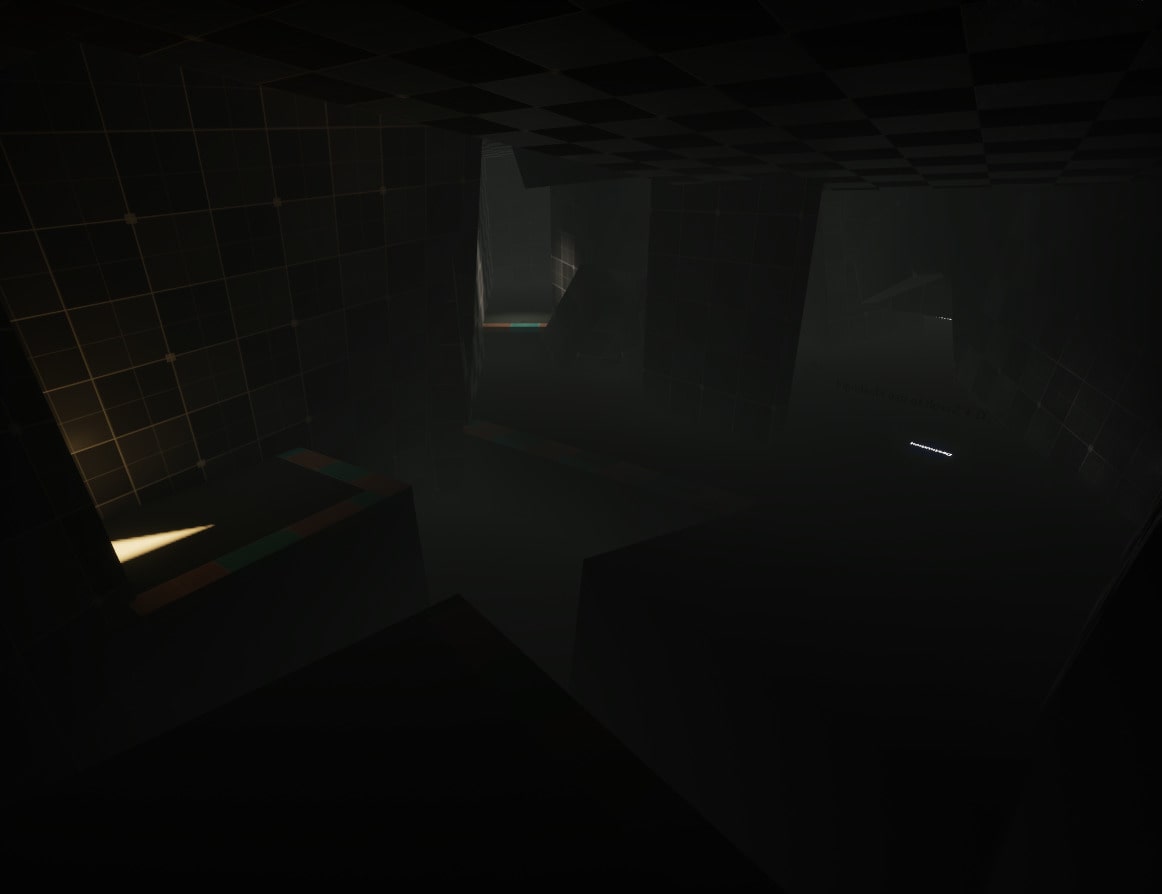
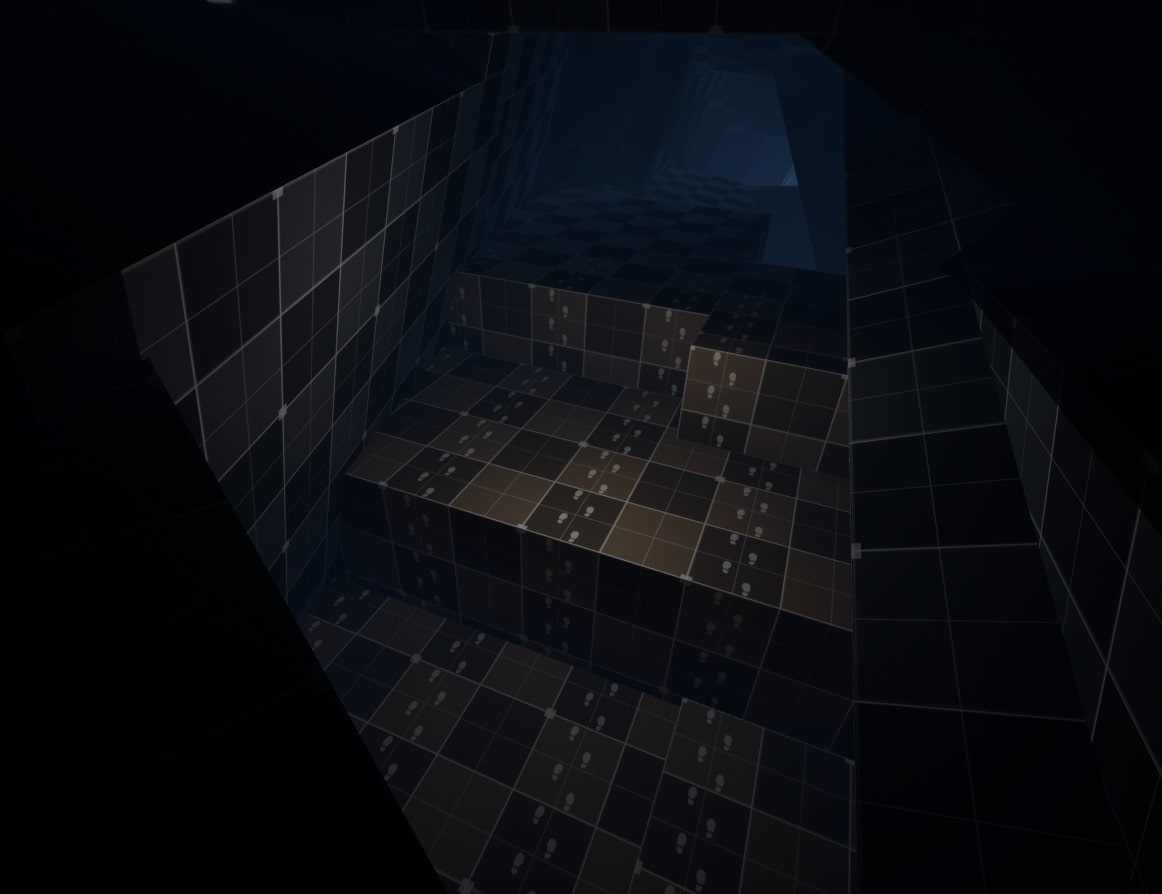
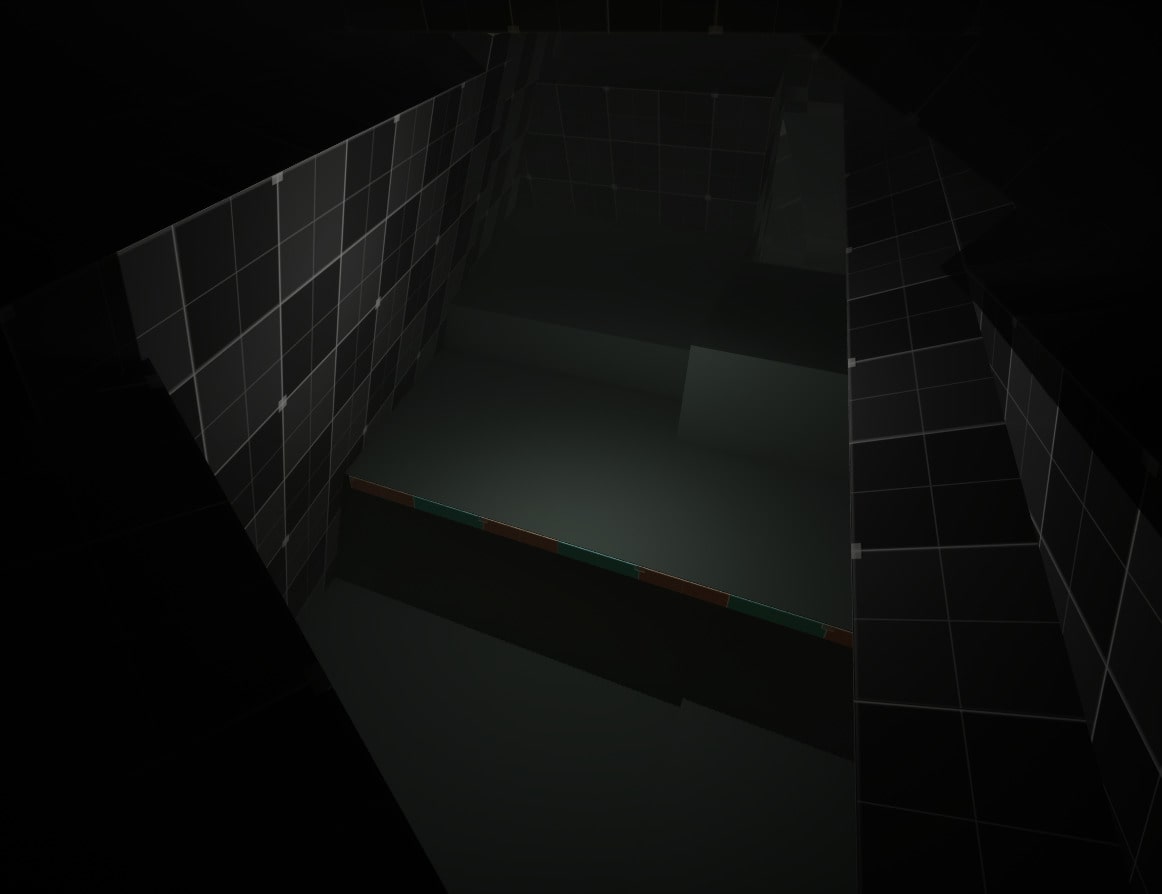
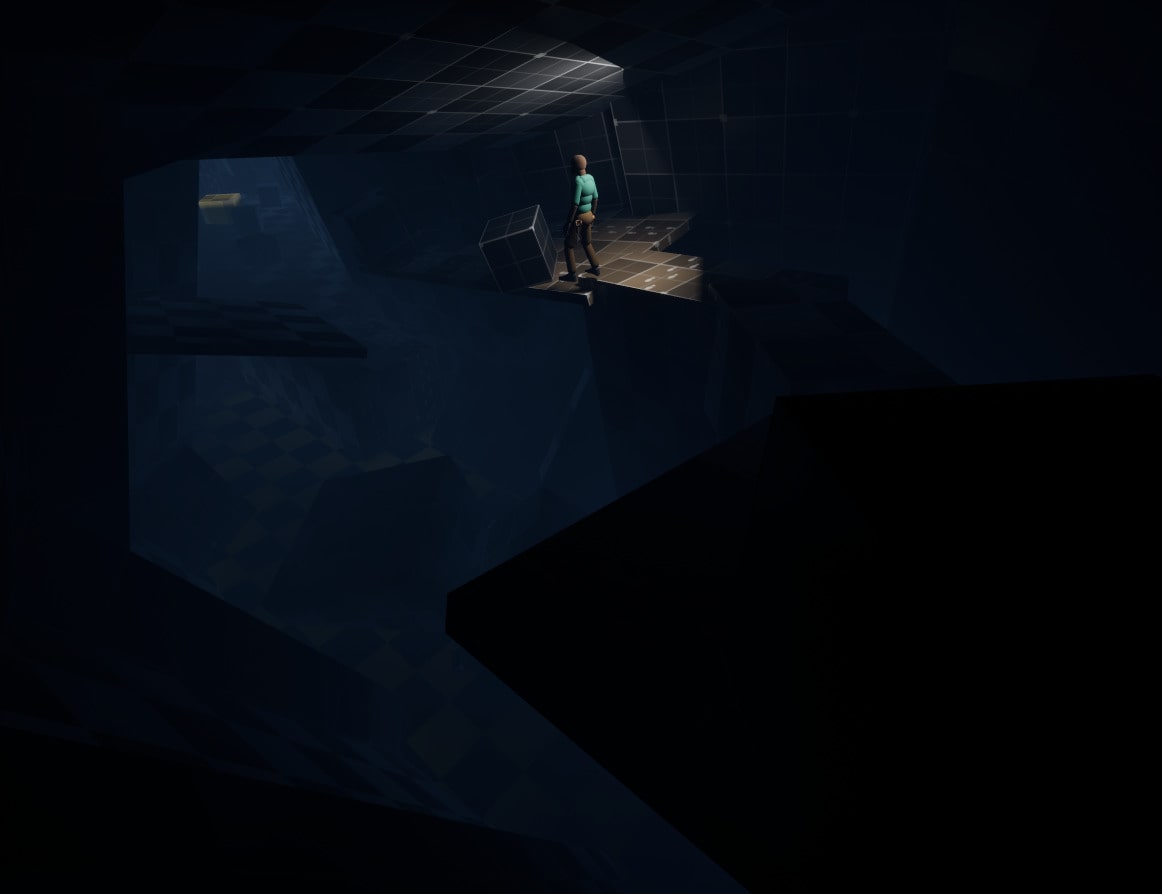
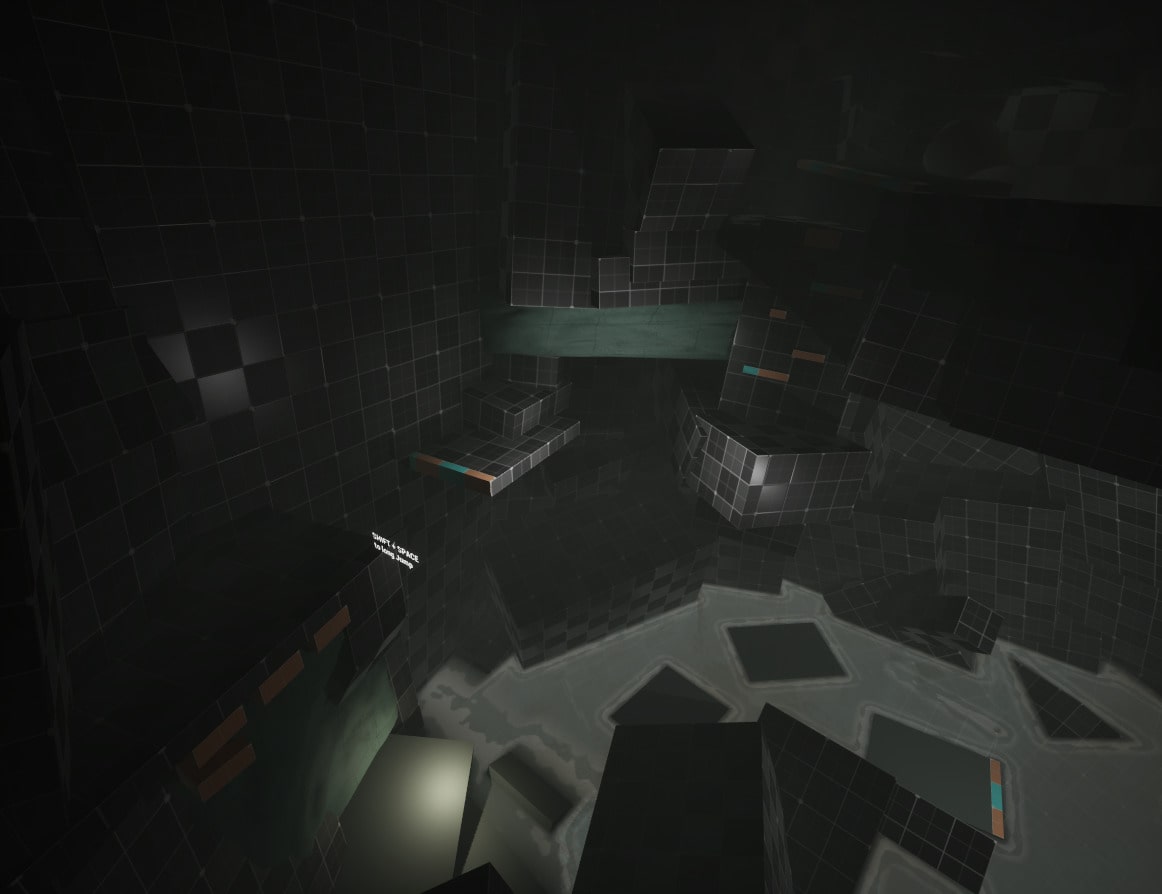
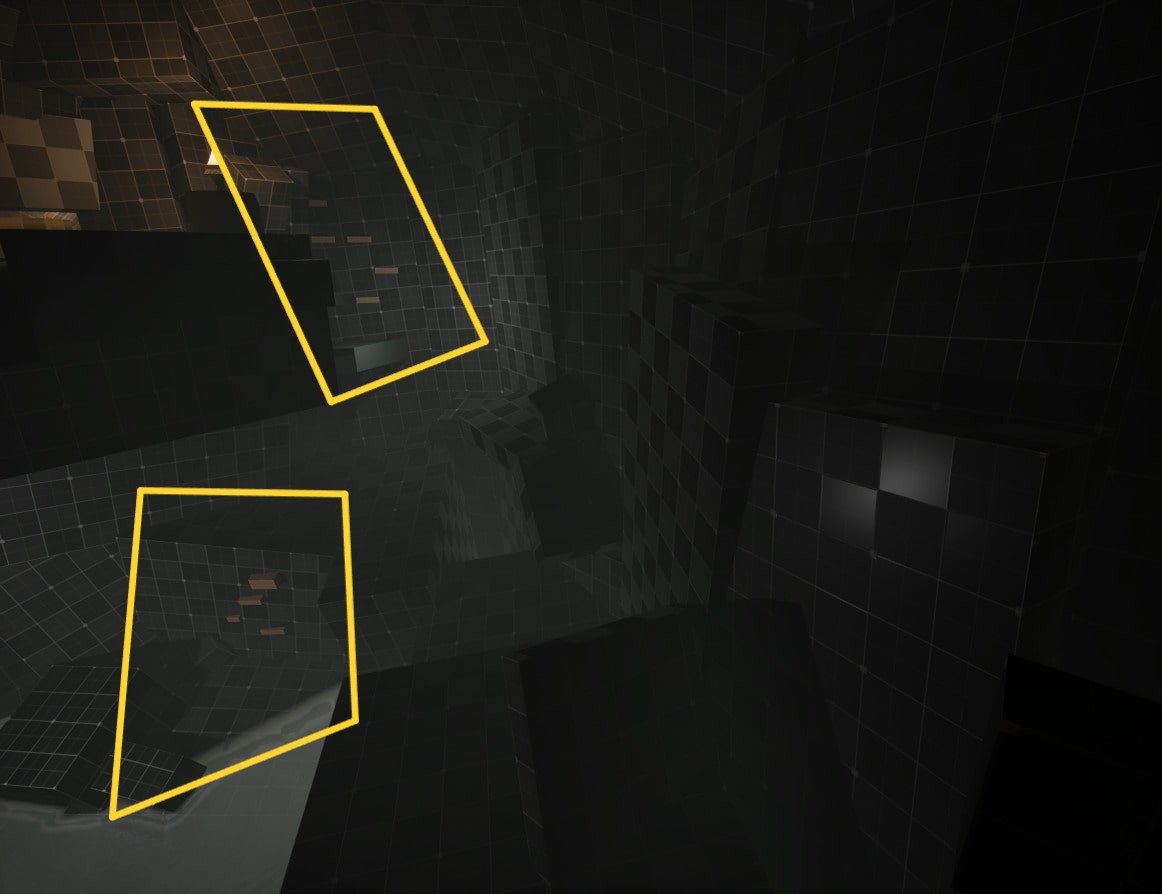
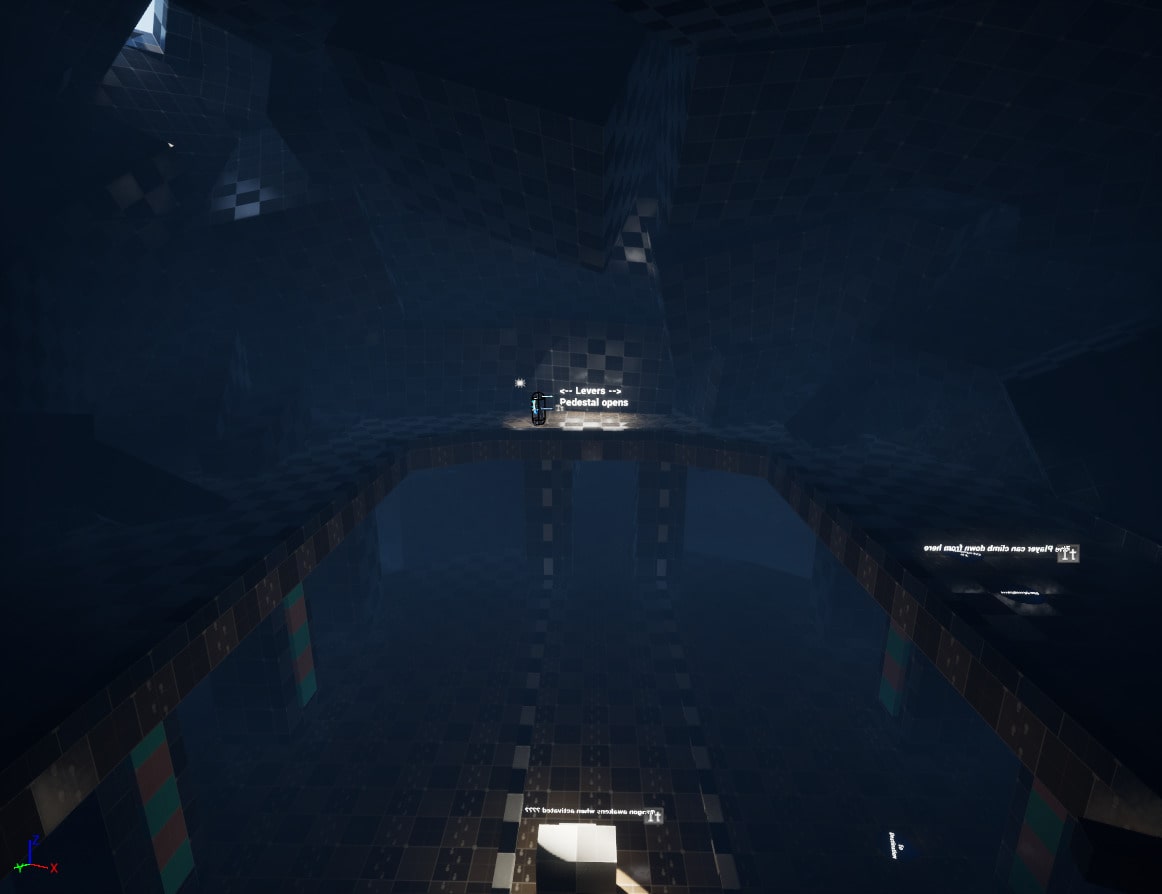
Vault of the Vanished
- Genre: 3D Action Adventure / PvE
- Type: Blockout
- Engine: Unreal Engine 5
- Tools: UE5 Blueprints, JakubW asset pack
- Iterations # 6
- Playtests # 4
- Role: Level designer
Table of Contents
Goal
Build a level blockout to sharpen level design and pre-production skills, and to practice iterating based on player feedback.
Focus:
Design a polished, Uncharted-style 3D action-adventure level with:
- Traversal challenges
- Light puzzle elements
Overview
In this Uncharted-inspired level, the player must steal an ancient artifact by:
- Navigating a mountain cave
- Overcoming hazards and puzzles
- Escaping the dragon
Setting:
After a perilous climb, the player enters an ancient village and discovers a tomb leading to a vast vault hiding a mysterious threat.
Constraints:
- Design a linear 3D action-adventure level (5-10mins playtime)
- Maintain organic player experience with subtle guidance
- Uphold player interactivity and level reactivity
Highlights
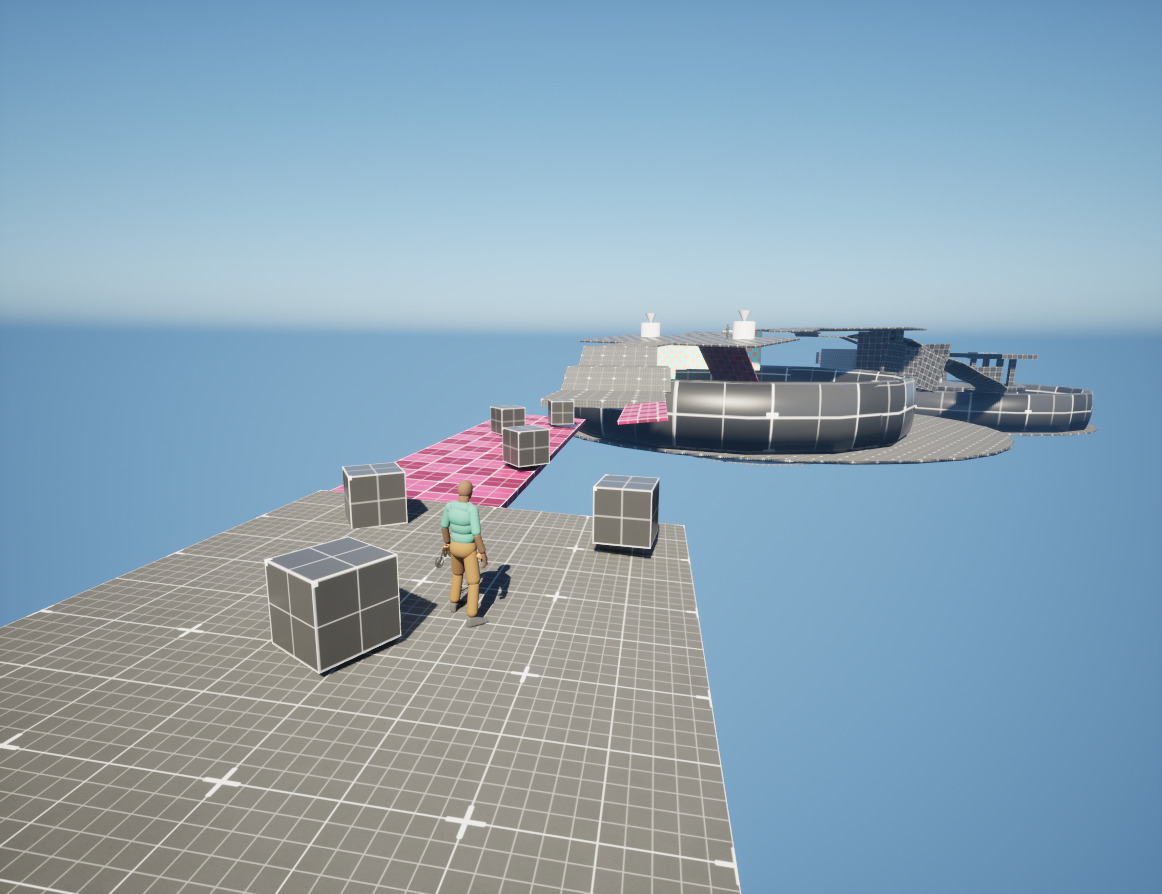
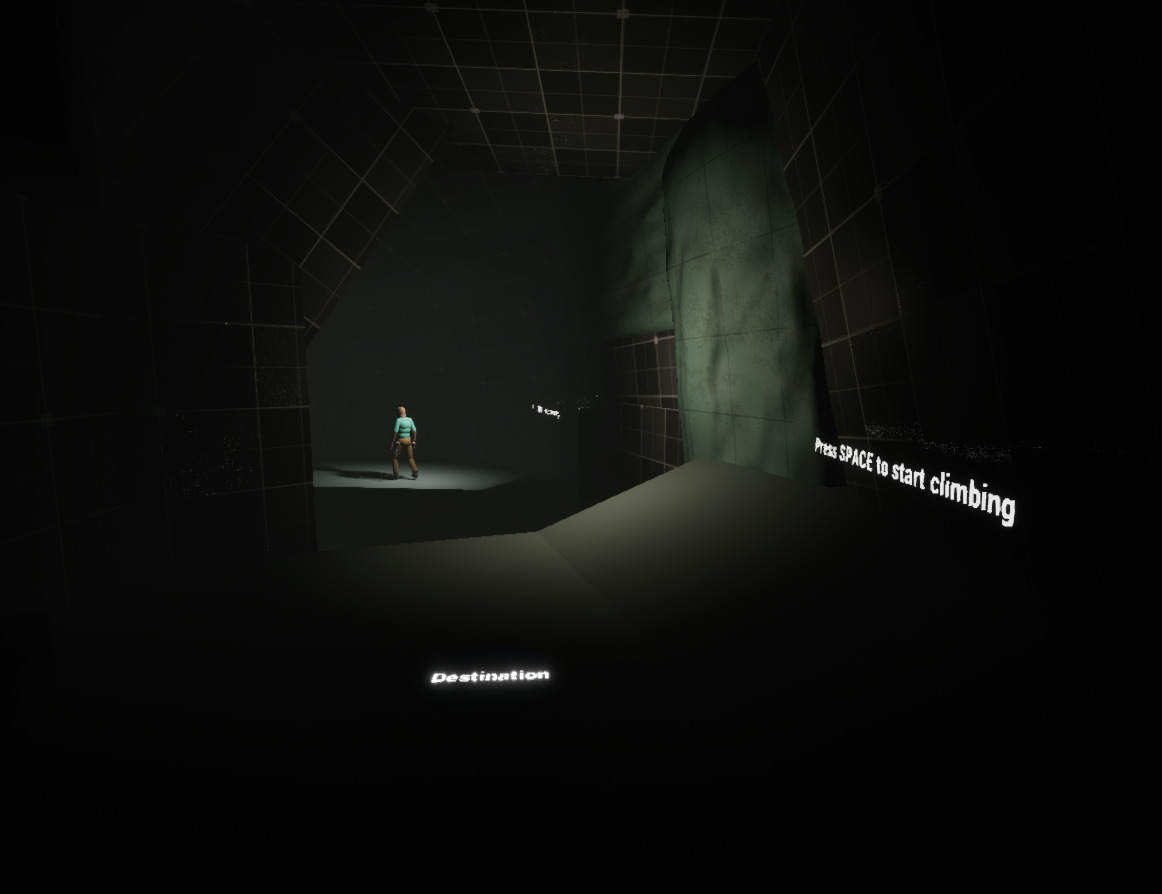
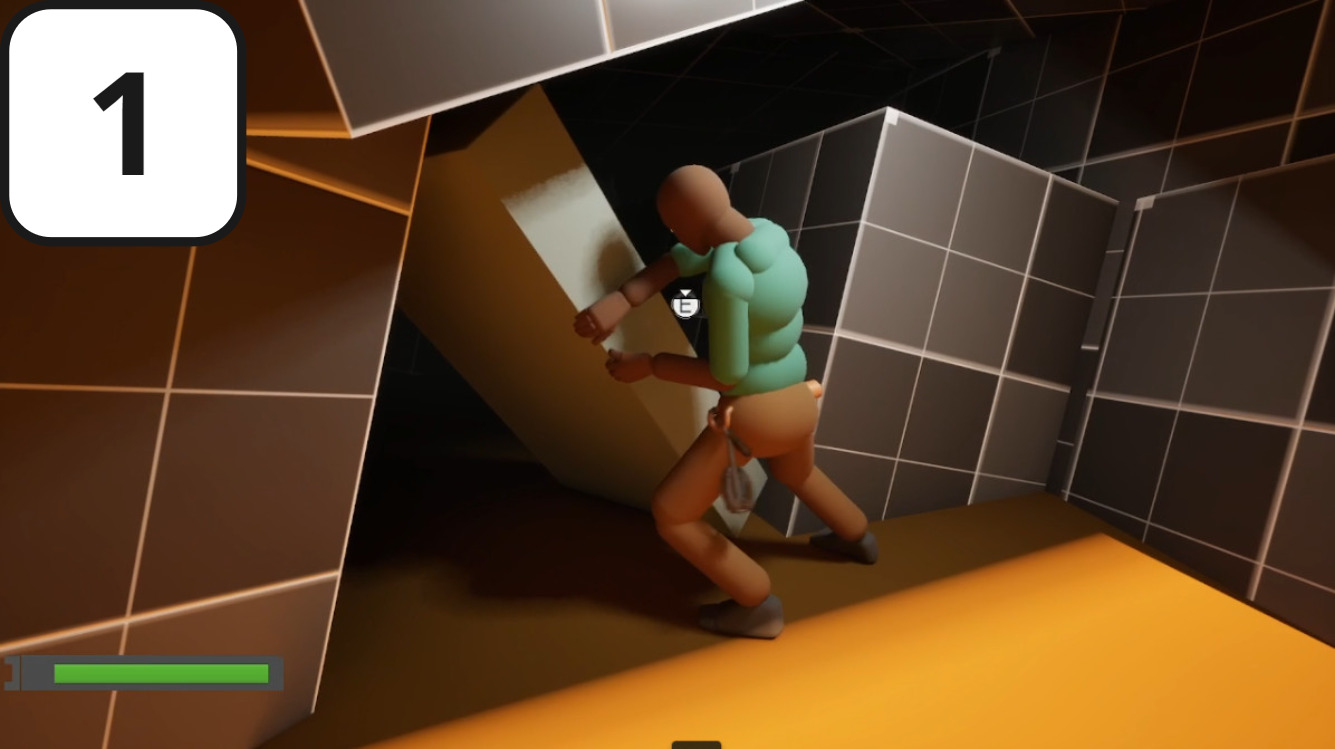
Entering the Tomb: Traversal & Introductory Area
The starting area introduces the player to:
- Traversal gameplay
- Object pushing mechanics


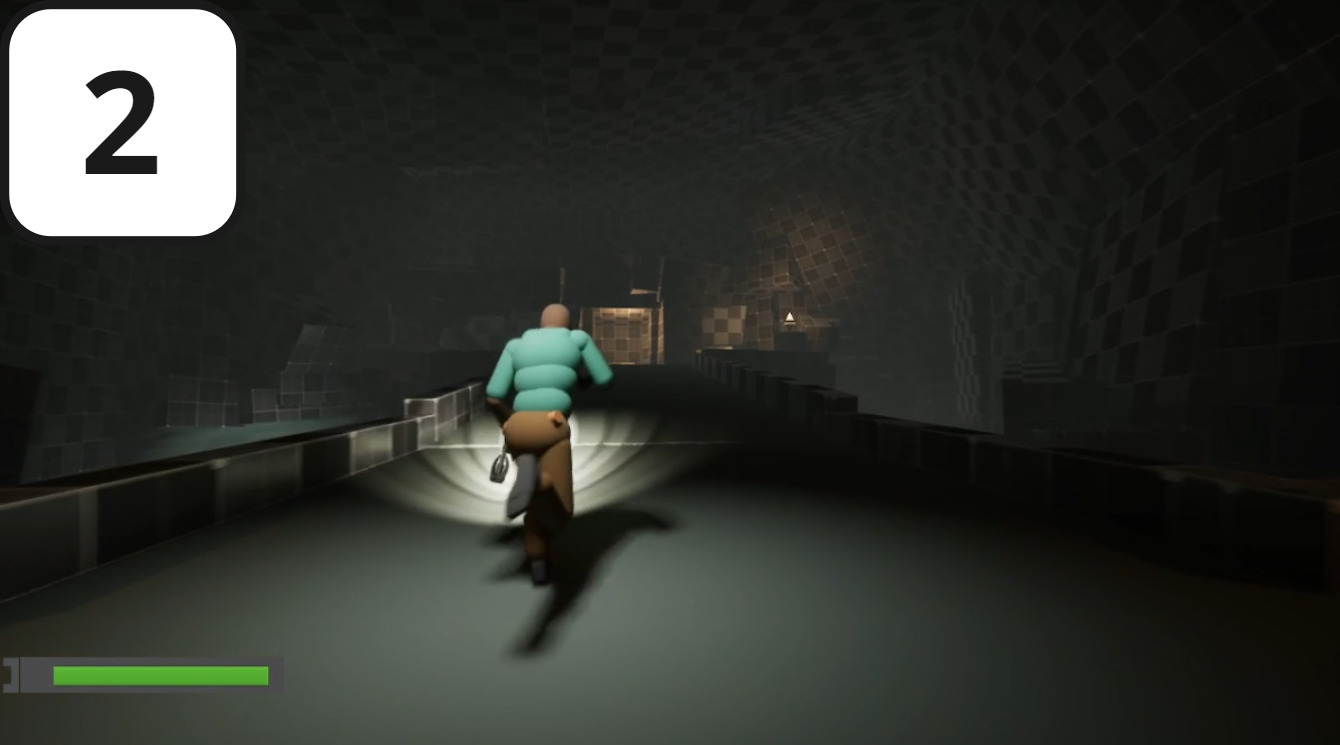
Bridge Collapse: Traversal & Narrative Area
The bridge collapses when the player walks on it to:
- Heighten player immersion
- Intensify level tension and urgency


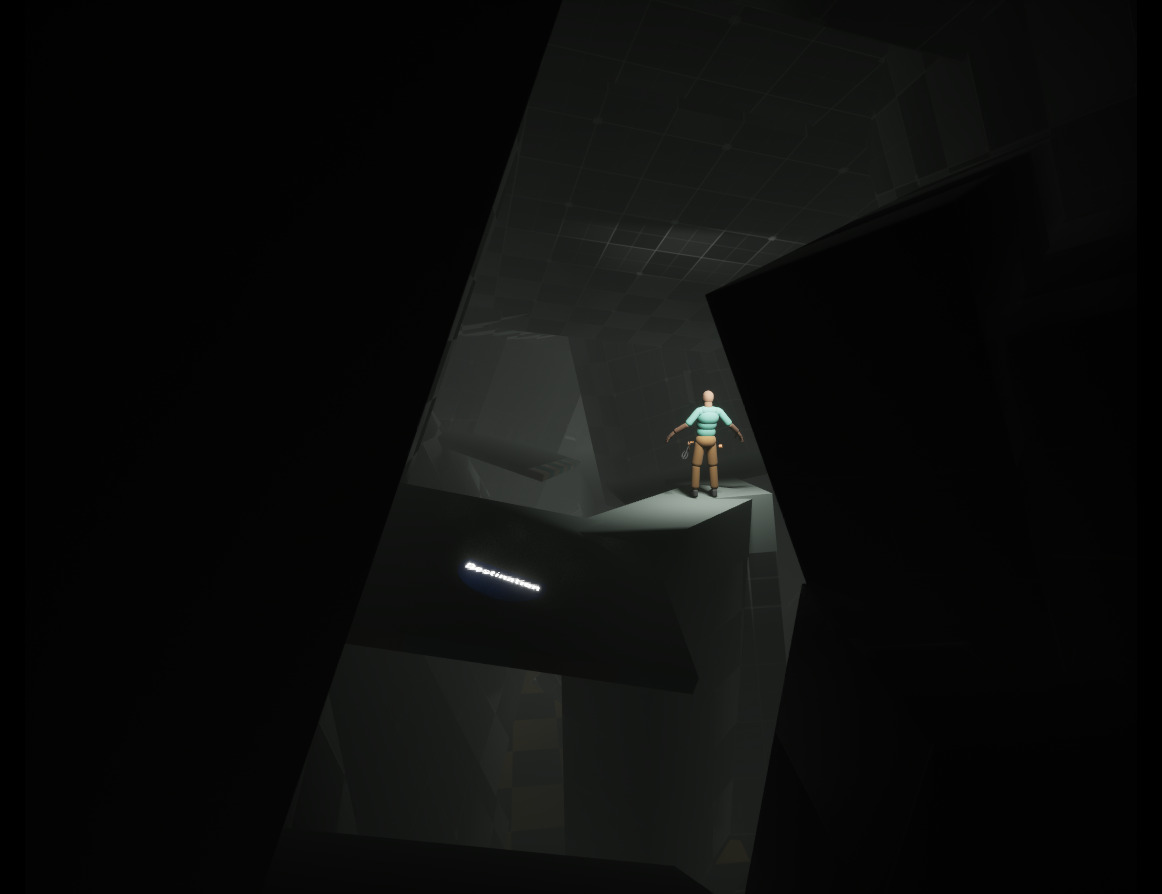
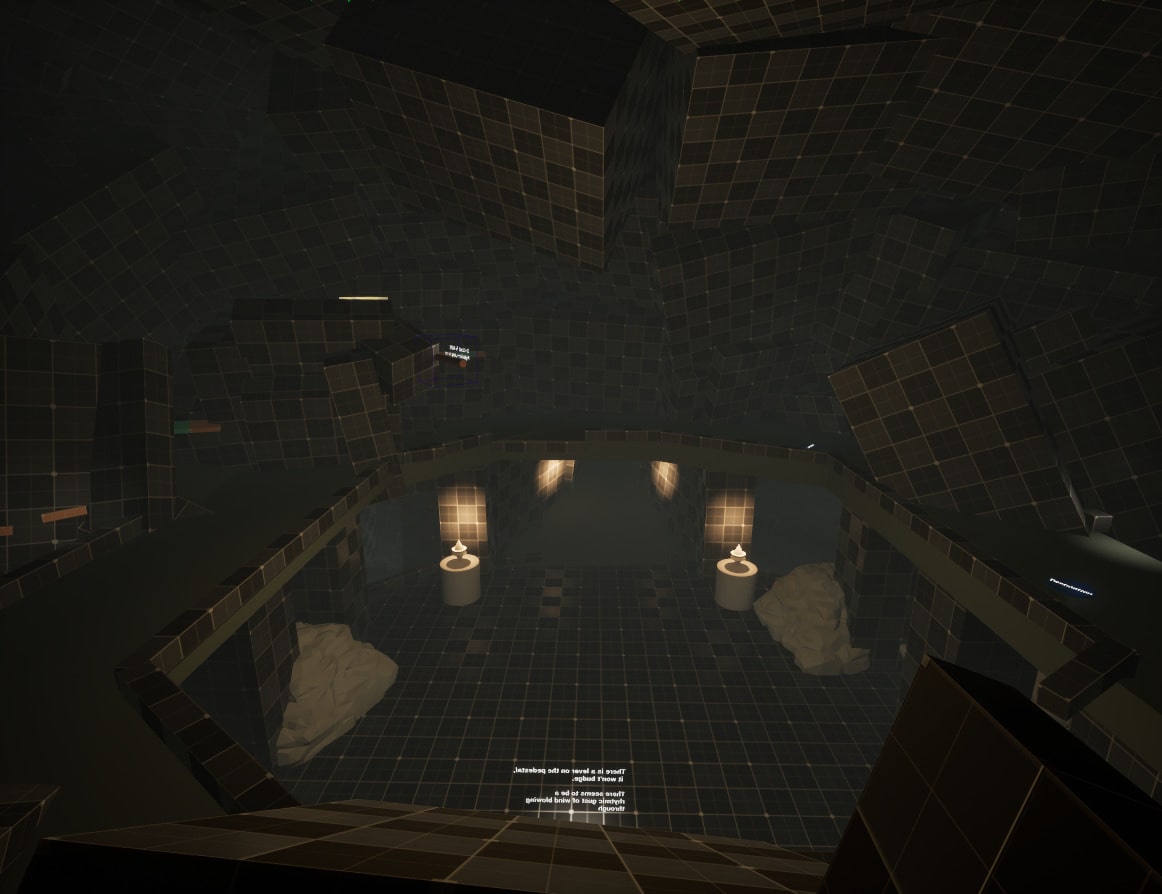
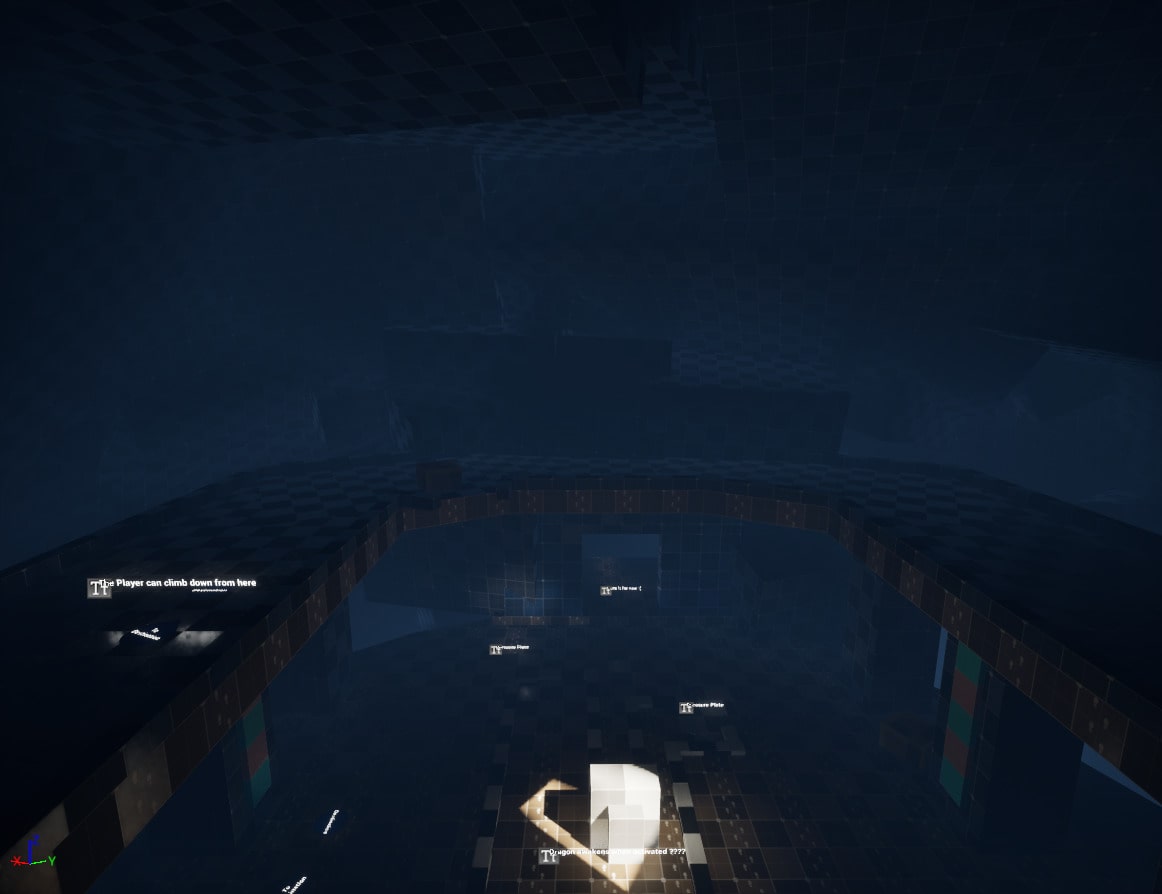
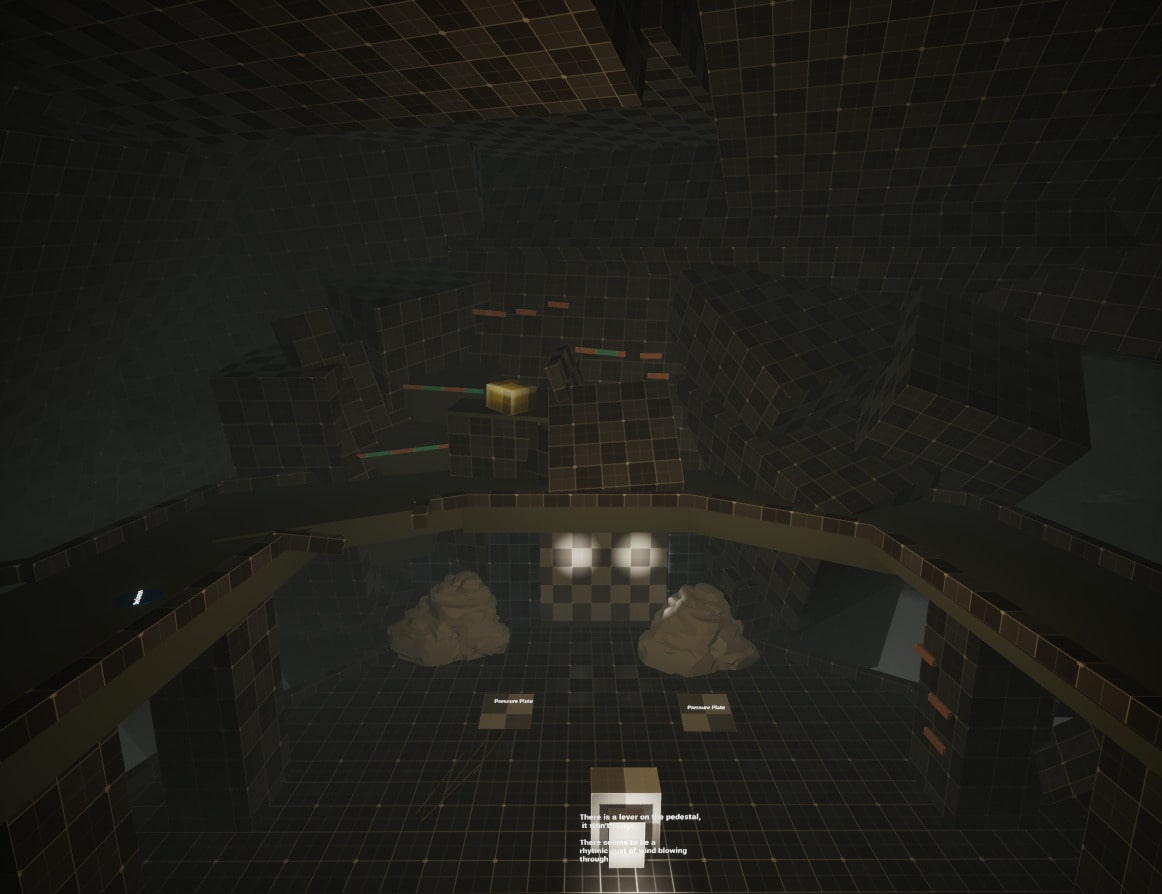
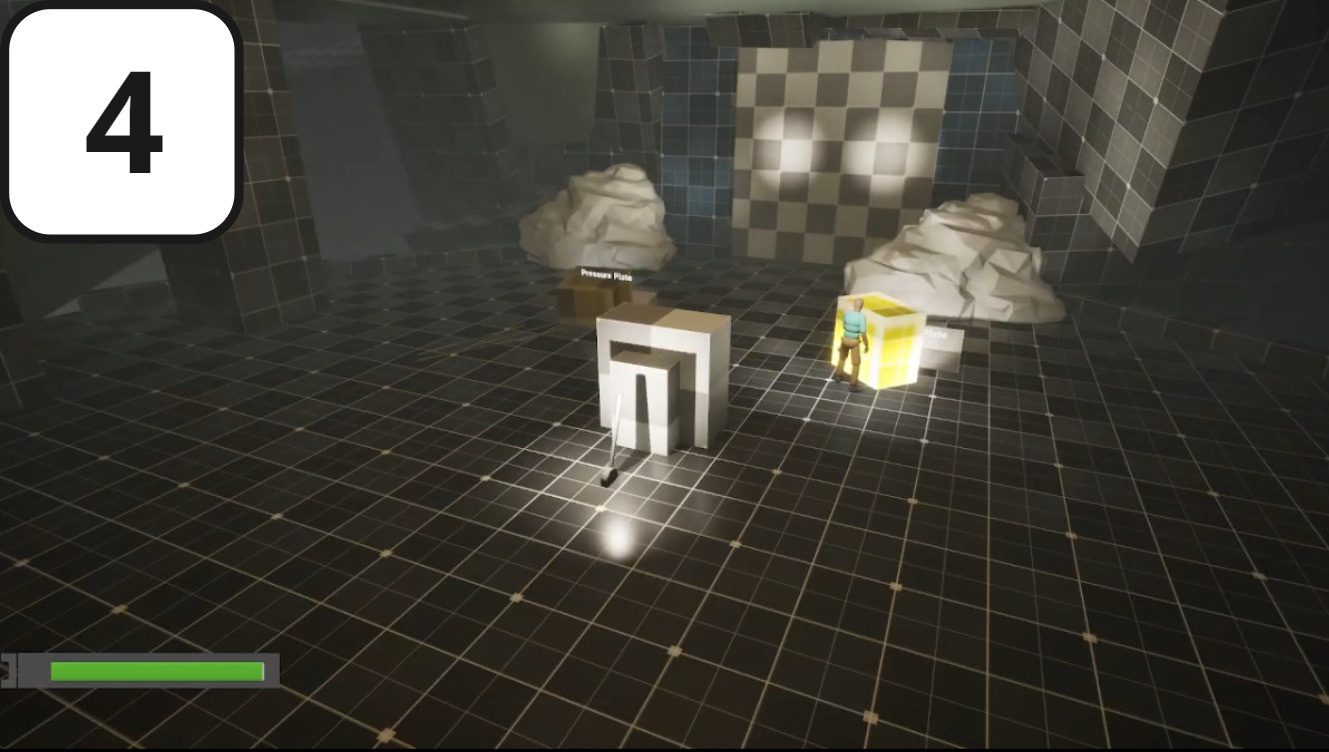
Artifact Room: Puzzle & Traversal Area
The puzzle room challenges the player to:
- Navigate using familiar mechanics
- Solve puzzles that test their skills
- Retrieve the artifact, rewarding their progress


Walkthrough
Gameplay video highlighting level beats:
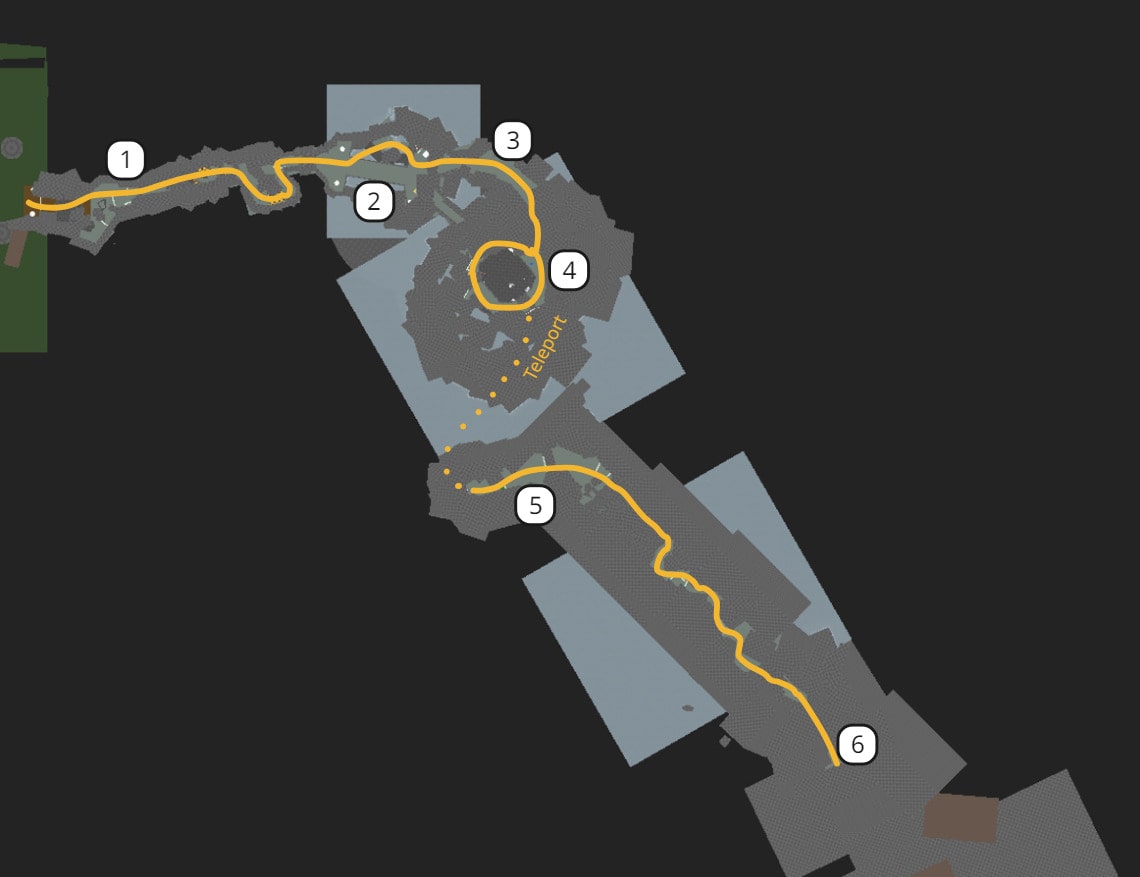
- Beat 1: Entrance (Traversal) 0:00
- Beat 2: Bridge (Traversal + Puzzle) 2:13
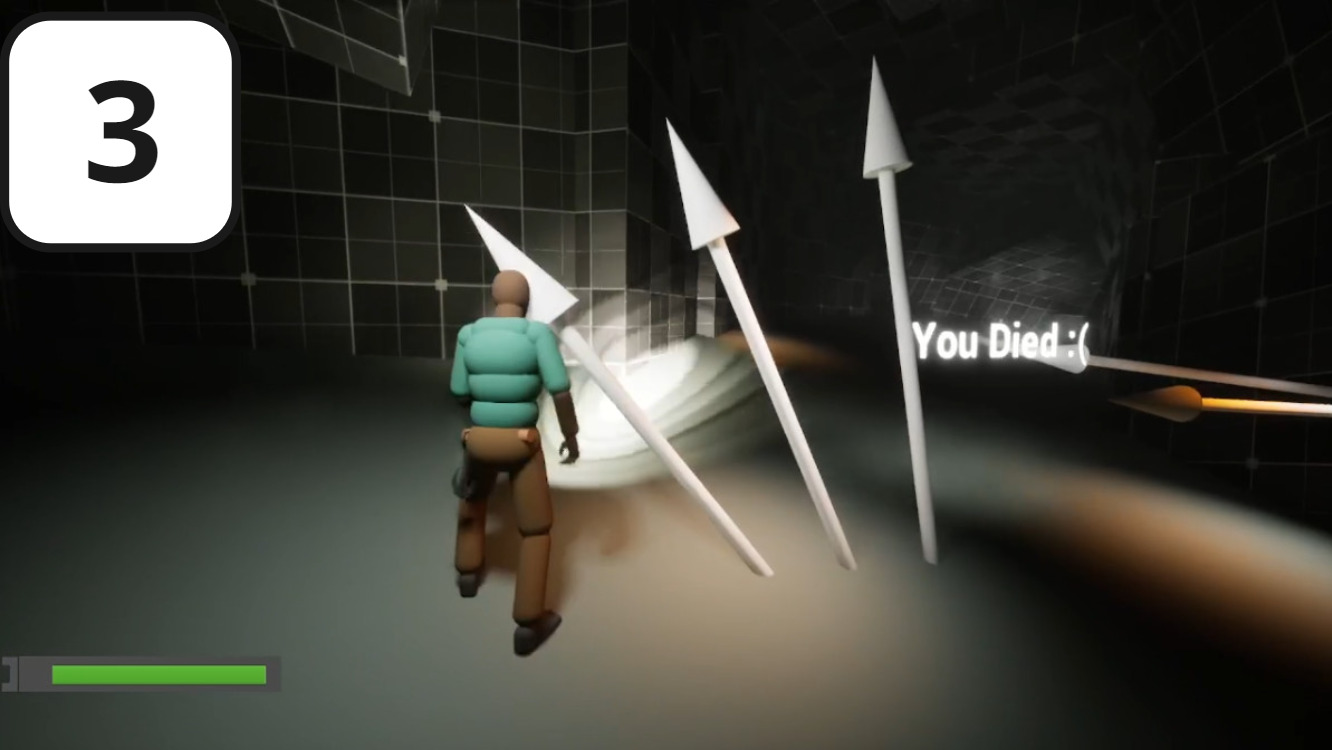
- Beat 3: Spikes (Hazard) 5:00
- Beat 4: Artifact (Puzzle + Narrative + Traversal) 5:37
- Beat 5: Chase (Traversal + Hazard) 8:41
- Beat 6: Escape (Narrative) 9:52
Process
❗This is a full step-by-step breakdown of my raw process when building this level.❗
1: Research, ideation and planning
I start with a full preproduction process where the level is planned, and research is done.
- Research the video game inspiration; Uncharted 2
- Research other media; The Hobbit, Indiana Jones
- Concept level overview with theme, setting, and narrative.
- Choose gameplay mechanics
- Research for real world references
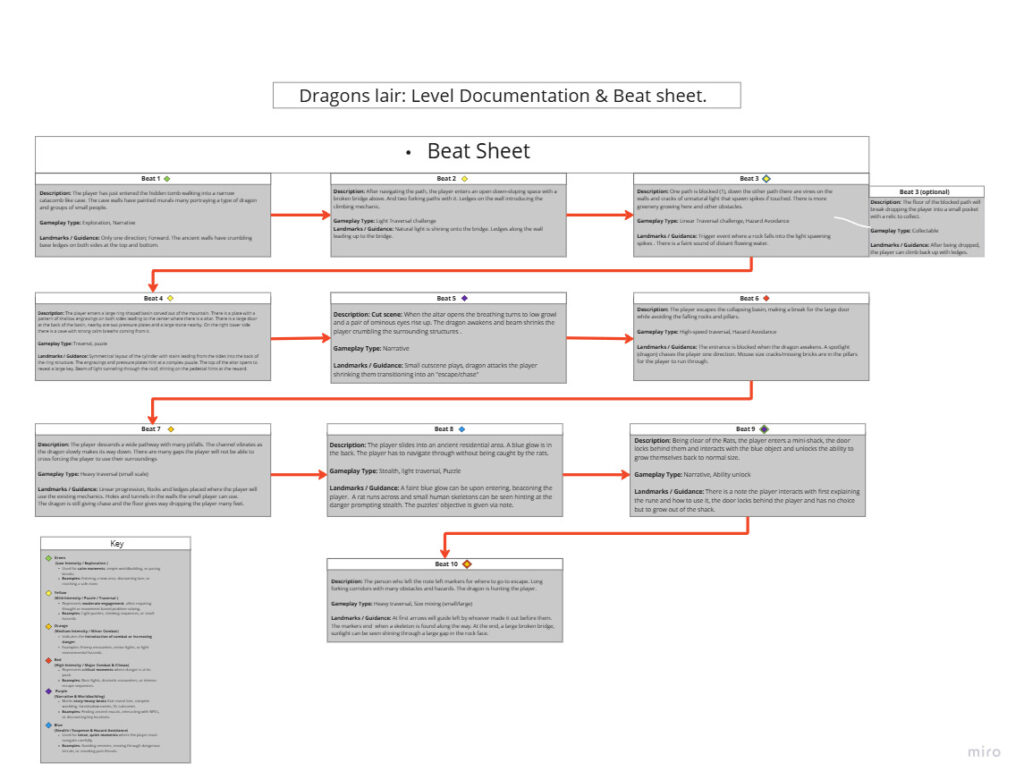
2: Mapped out beats
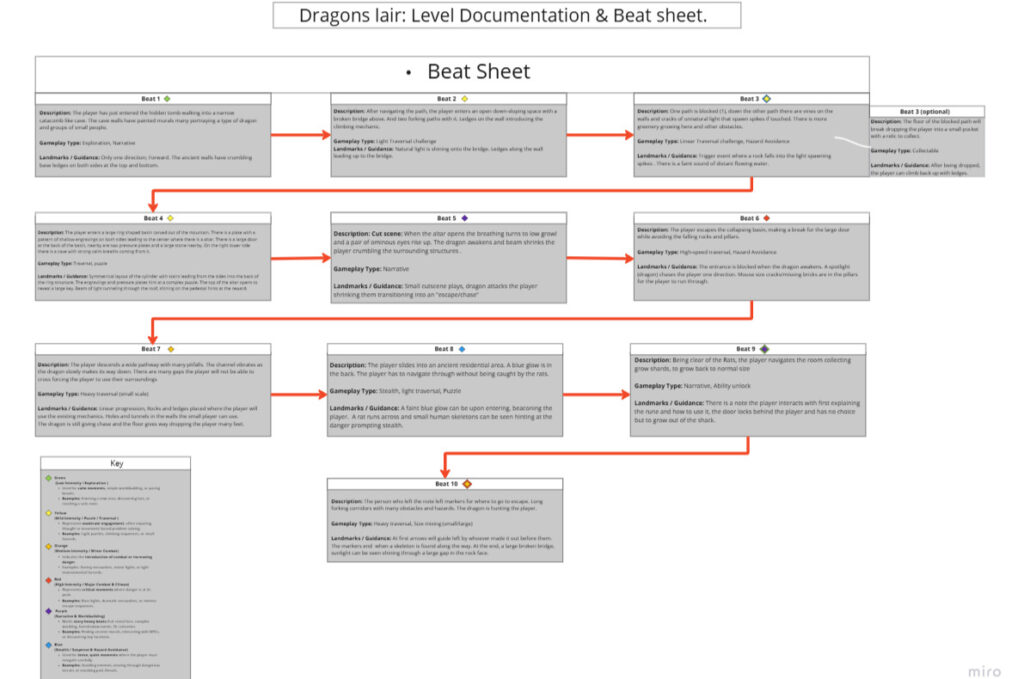
I created a beat sheet which changed upon receiving feedback on the flow of the level within my constraints.
Here is the first version:
- Player arrives at the mountain caves entrance.
- Player approaches the ancient bridge and solves the crossroads.
- Player proceeds through a narrow passage with light triggered spikes.
- Player arrives in the artifact room.
- Player wakes the dragon by claiming the artifact, dragon shrinks the player.
- Player escapes artifact room.
- Player traverses cave very small.
- Player (small) avoids rat enemies and collects growth gems.
- Player grows to normal size.
- Player is chased out of the cave by the dragon.
Received feedback from:
- Gracie Sanabria – Colleague
- Eric Bey – Colleague
- Daniel Conde – Colleague
Feedback:
- Great concern for over scoping (gameplay/mechanics)
- The level may be too long in length
Update:
- Cut ambitious gameplay mechanics.
- Reduces level playtime to adhere within constraints.
The updated beat sheet allows me to focus on existing early mechanics and intuitively build on them.
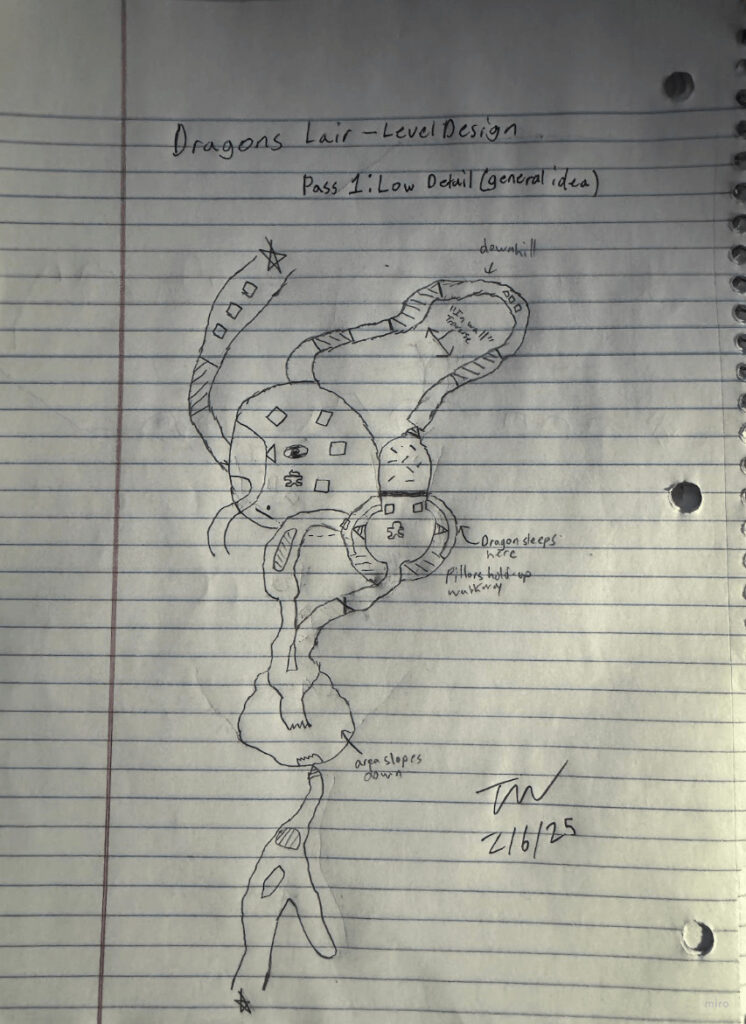
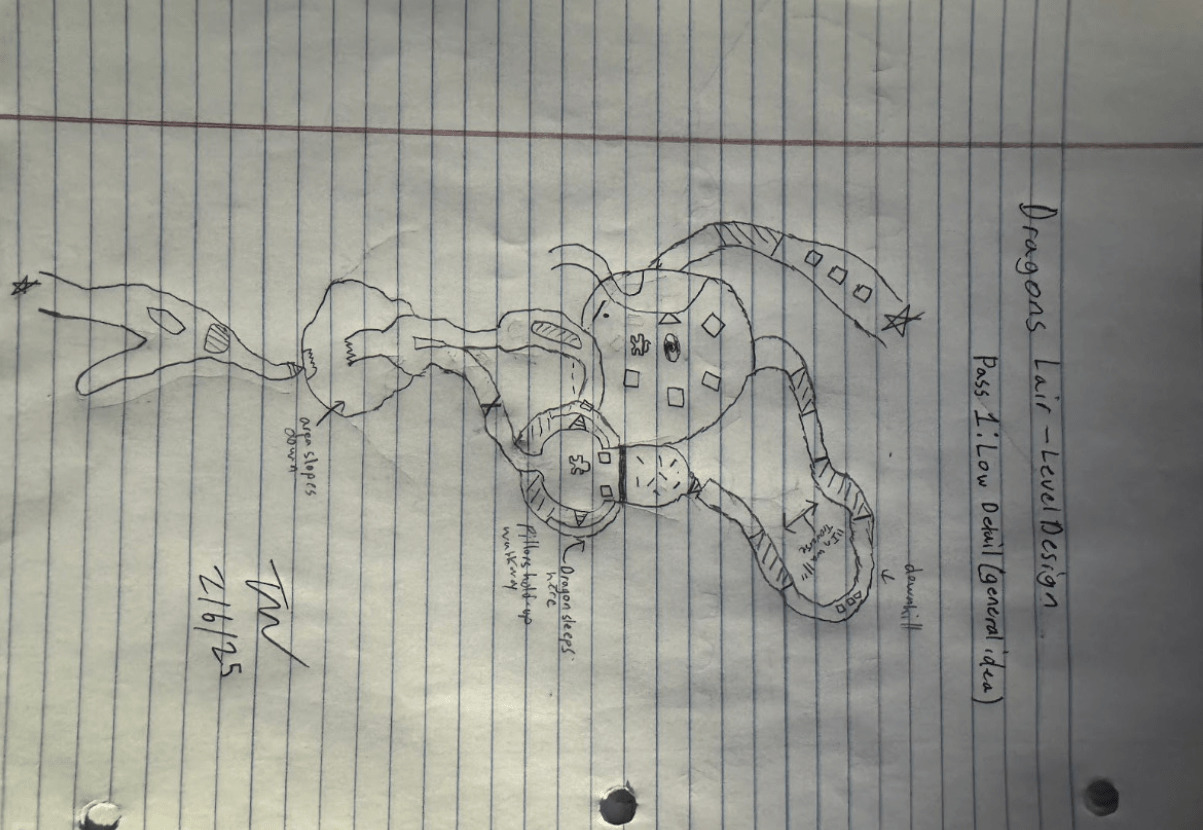
3: 2D Map
Using a simple paper sketch and beat map, I prototyped a 2D layout to:
Clarify level flow and structure
Refine pacing and key player moments
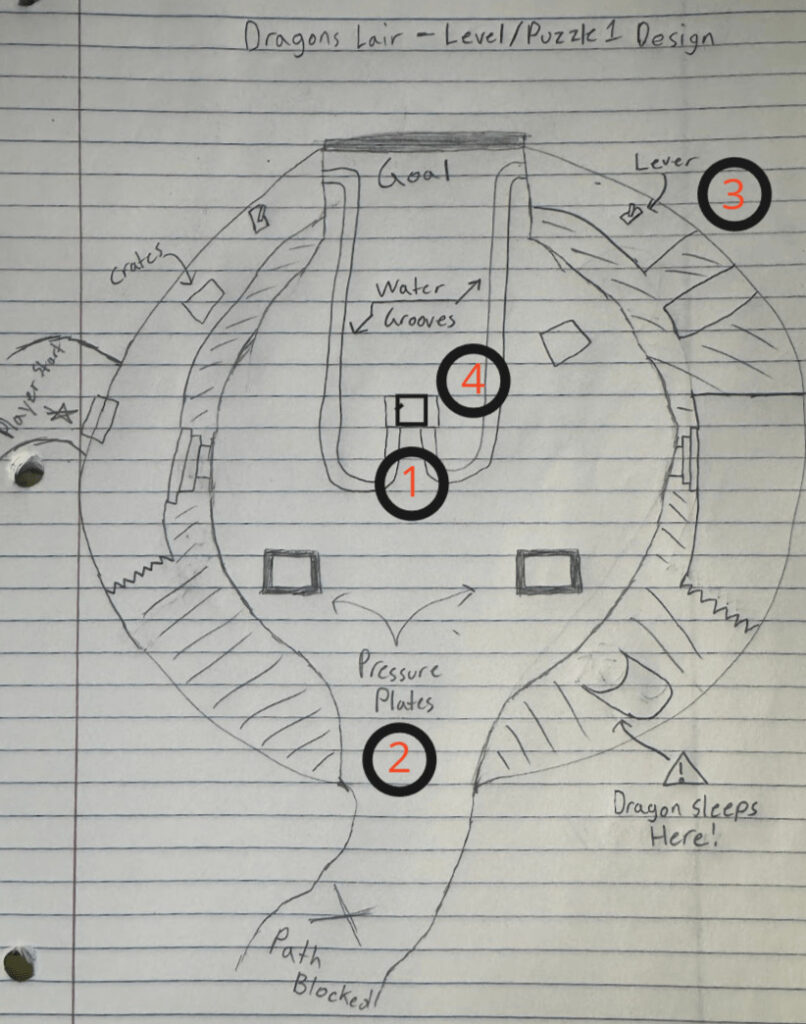
I created detailed sketches of key areas, like the puzzle room, to:
Design the layout around the player’s goal
Map out puzzle steps by working backward from the objective
4: Document the details (via LDD)
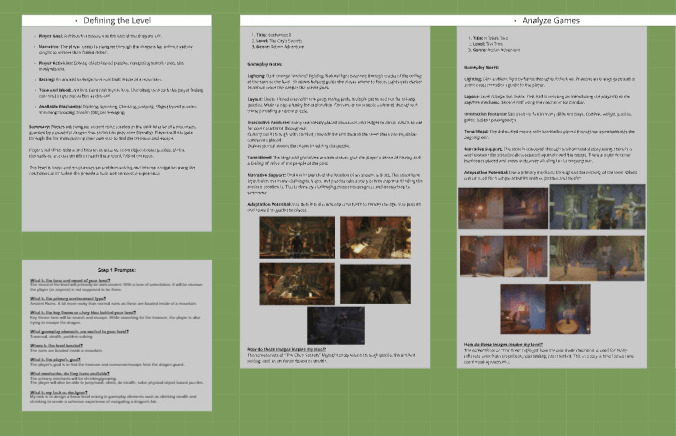
I created a level design document to record my decisions I made during preproduction.
The document includes the following:
- Project Overview
- Level Objectives
- Design Principals
- Level Beats
- Level Layout and Structure
5: Create first rough layout
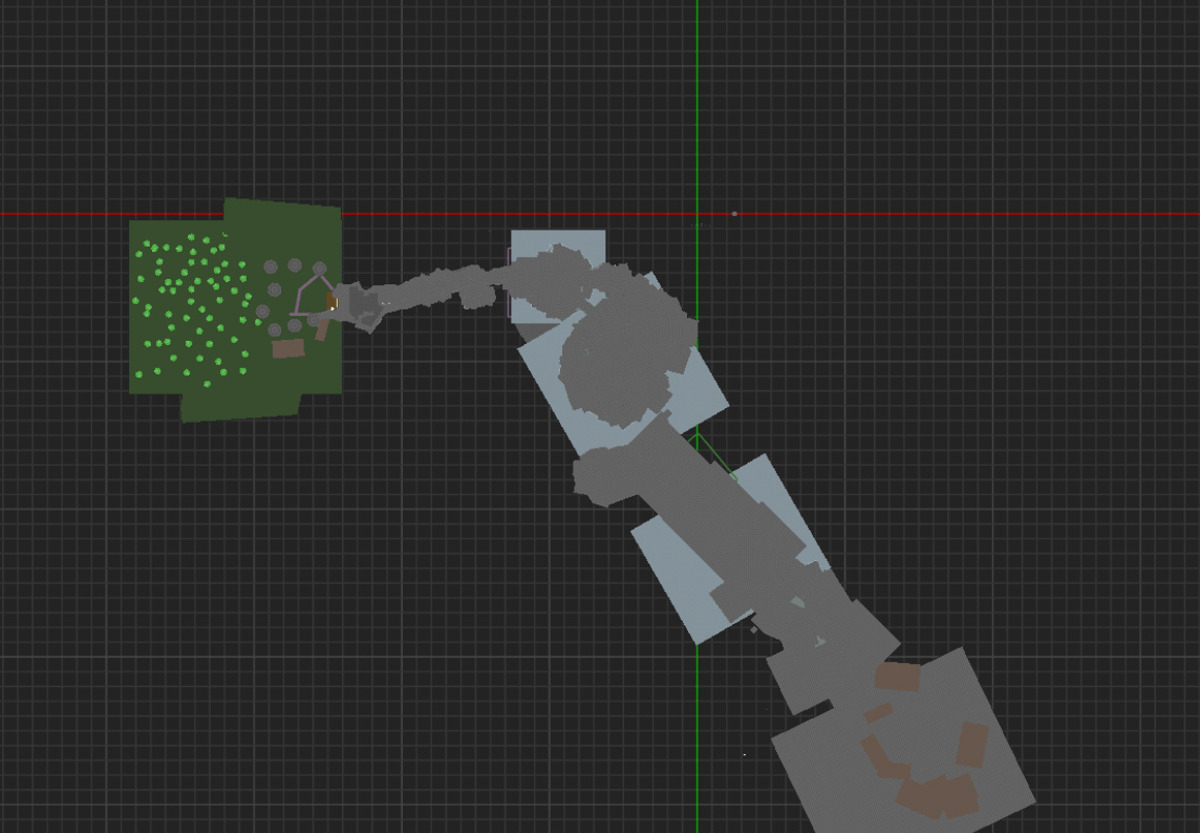
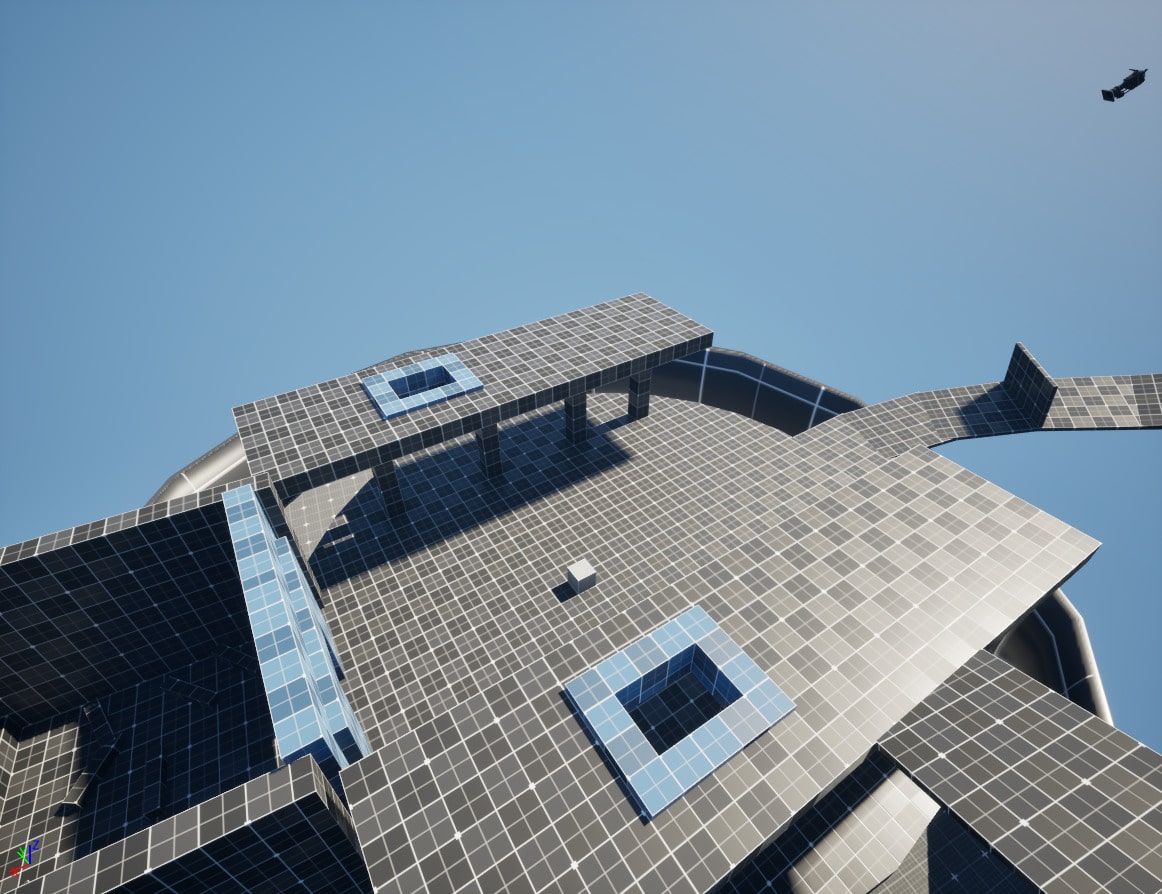
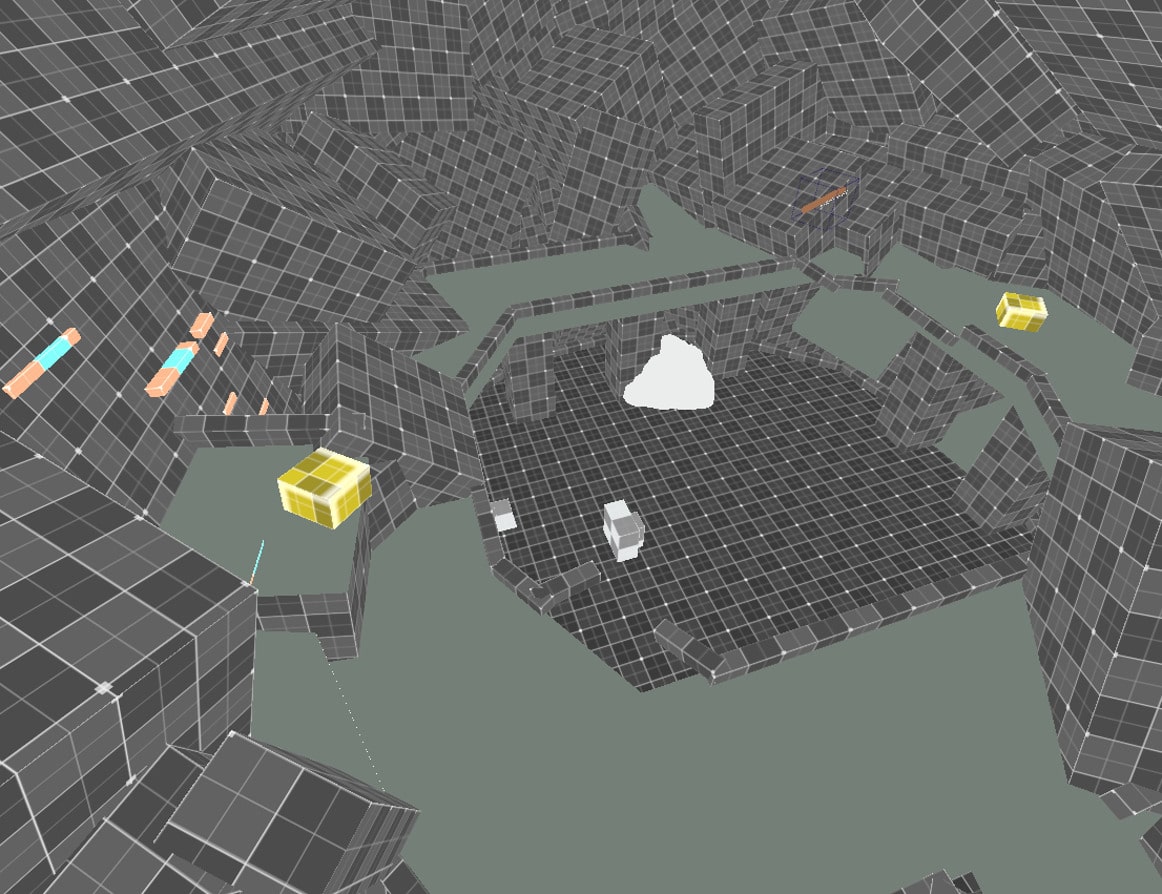
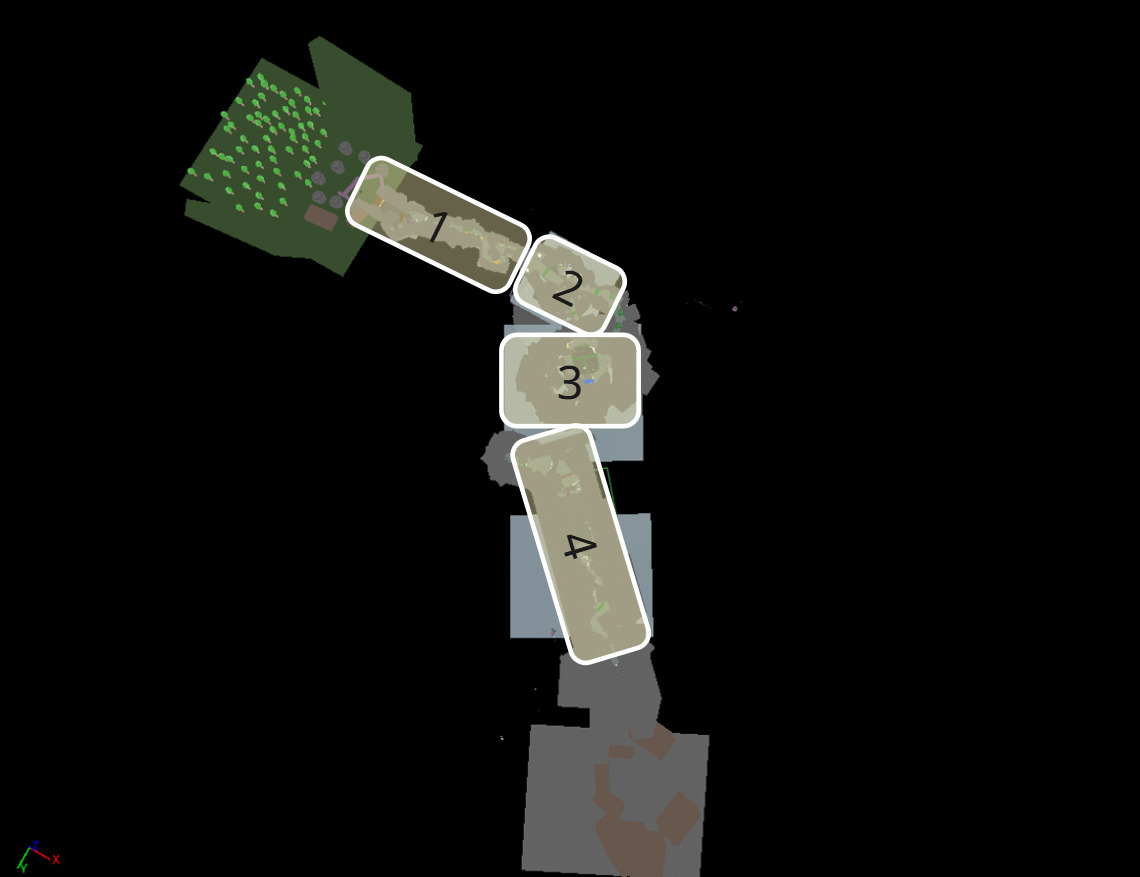
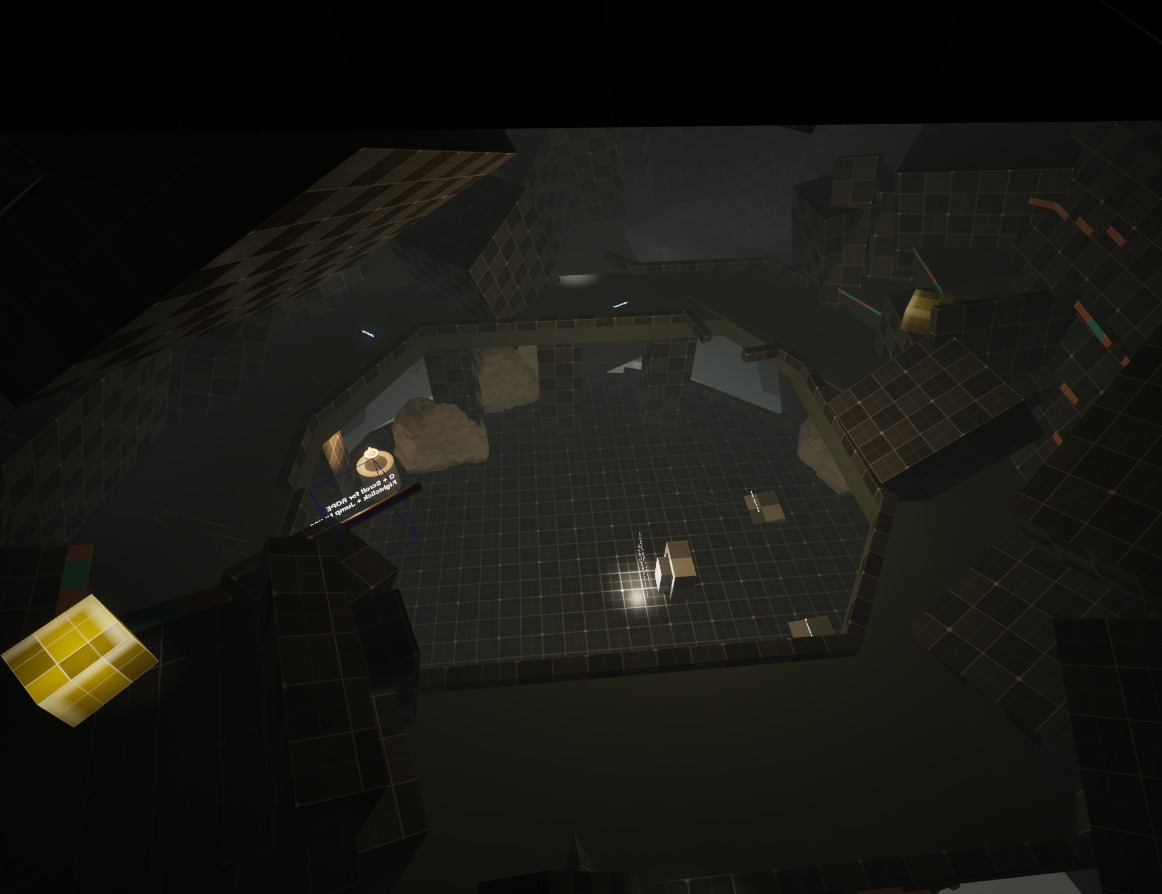
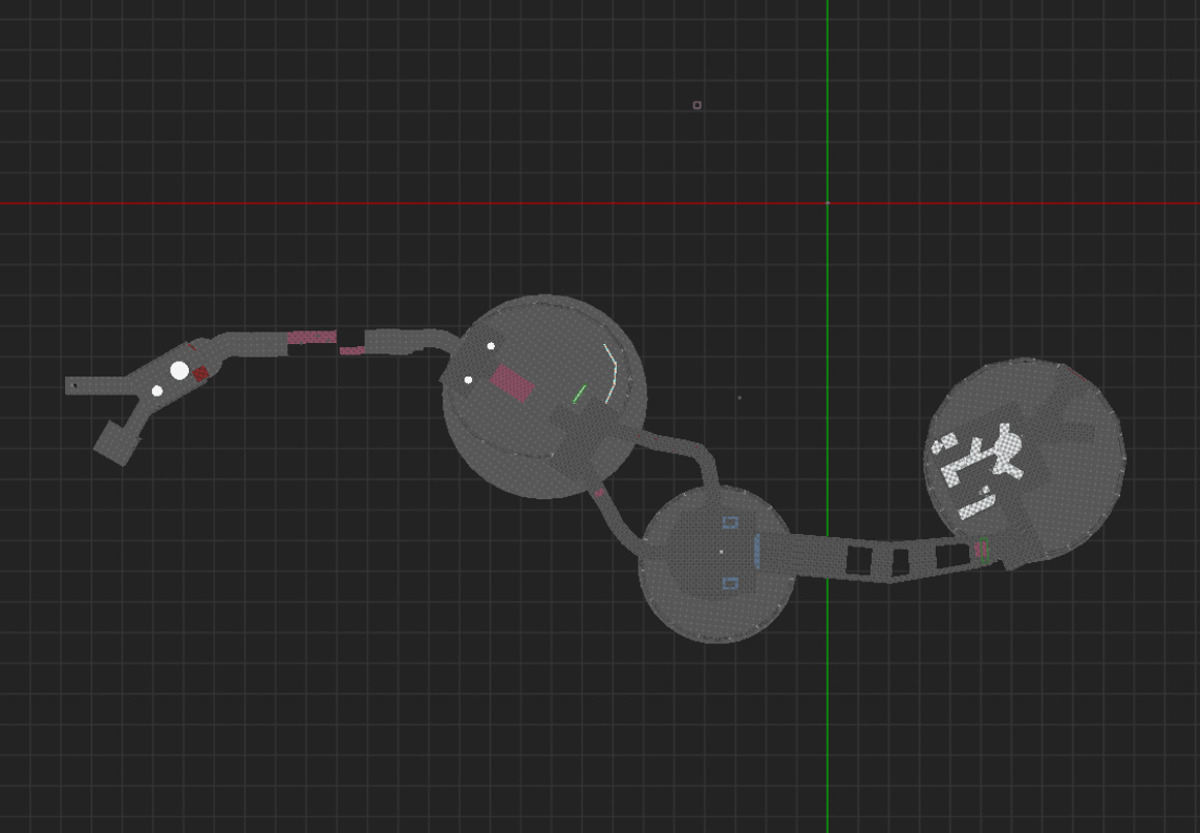
After preproduction, I start in Unreal Engine with the first step of the linear blockout to lay the groundwork translating my 2D map into the engine.
- Quick and rough technique to overcome blank canvas at the start.
- Helped roughly inform the walking length of the level
- No walls/ceilings to keep simplicity
- Pathed at desired length but not scale.
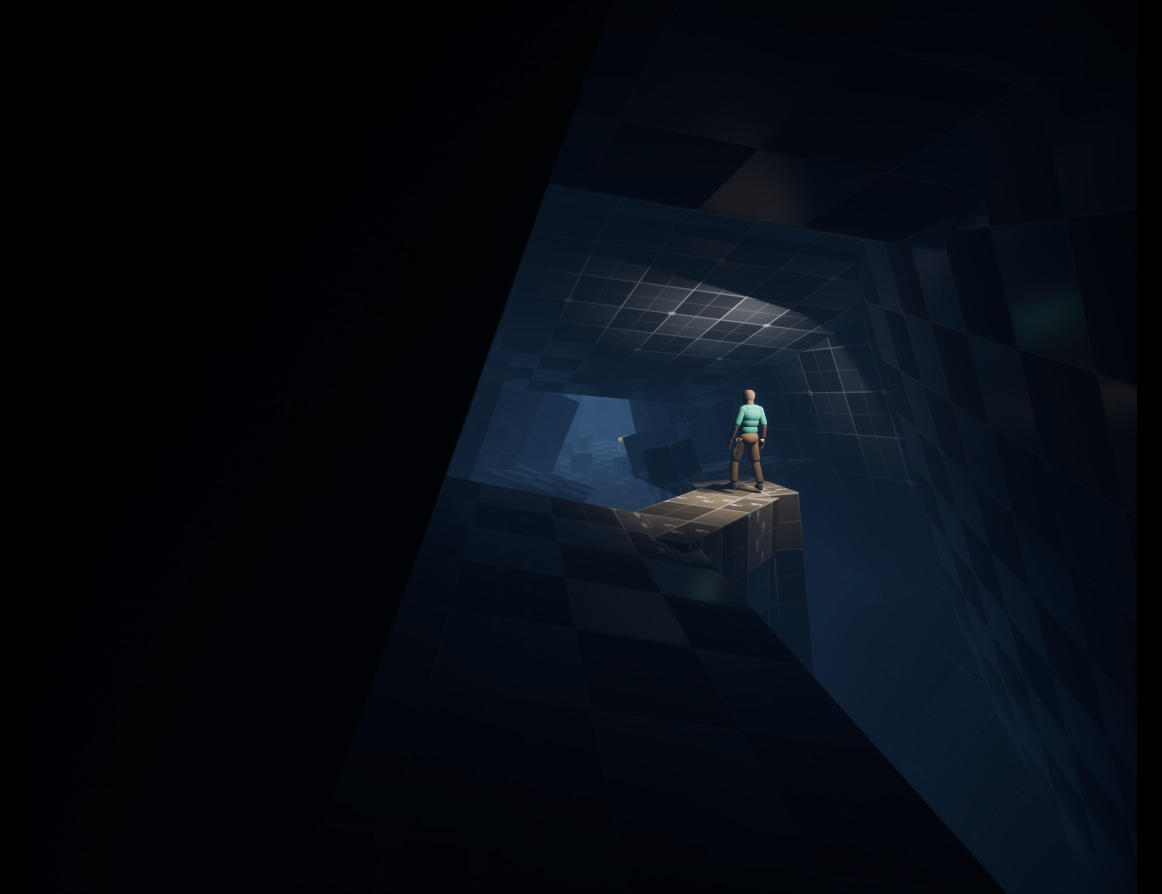
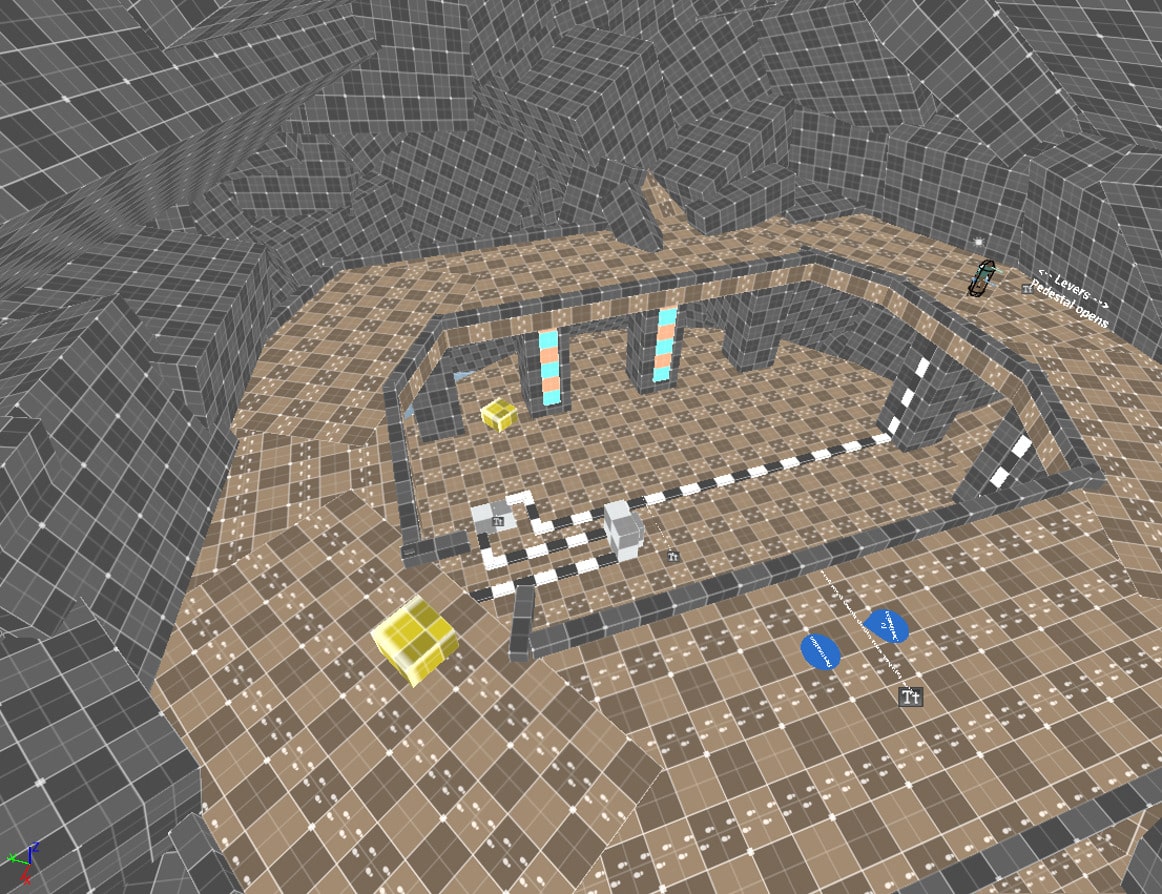
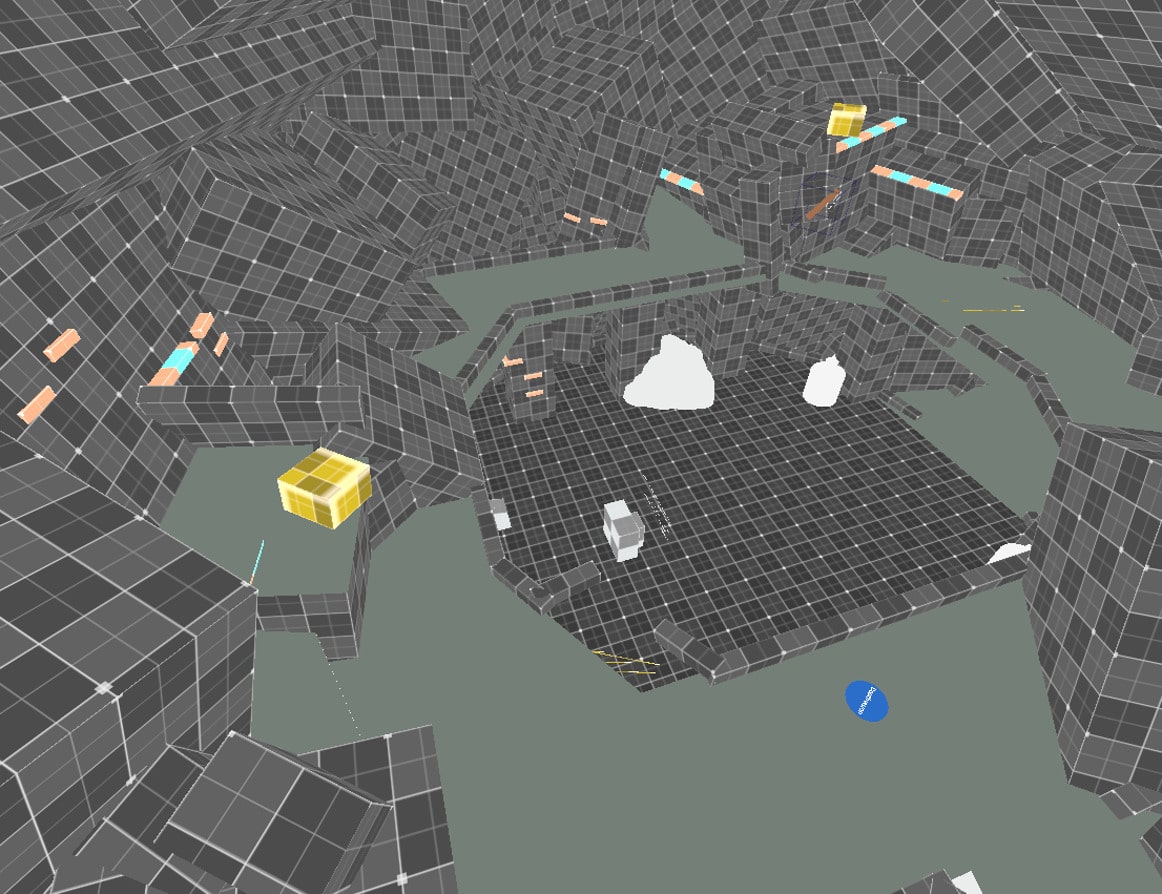
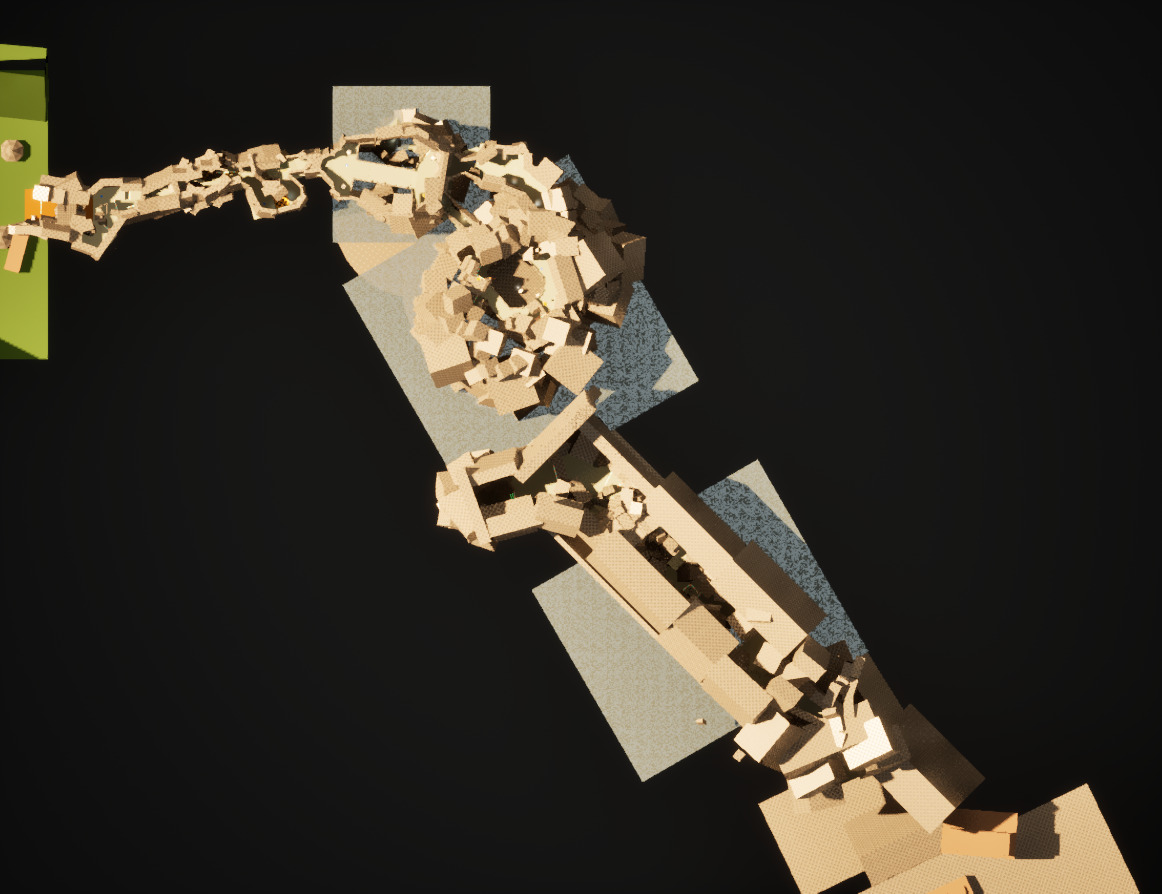
Next, I begin a gameplay layout pass keeping my design principals in mind.
- Implemented first pass of basic gameplay spaces.
- Added walls and ceilings to understand the cave setting.
- Used TP pads for advanced gameplay spaces.
6: Create first rough layout
Next, I begin a gameplay layout pass keeping my design principals in mind.
- Implemented first pass of basic gameplay spaces.
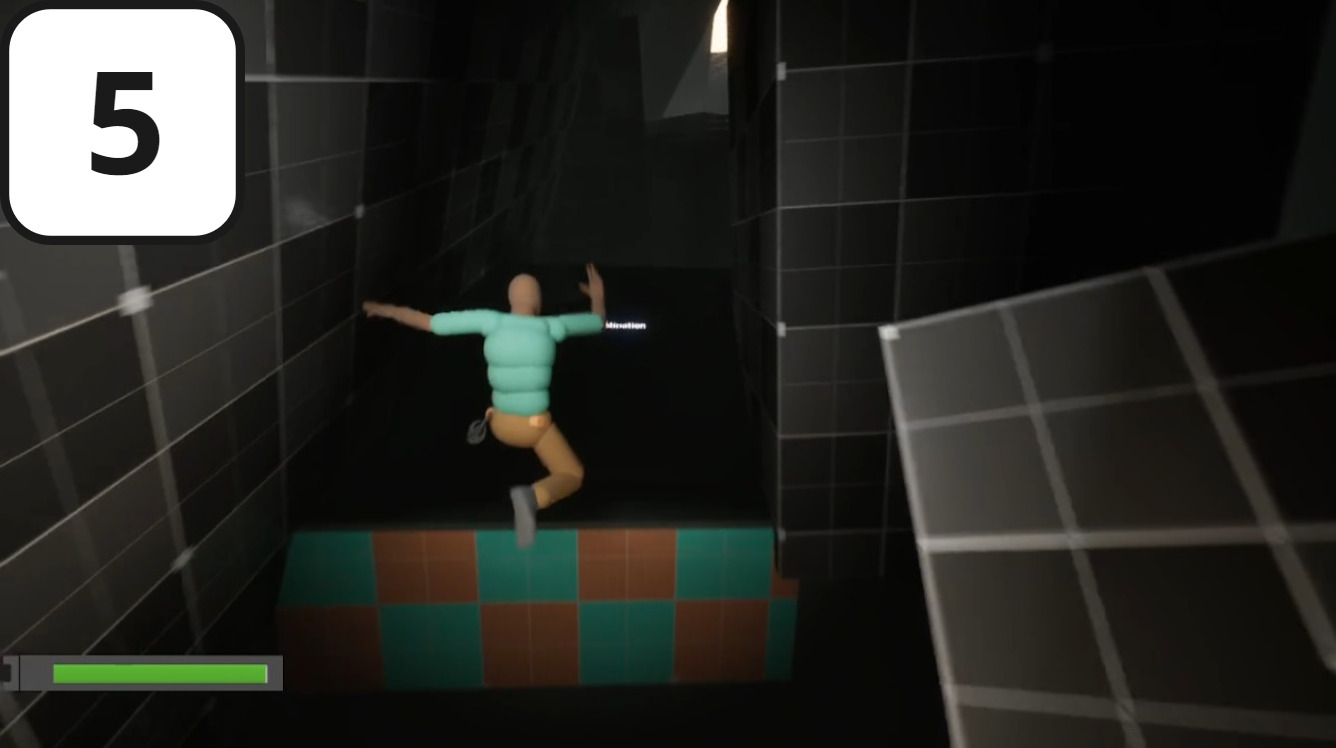
- Added walls and ceilings to understand the cave setting.
- Used TP pads for advanced gameplay spaces.
After preproduction, I start in Unreal Engine with the first step of the linear blockout to lay the groundwork translating my 2D map into the engine.
- Quick and rough technique to overcome blank canvas at the start.
- Helped roughly inform the walking length of the level
- No walls/ceilings to keep simplicity
- Pathed at desired length but not scale.