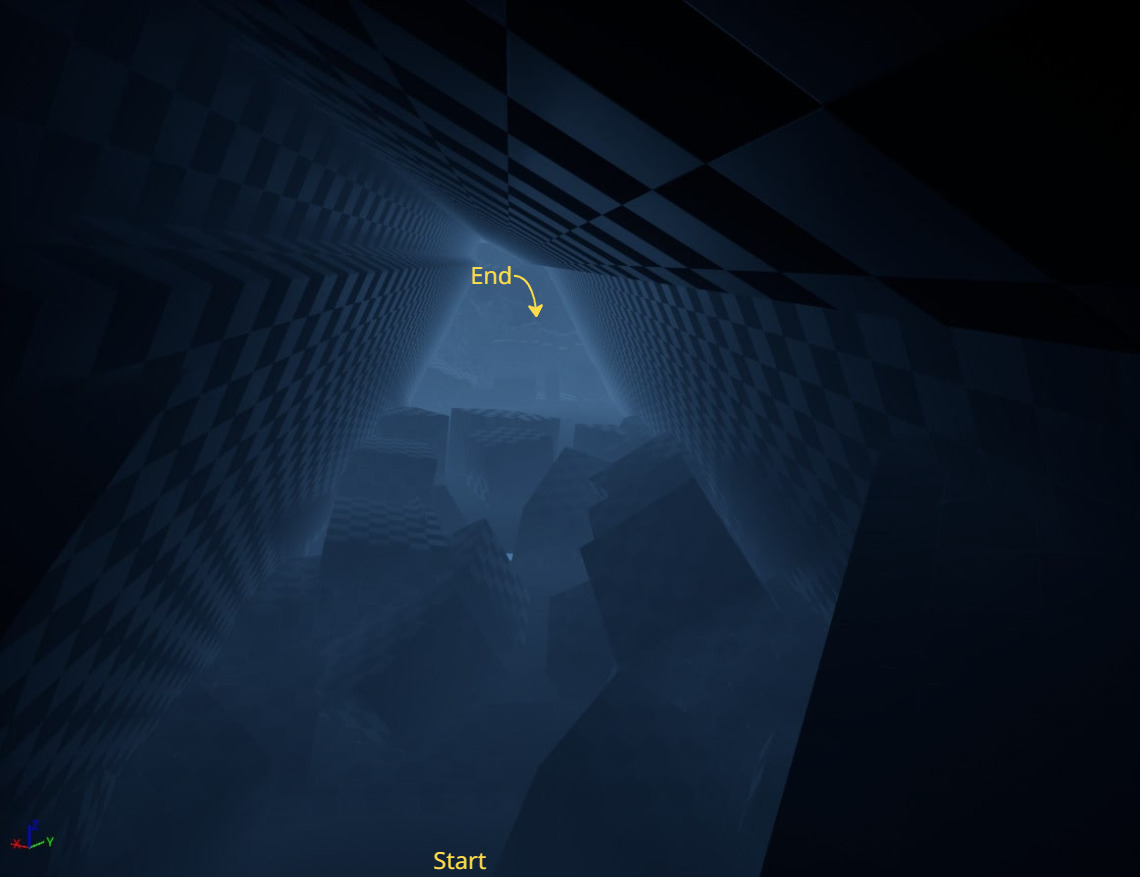
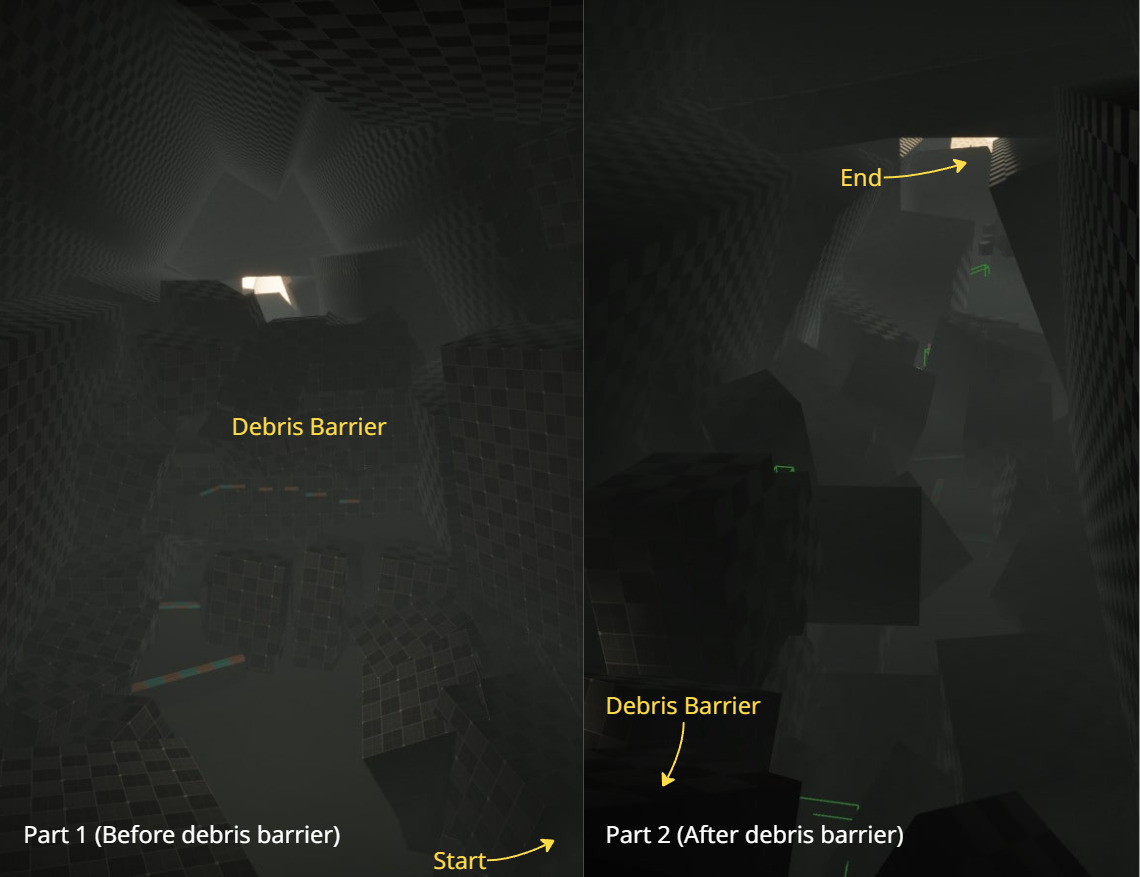
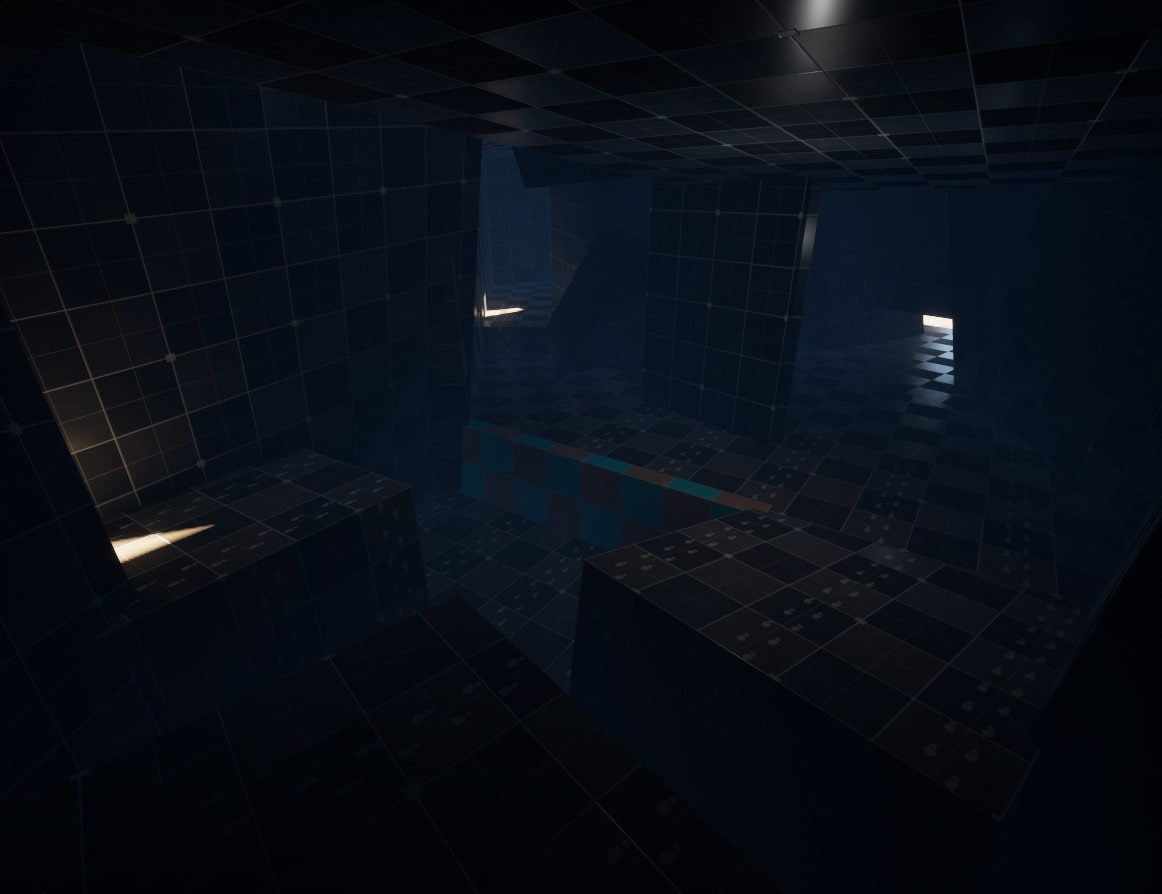
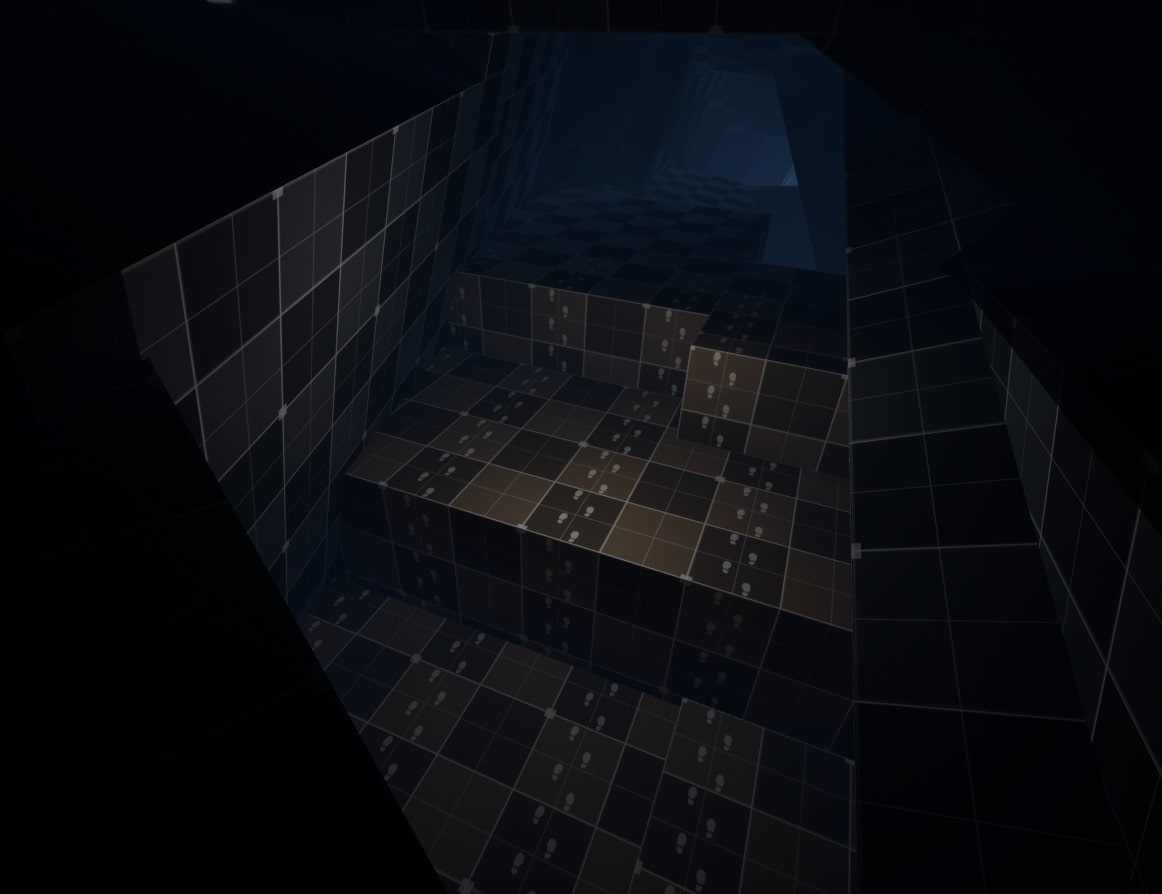
Goal

Build a level blockout to sharpen level design and pre-production skills, and to practice iterating based on player feedback.

Focus:
Design a polished, Uncharted-style 3D action-adventure level with:

  • Traversal challenges
  • Light puzzle elements

Progress

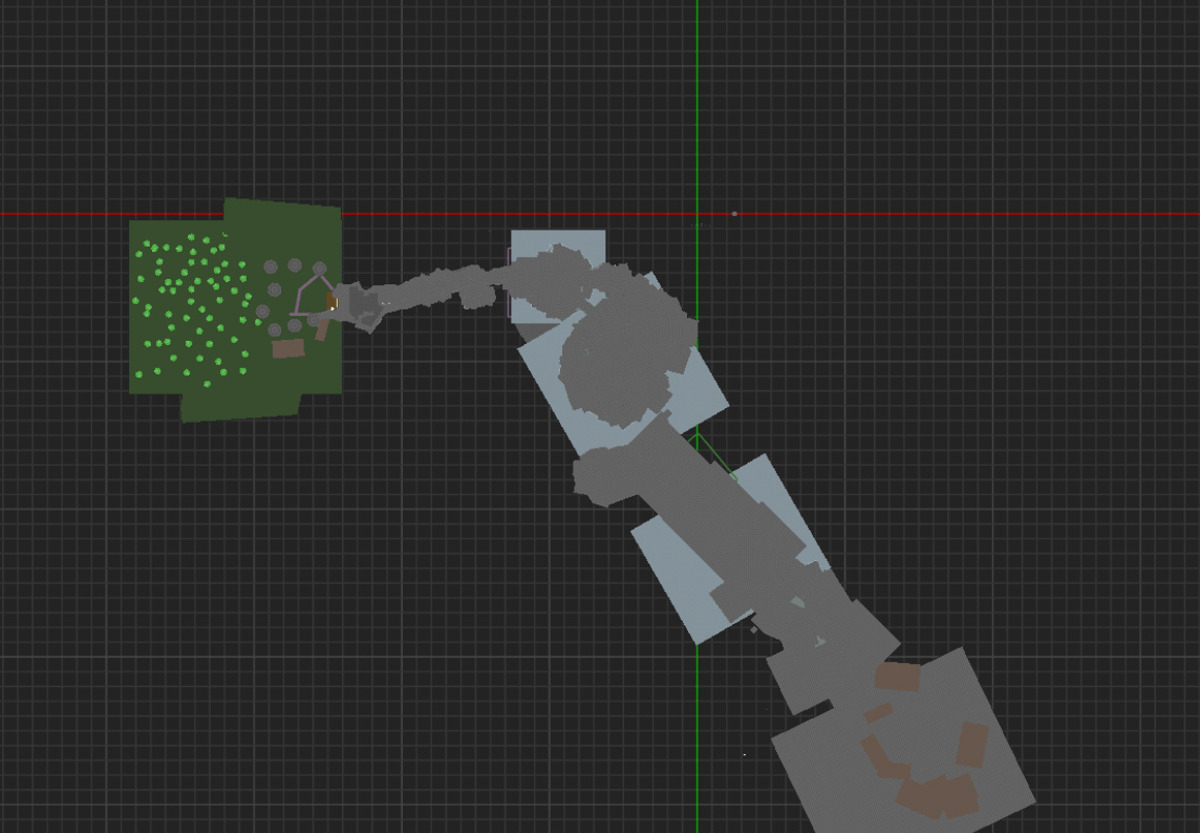
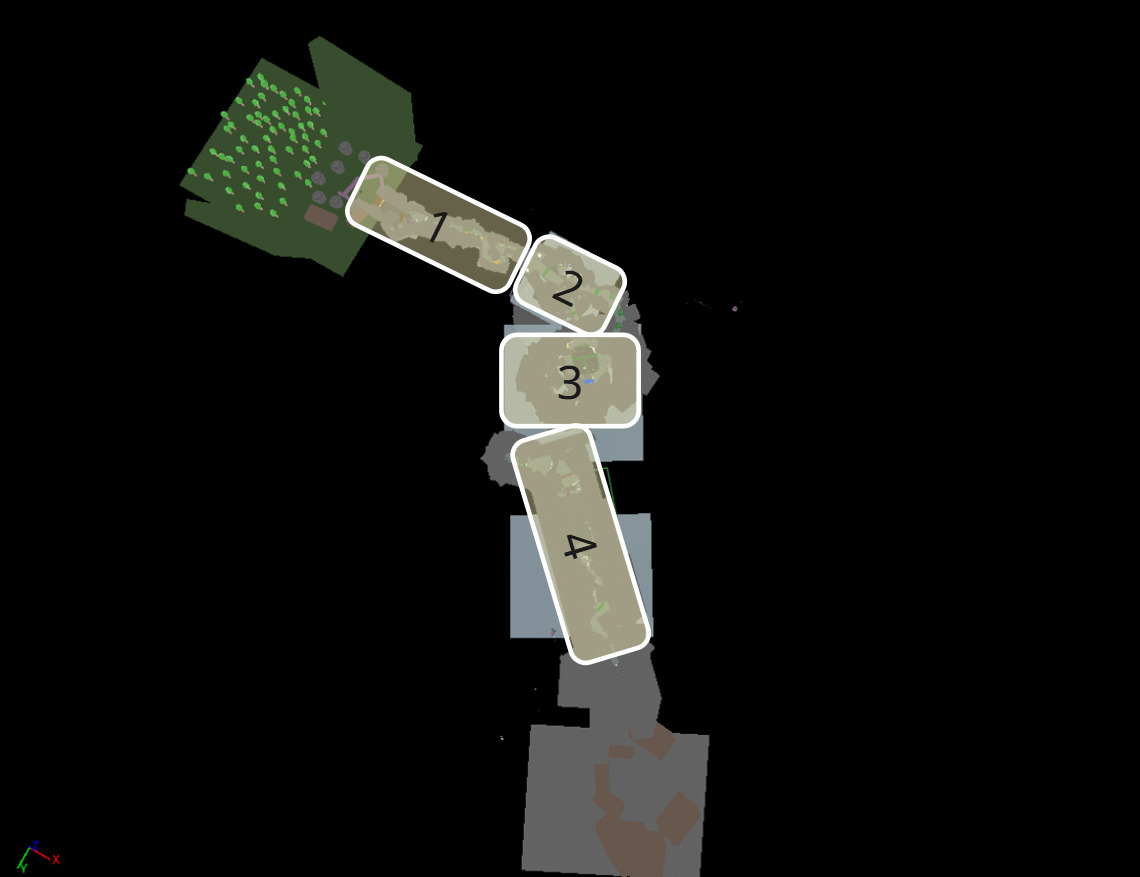
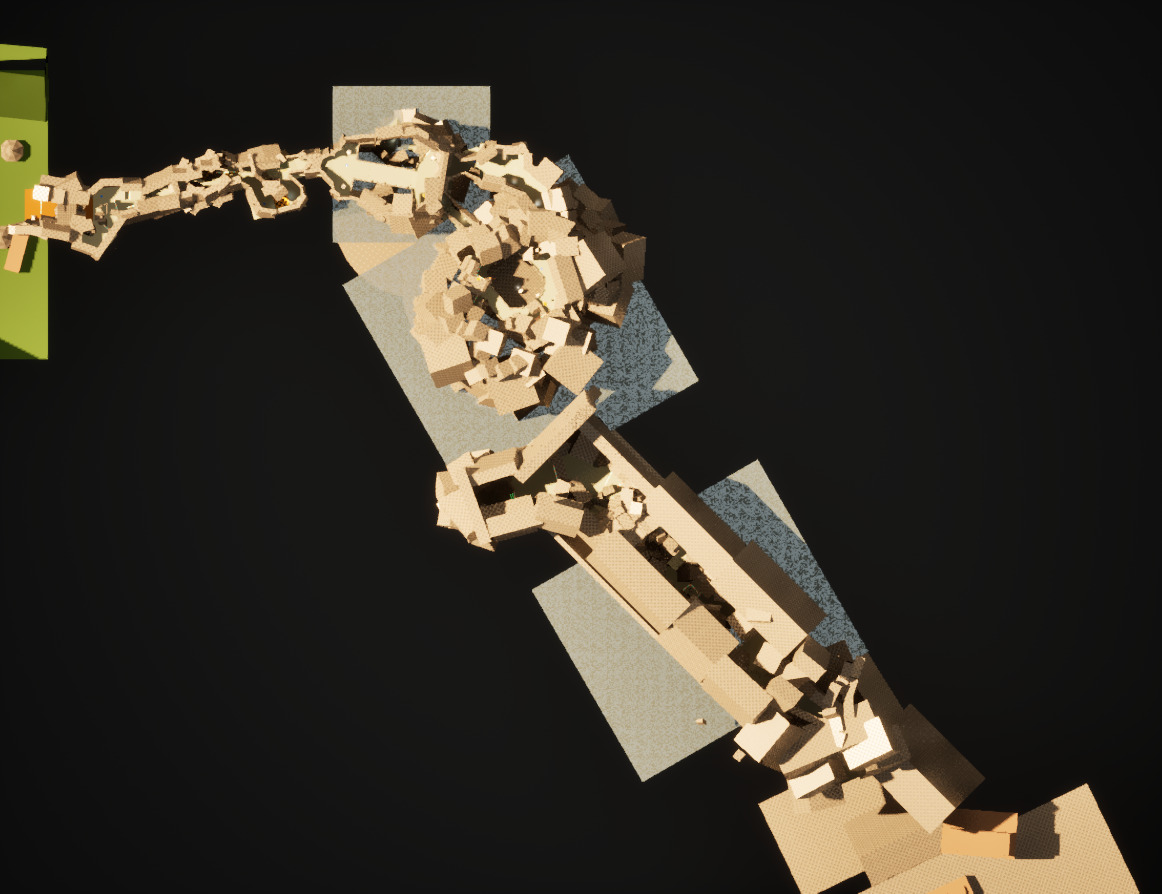
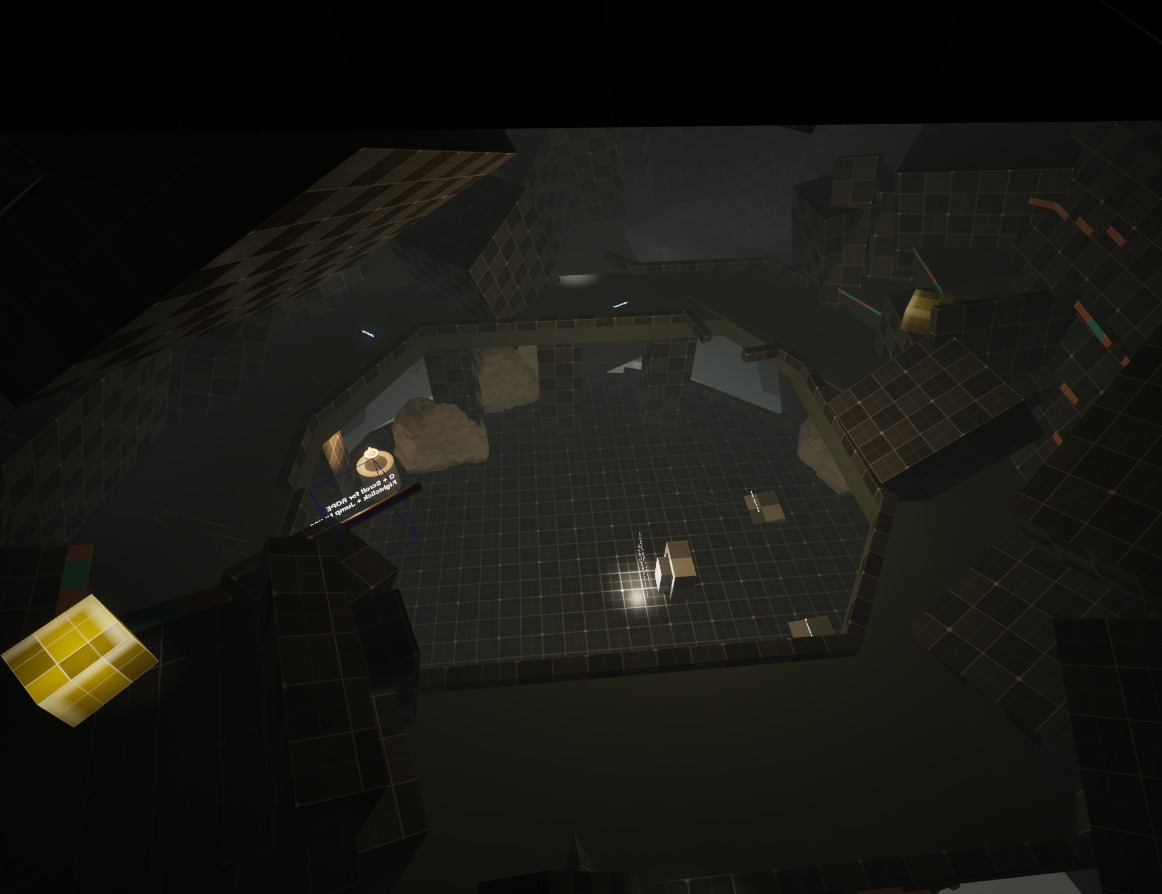
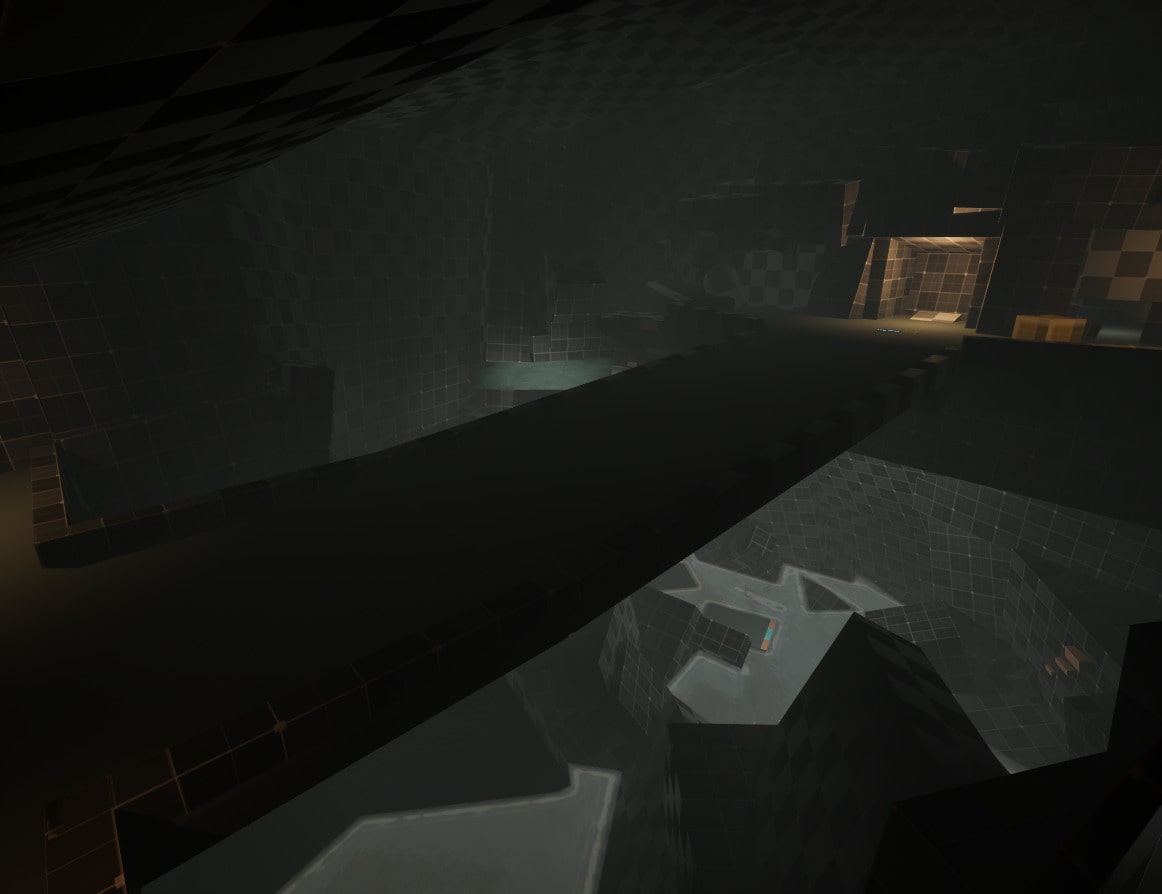
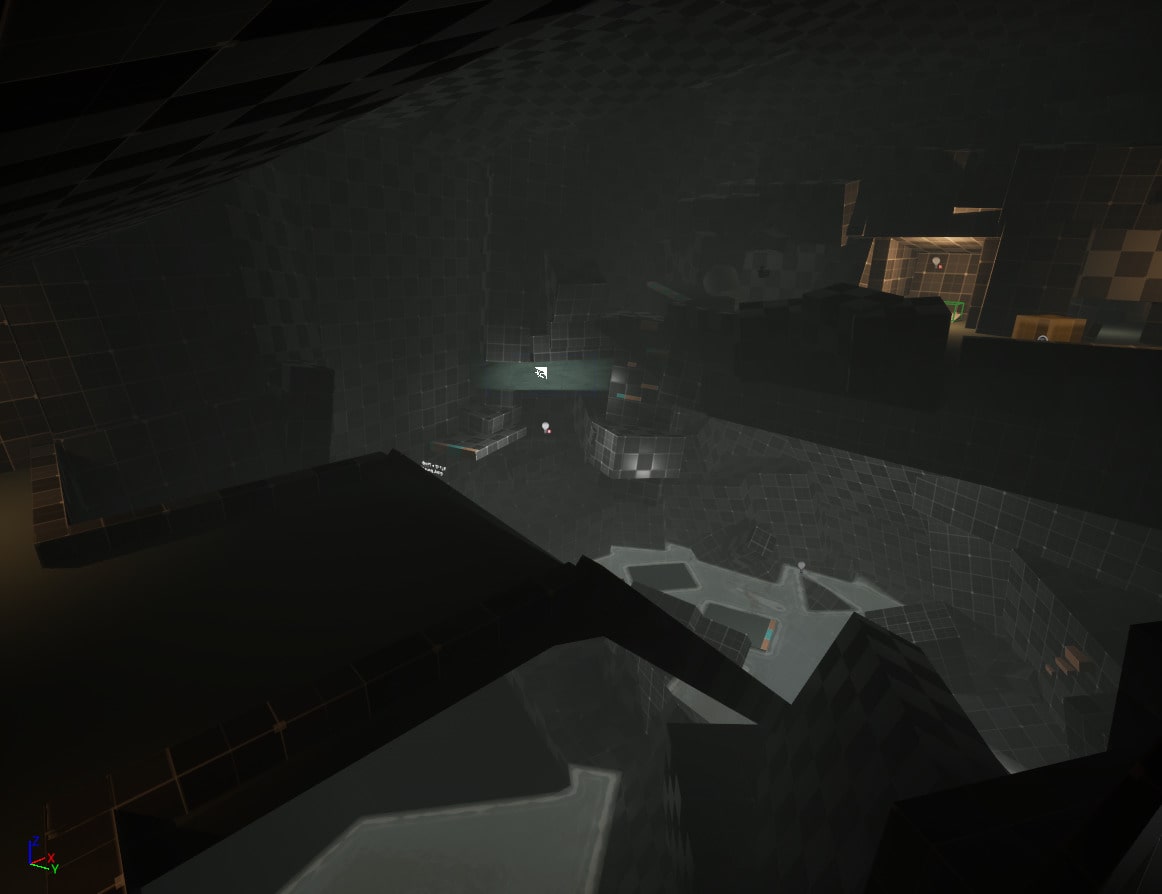
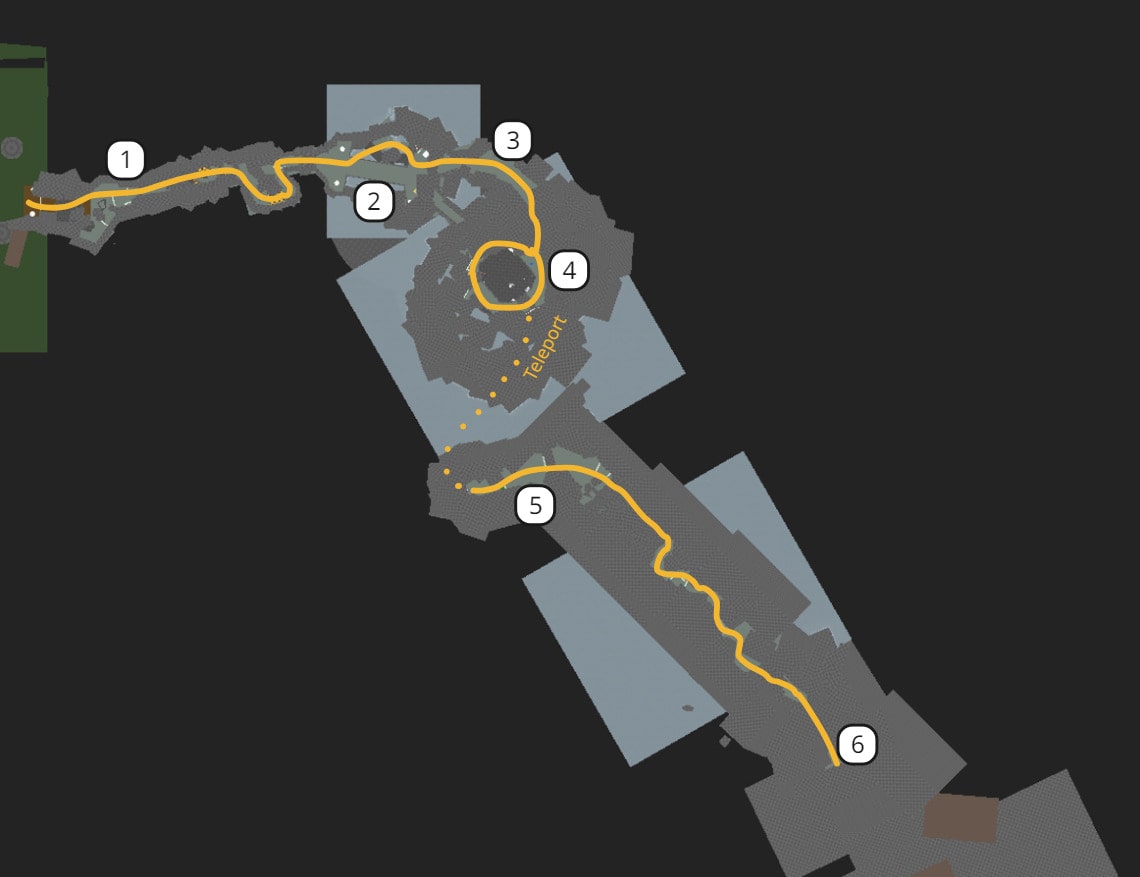
Top View

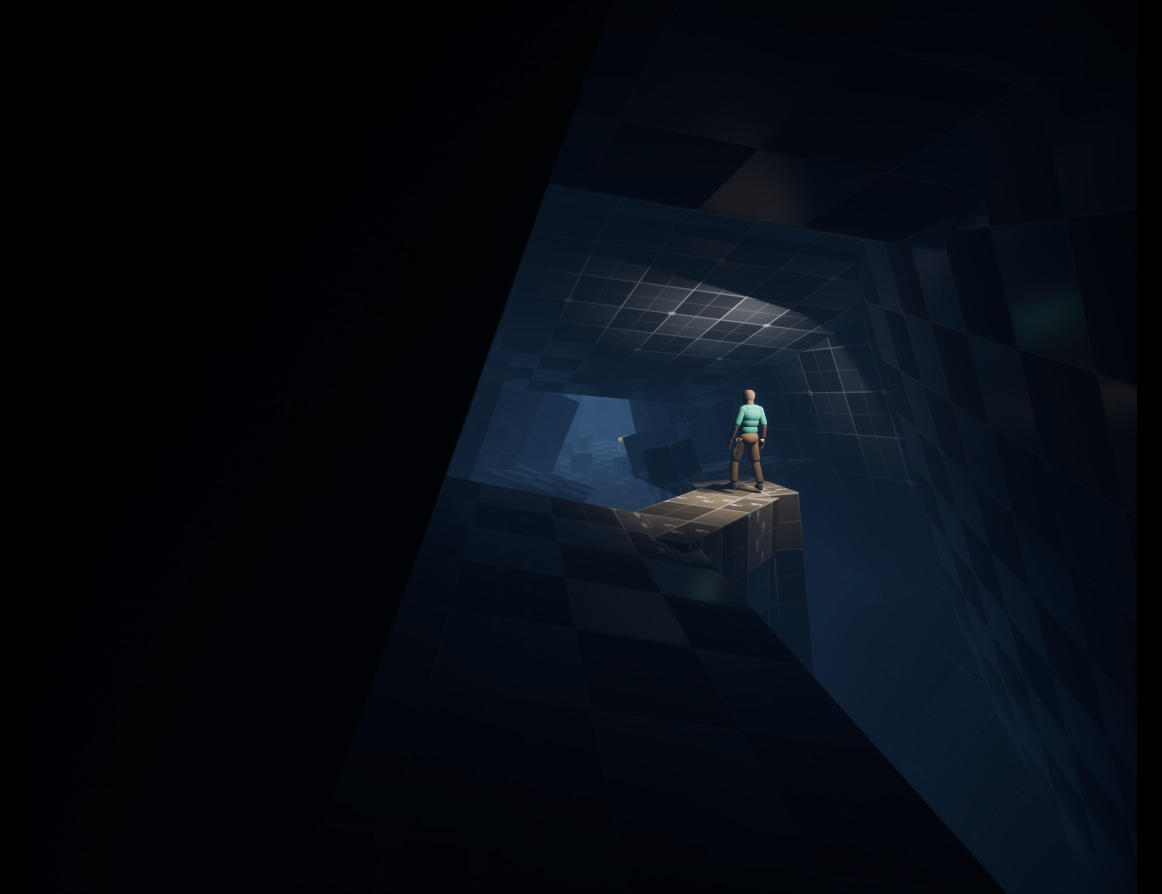
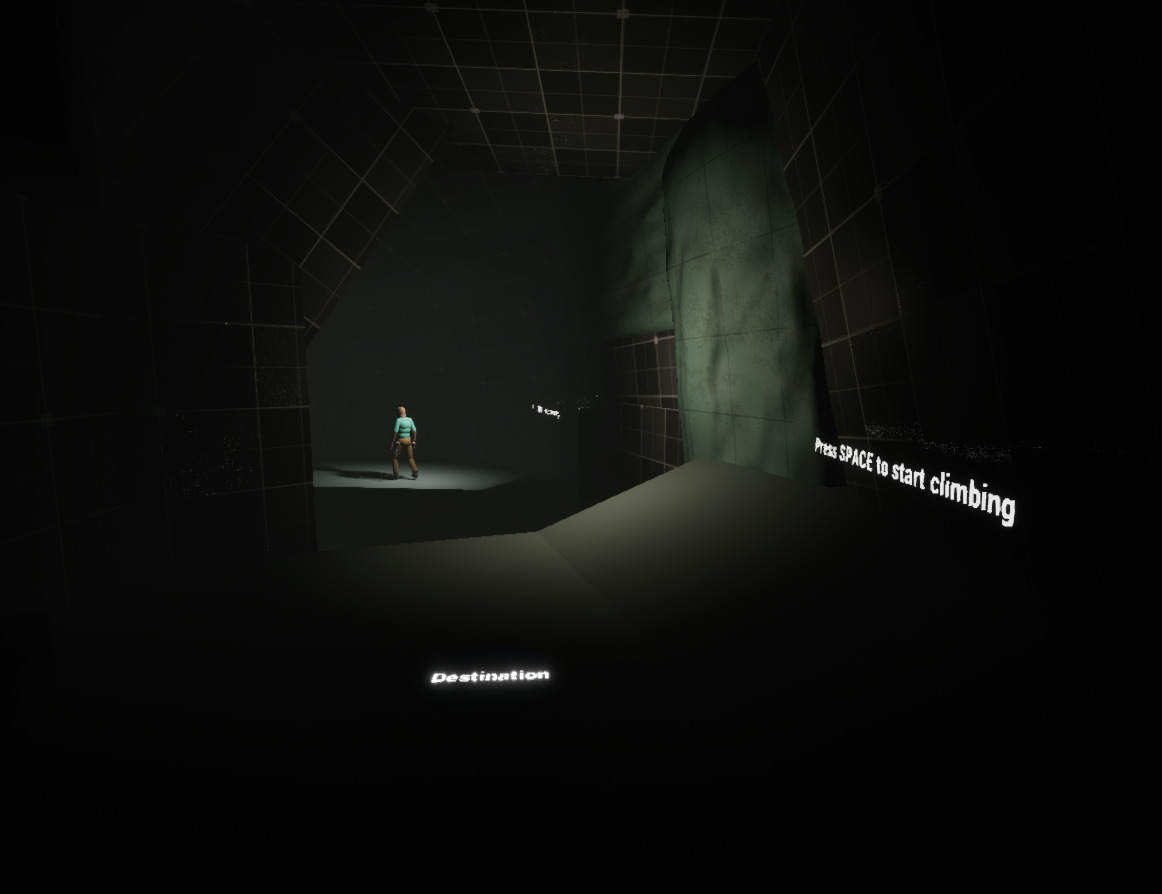
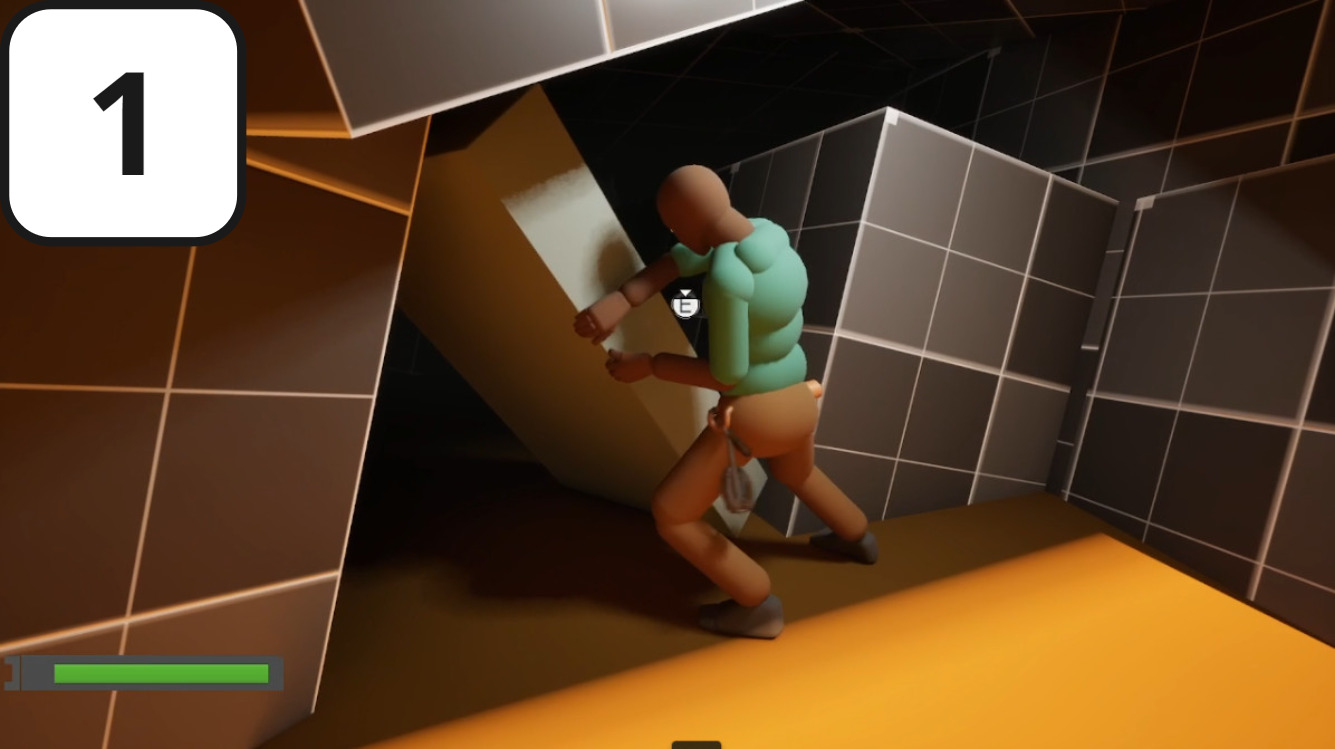
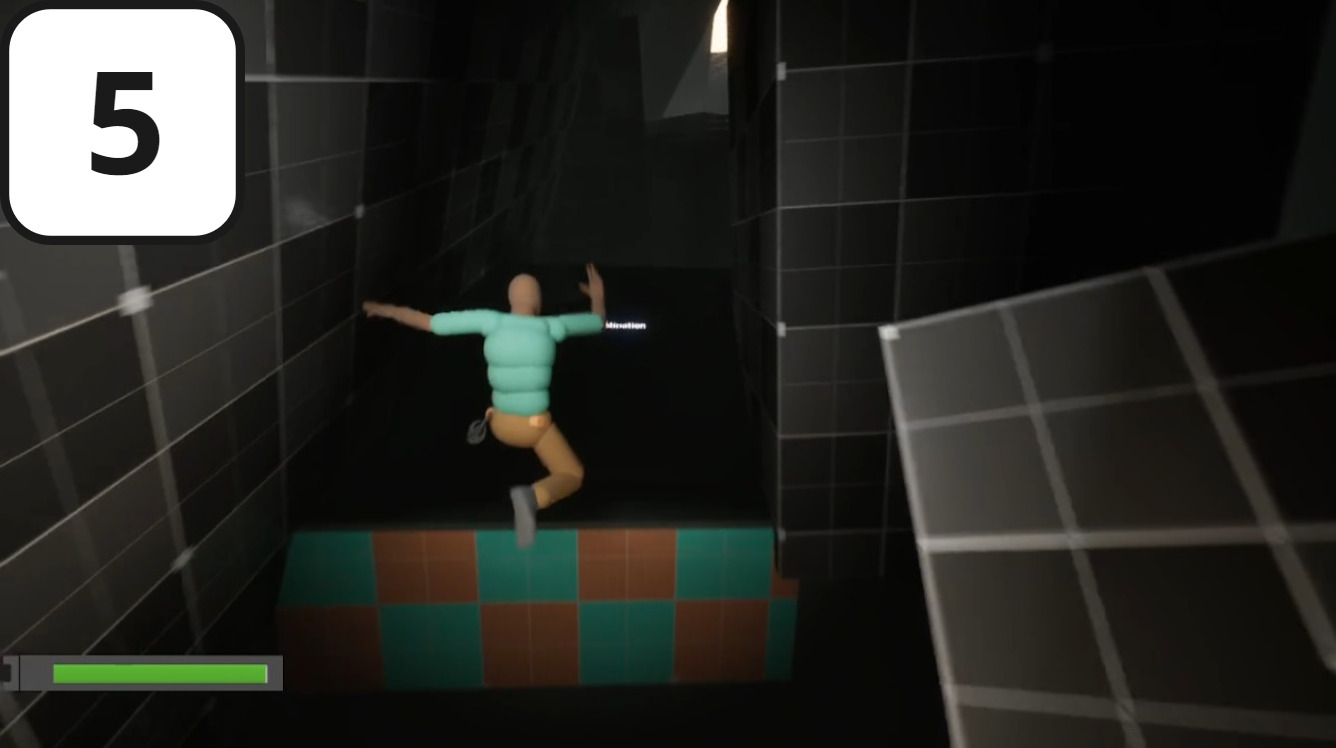
Cave Platforming

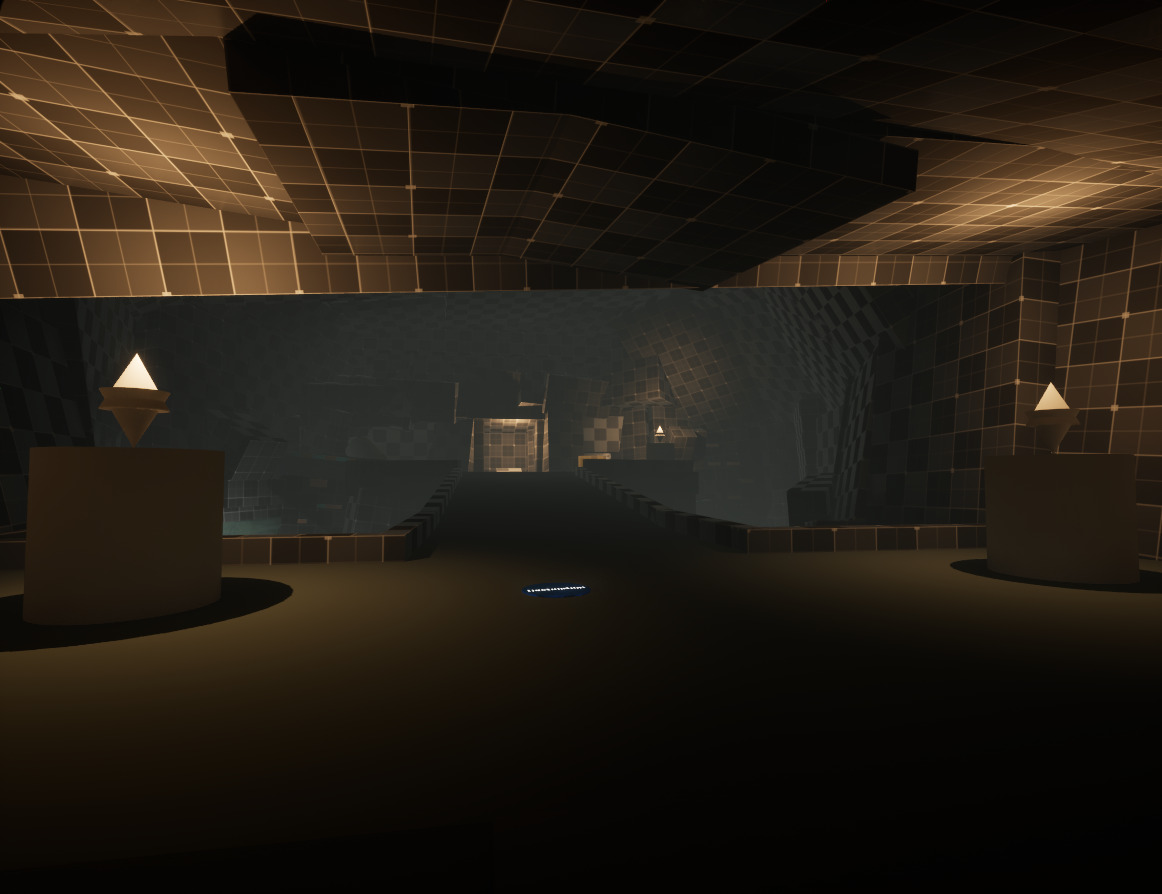
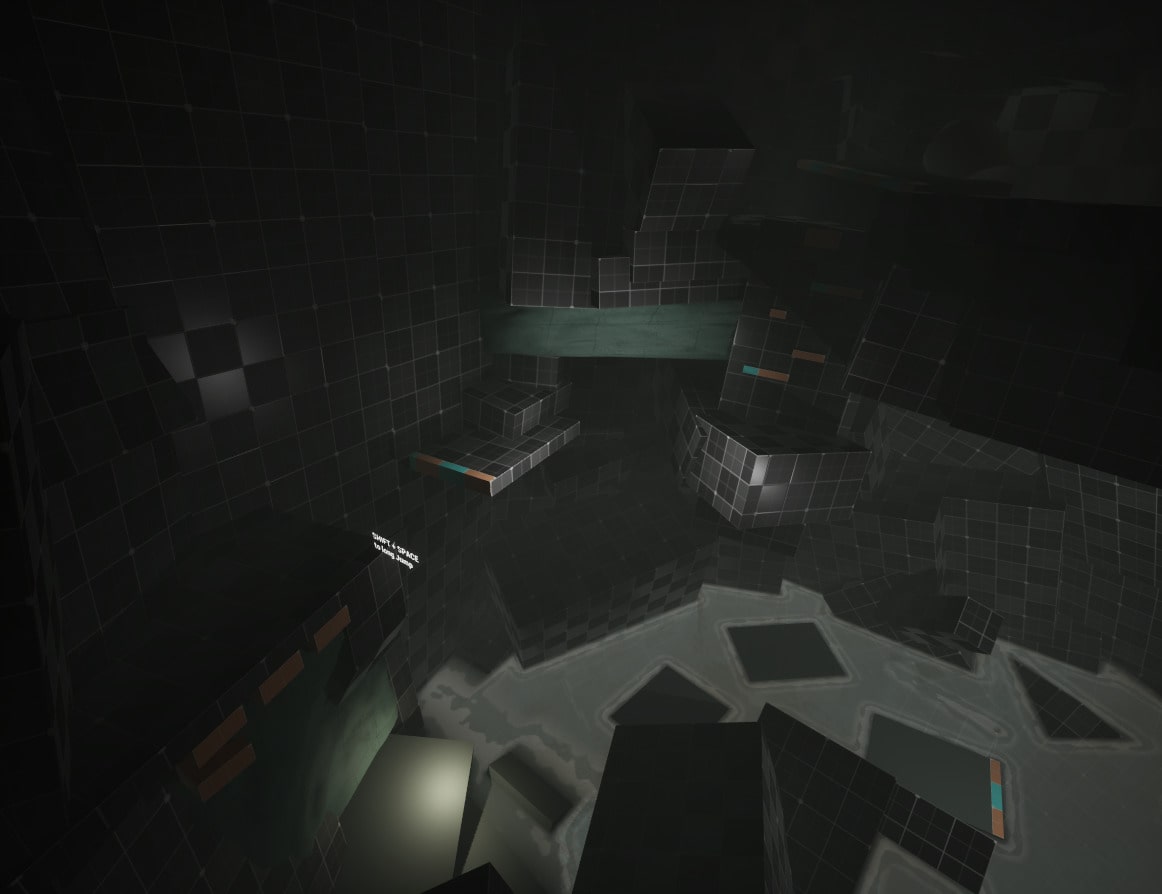
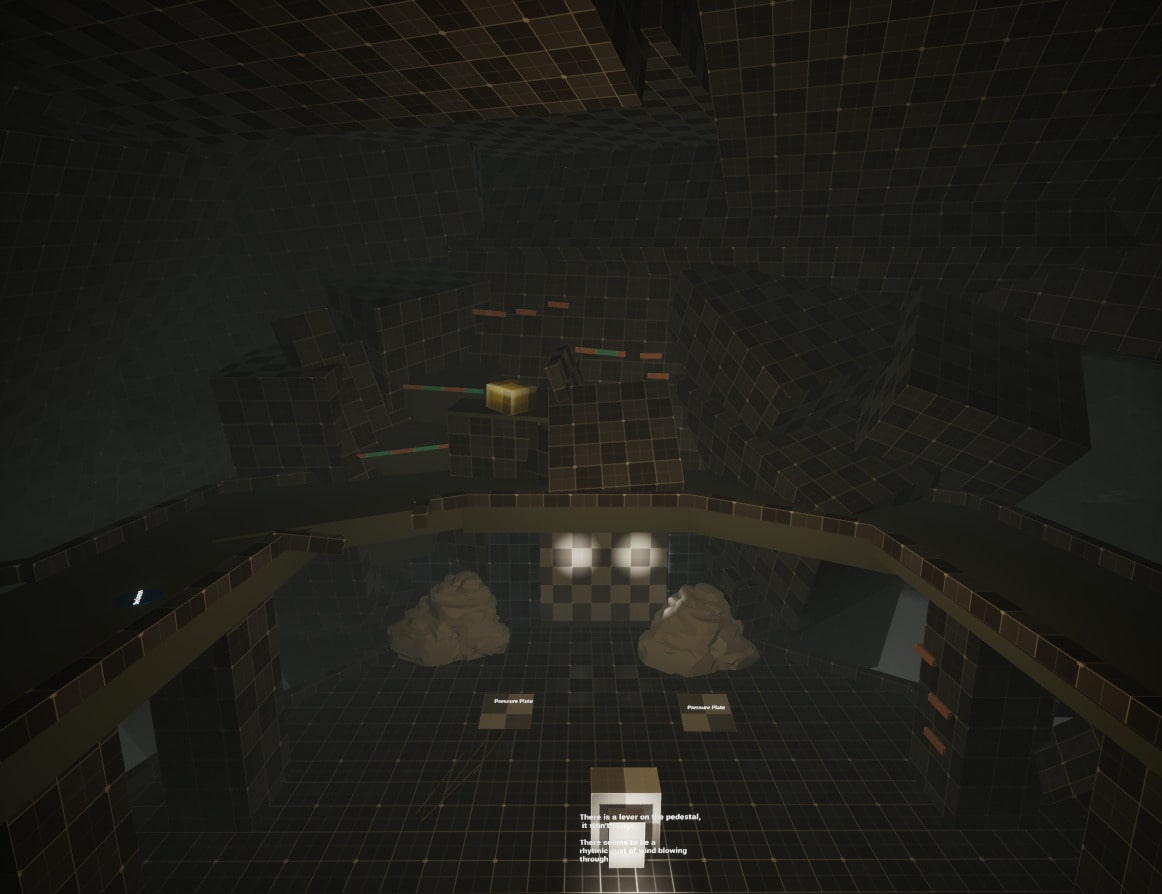
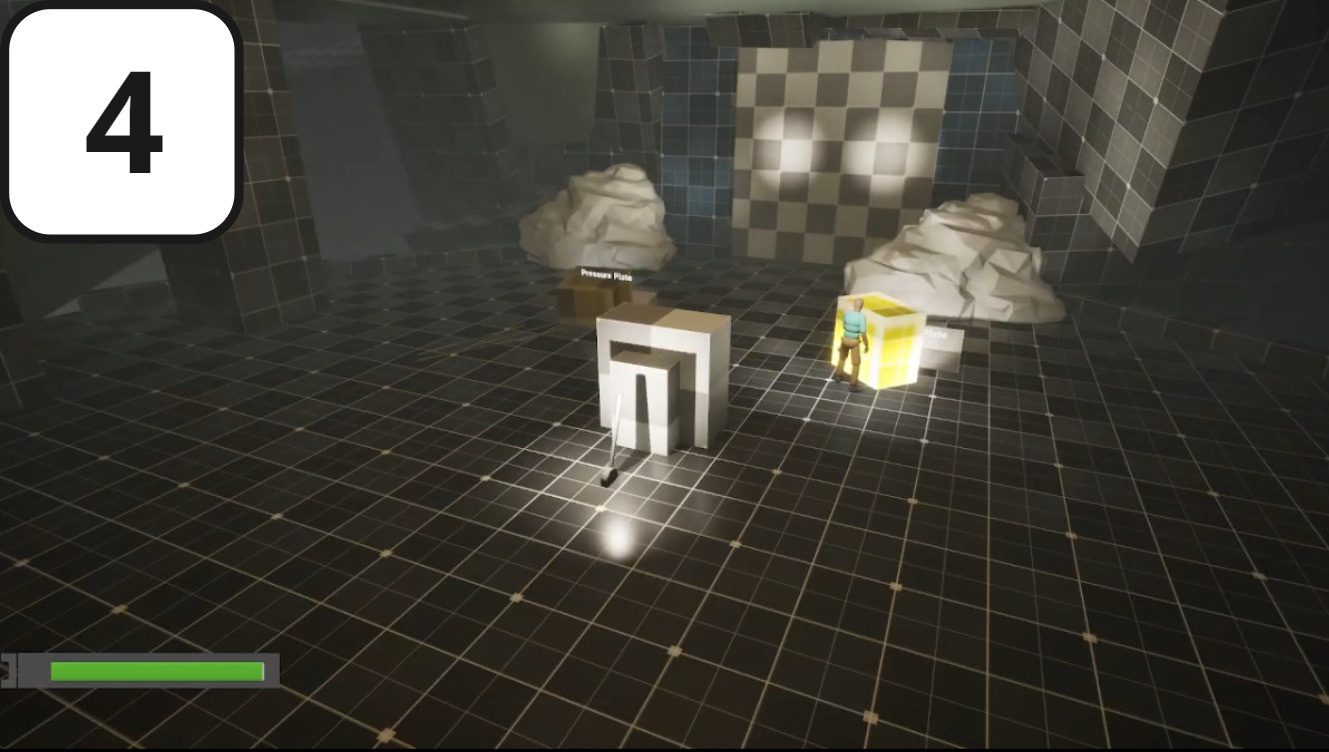
Puzzle Solving

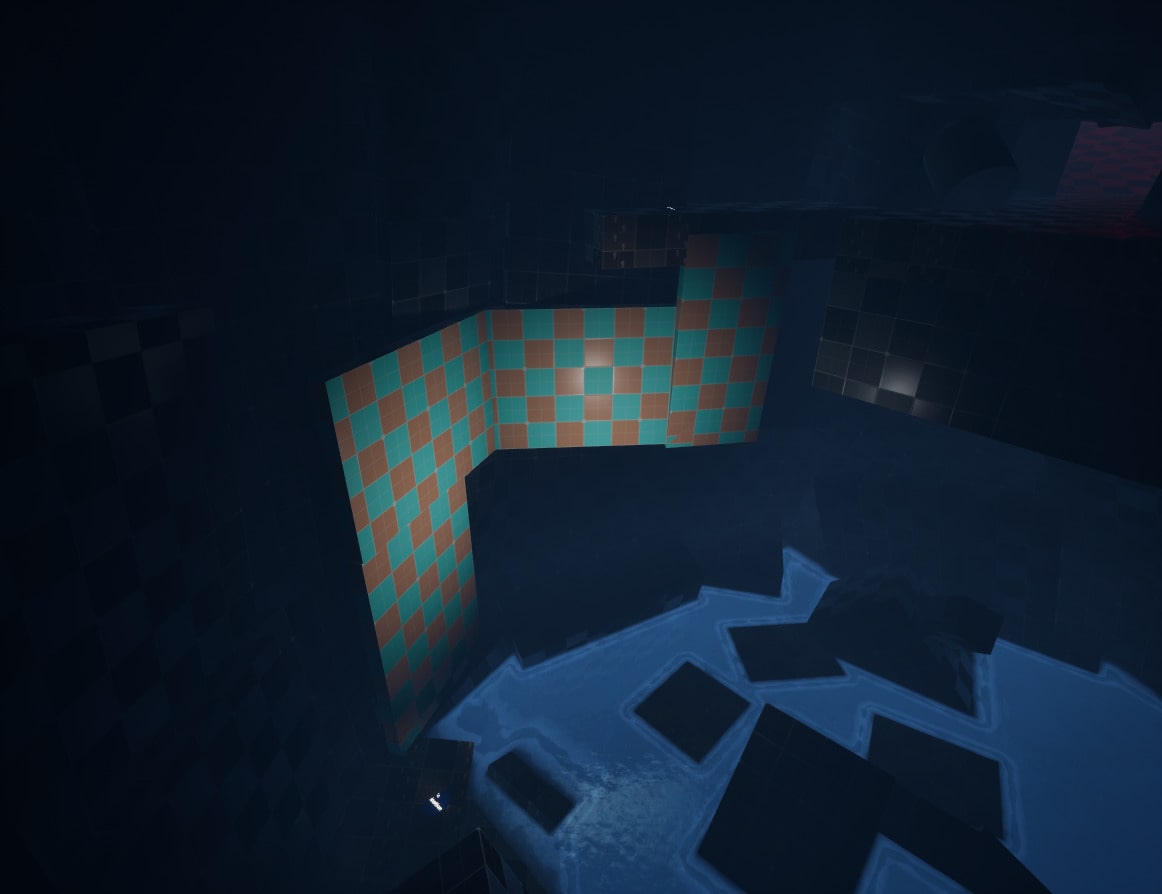
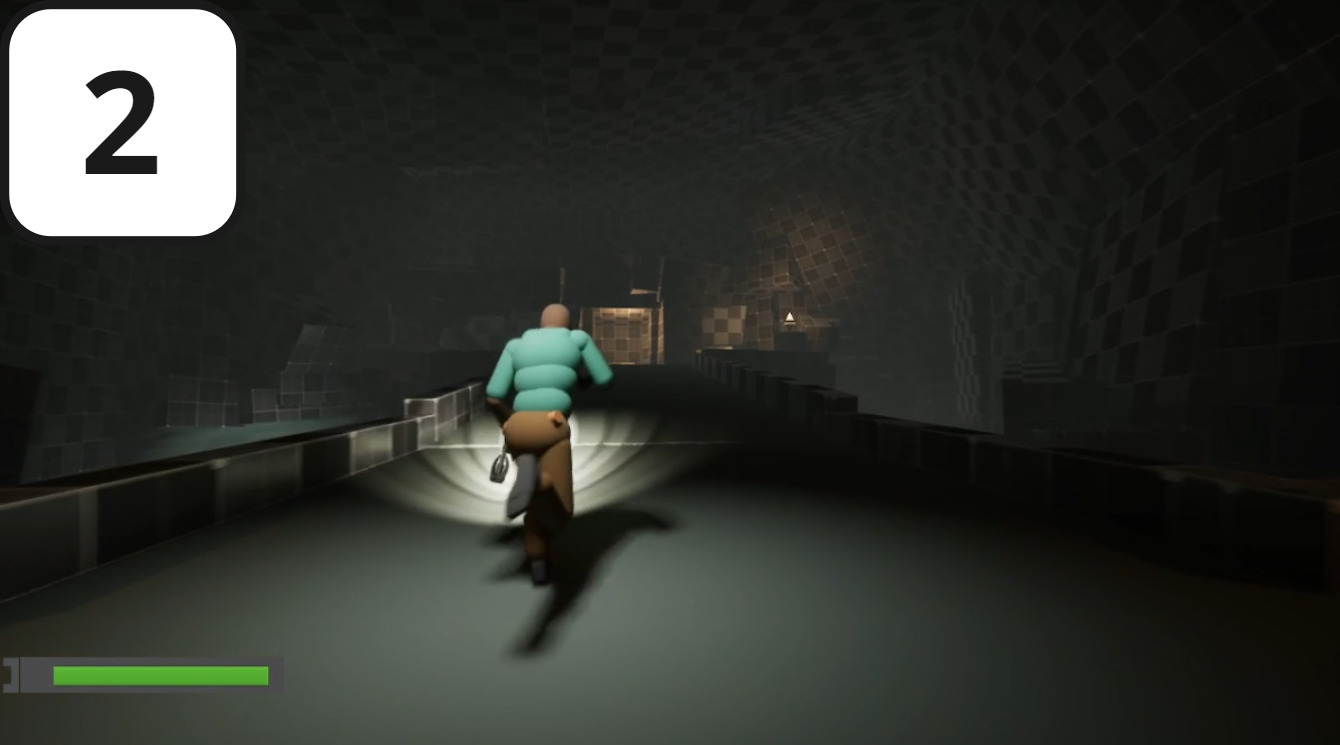
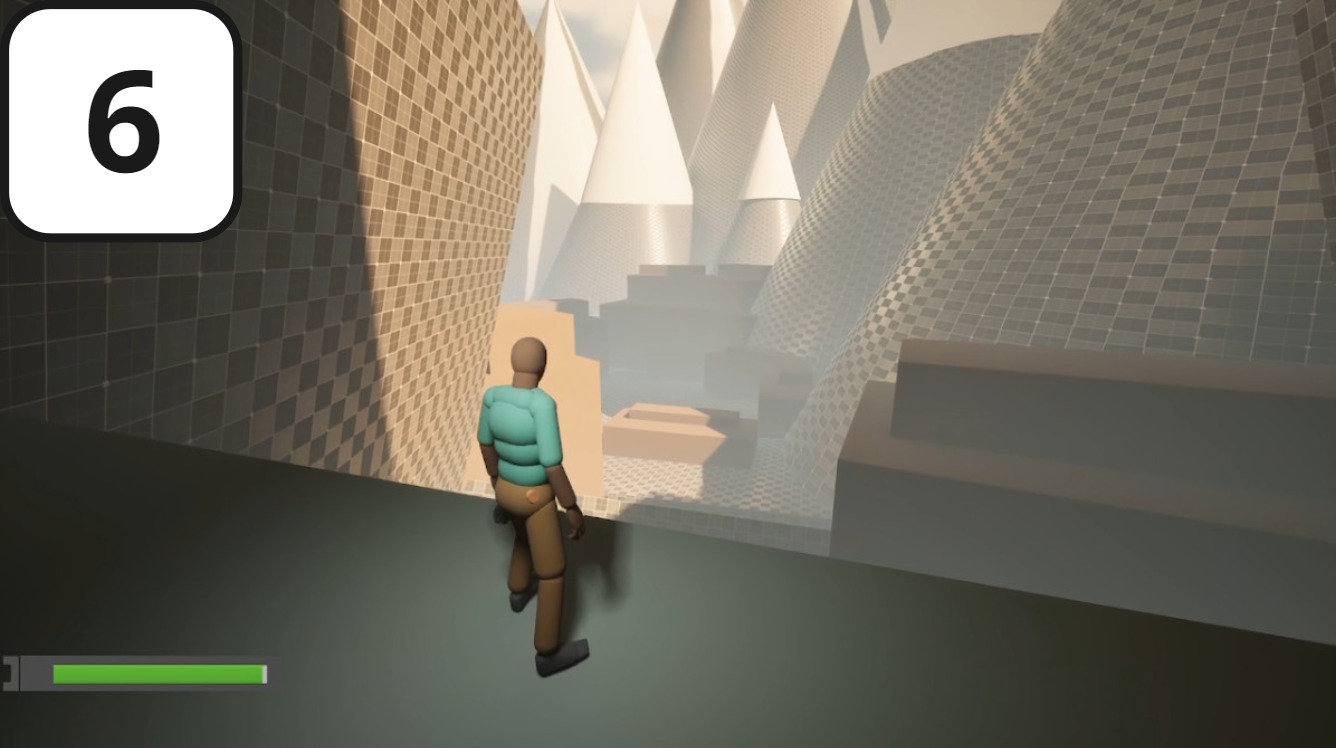
Chase Sequence

Overview

In this Uncharted-inspired level, the player must steal an ancient artifact by:

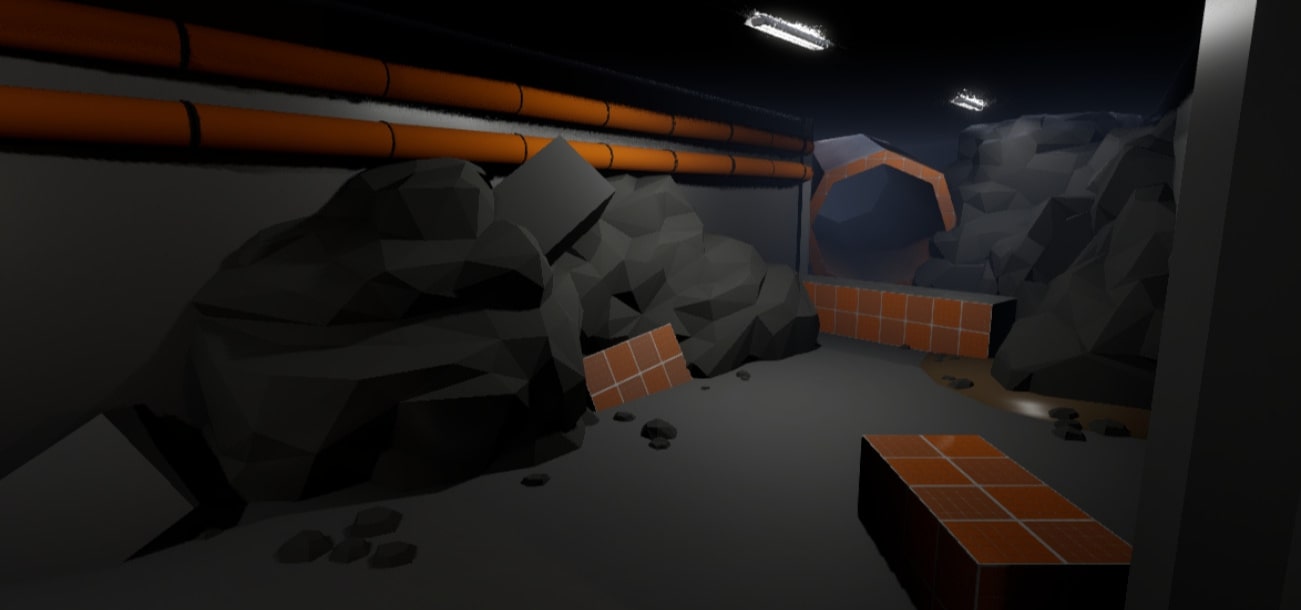
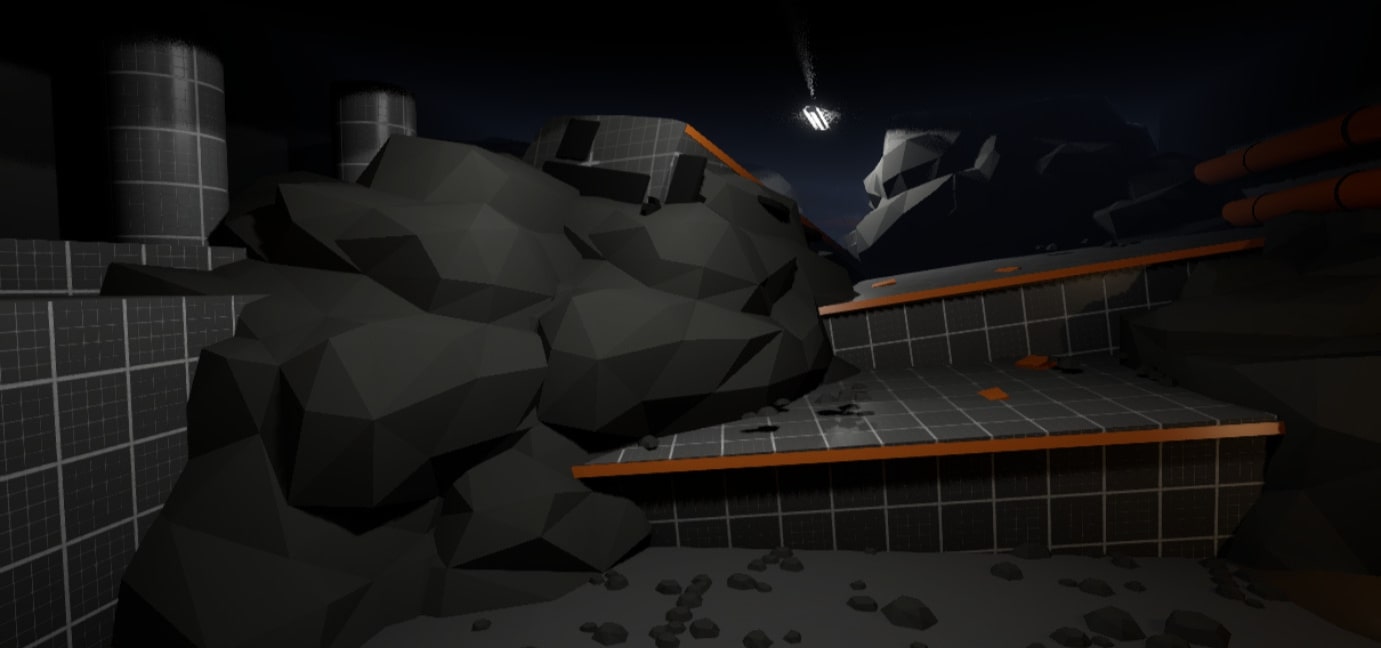
  • Navigating a mountain cave
  • Overcoming hazards and puzzles
  • Escaping the dragon

Setting:
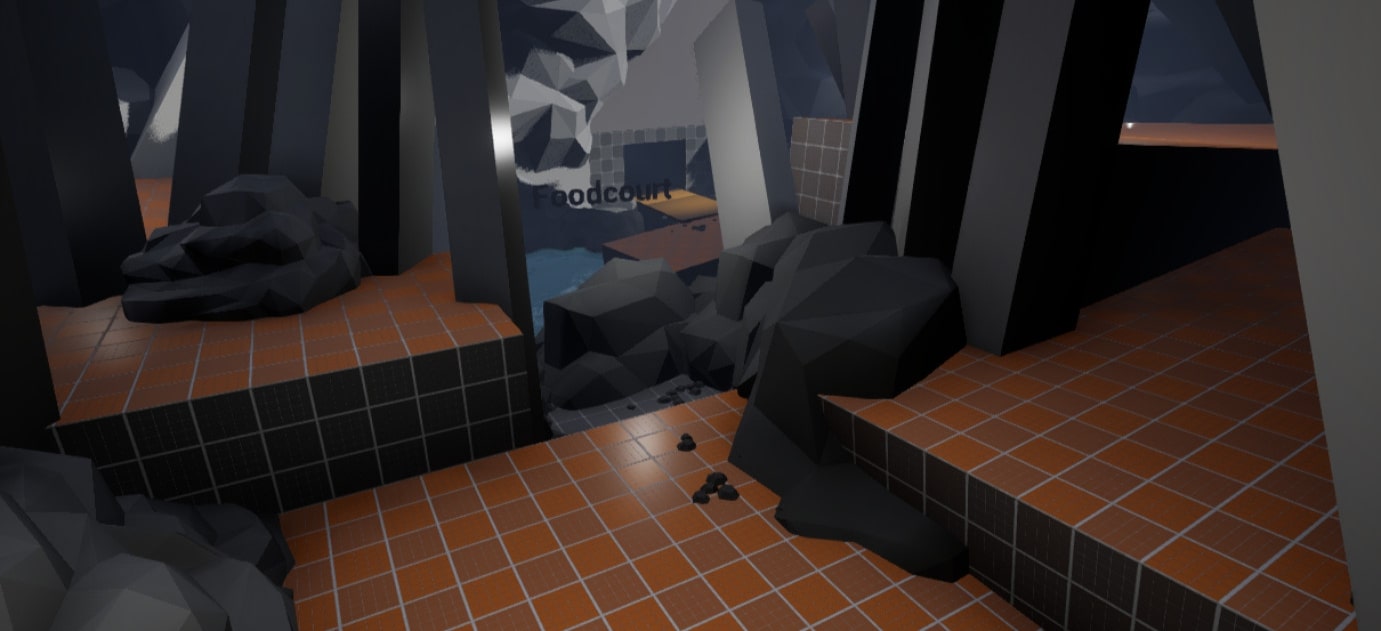
After a perilous climb, the player enters an ancient village and discovers a tomb leading to a vast vault hiding a mysterious threat.

Constraints:

  • Design a linear 3D action-adventure level (5-10mins playtime)
  • Maintain organic player experience with subtle guidance
  • Uphold player interactivity and level reactivity

Highlights

Narrative-driven level

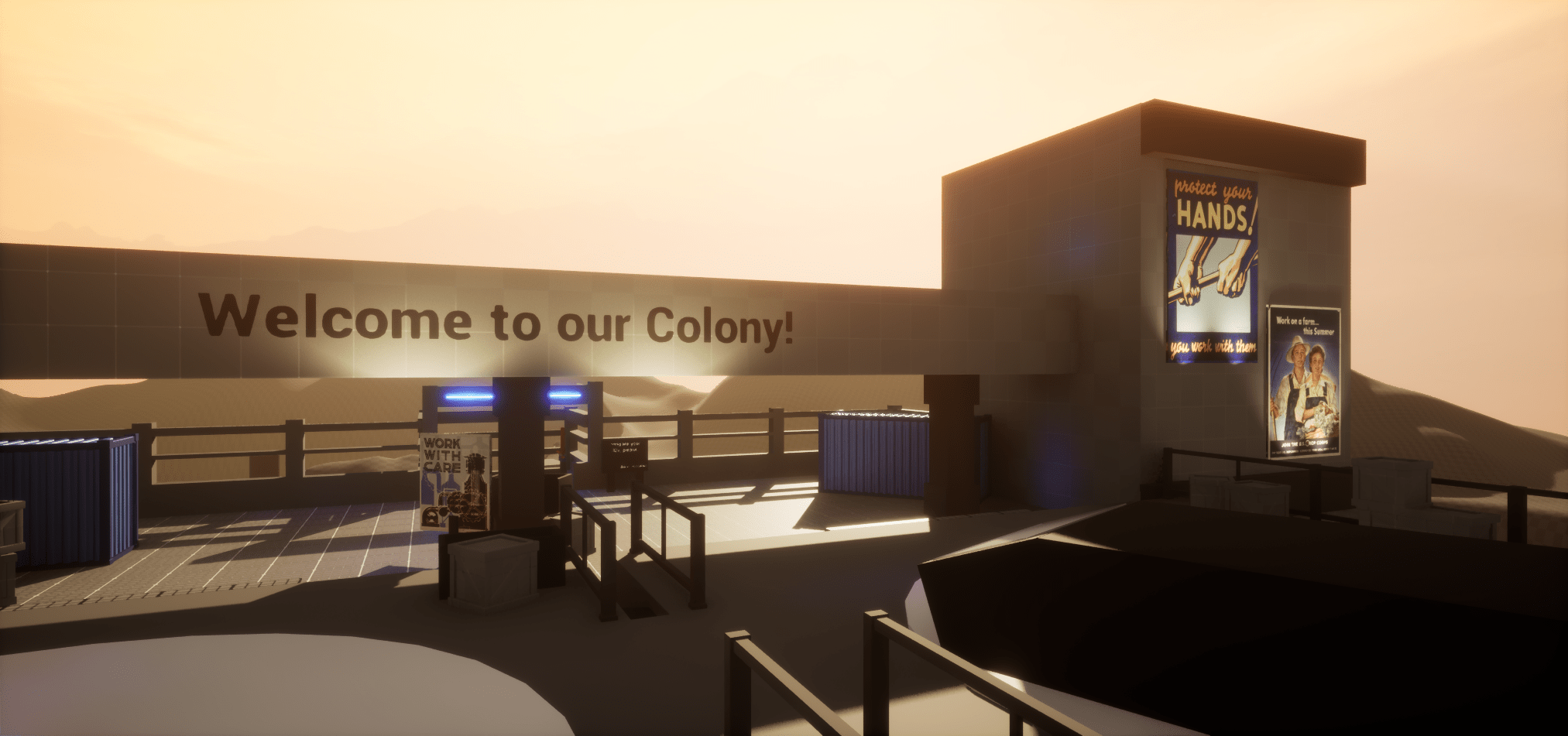
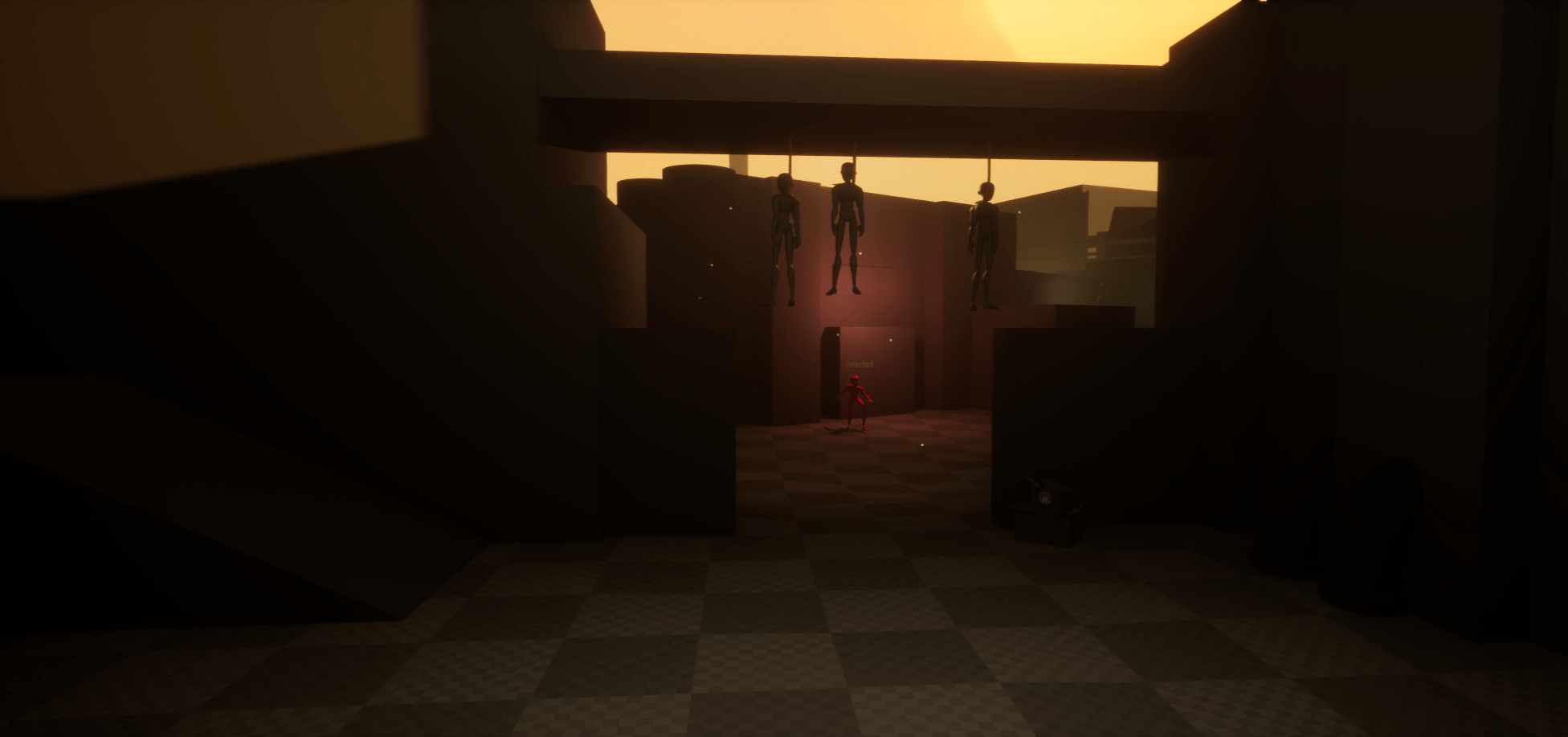
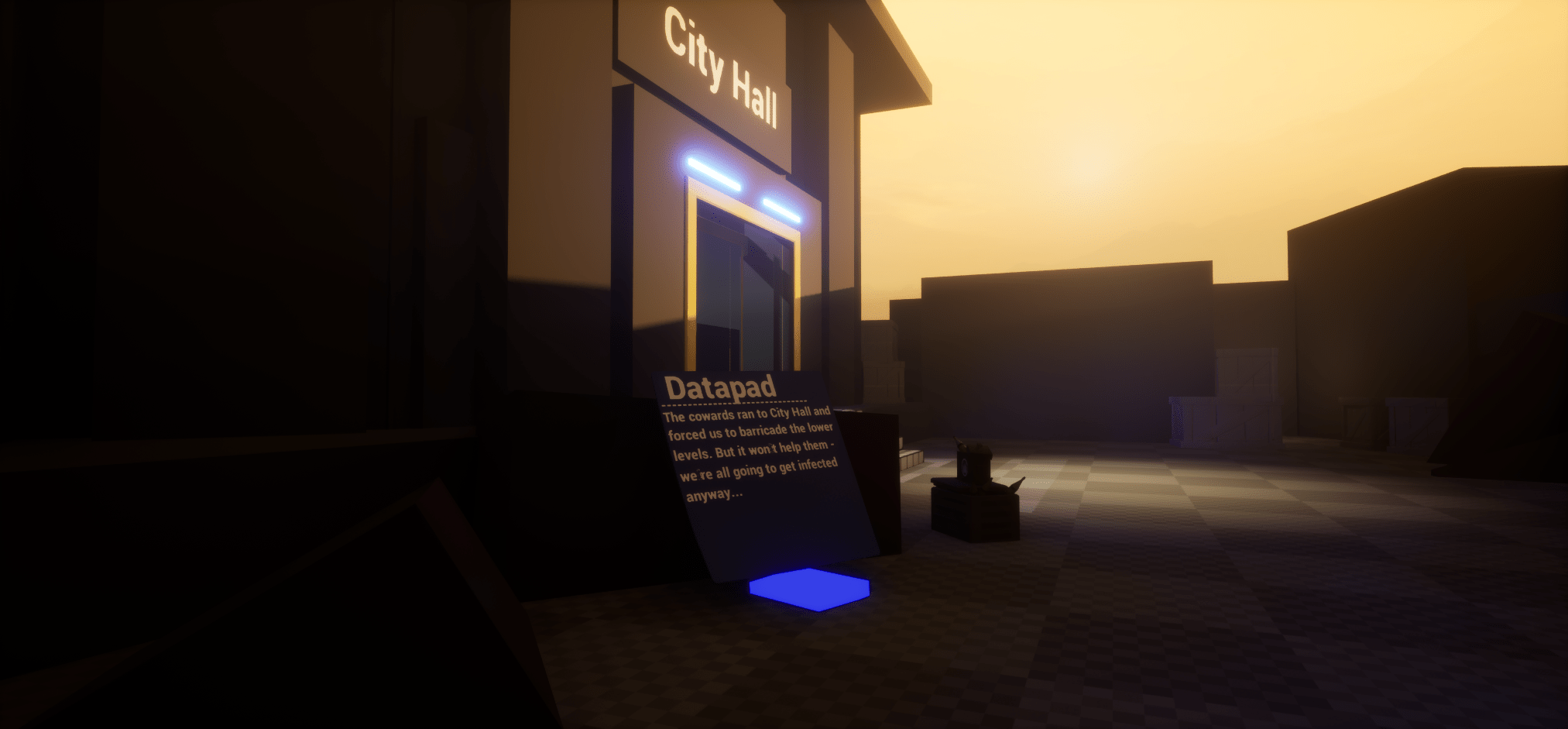
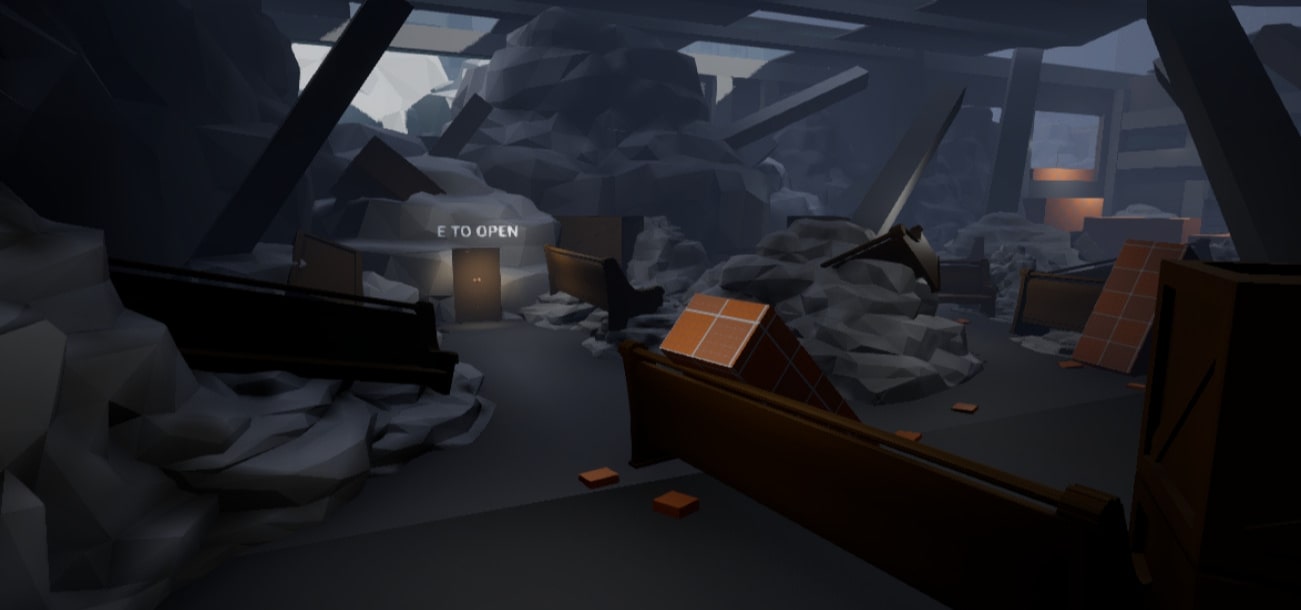
  • Used environmental storytelling to create the world that feels alive and to reflect the colony’s current state during the disaster.
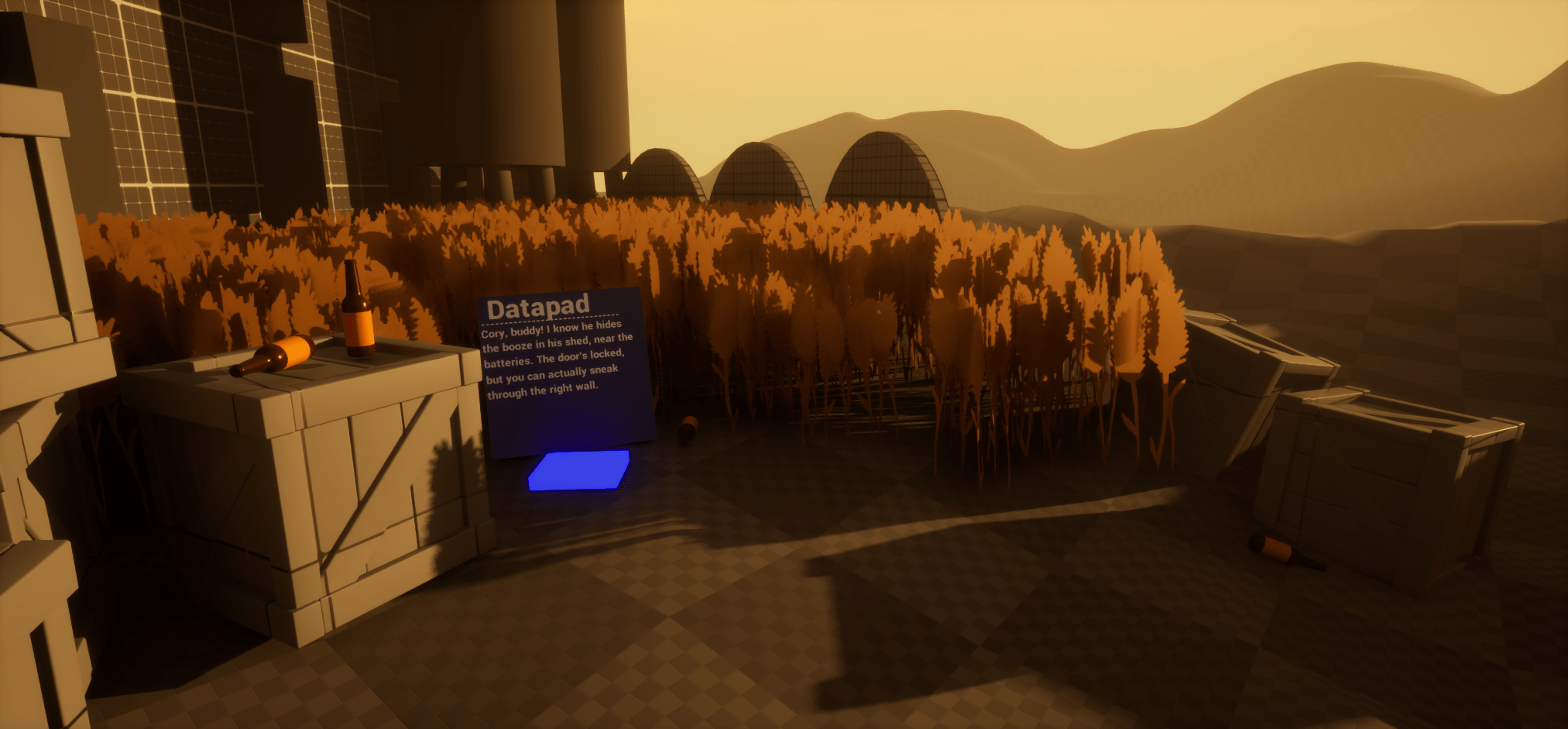
  • Told the story of the colonists before and during the catastrophe through datapads scattered throughout the level.
  • Used environmental “breadcrumbs” – blood trails, bodies, bottles, ruined furniture – to deepen immersion.
6 Iterations:
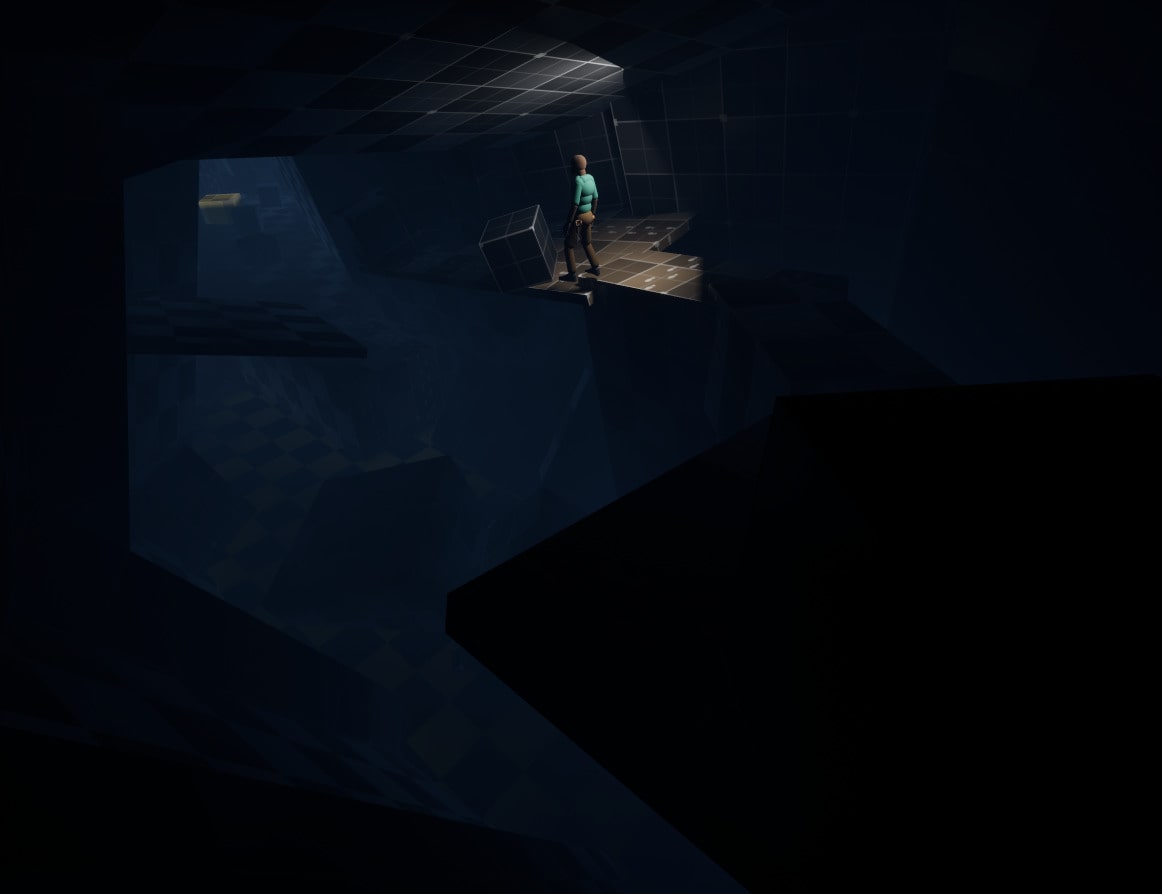
Entering the Tomb: Traversal & Introductory Area
  • The starting area introduces the player to:

    • Traversal gameplay
    • Object pushing mechanics
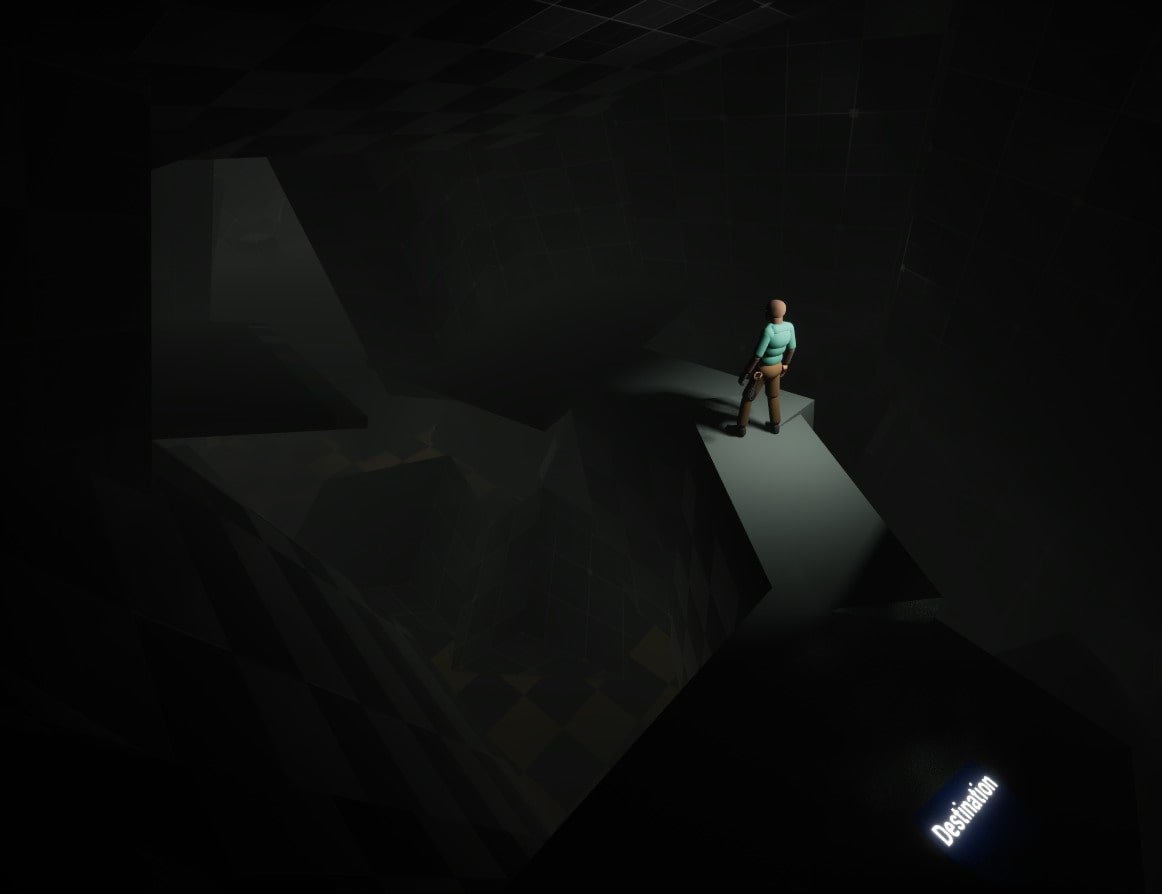
Bridge Collapse: Traversal & Narrative Area
  • The bridge collapses when the player walks on it to:

    • Heighten player immersion
    • Intensify level tension and urgency
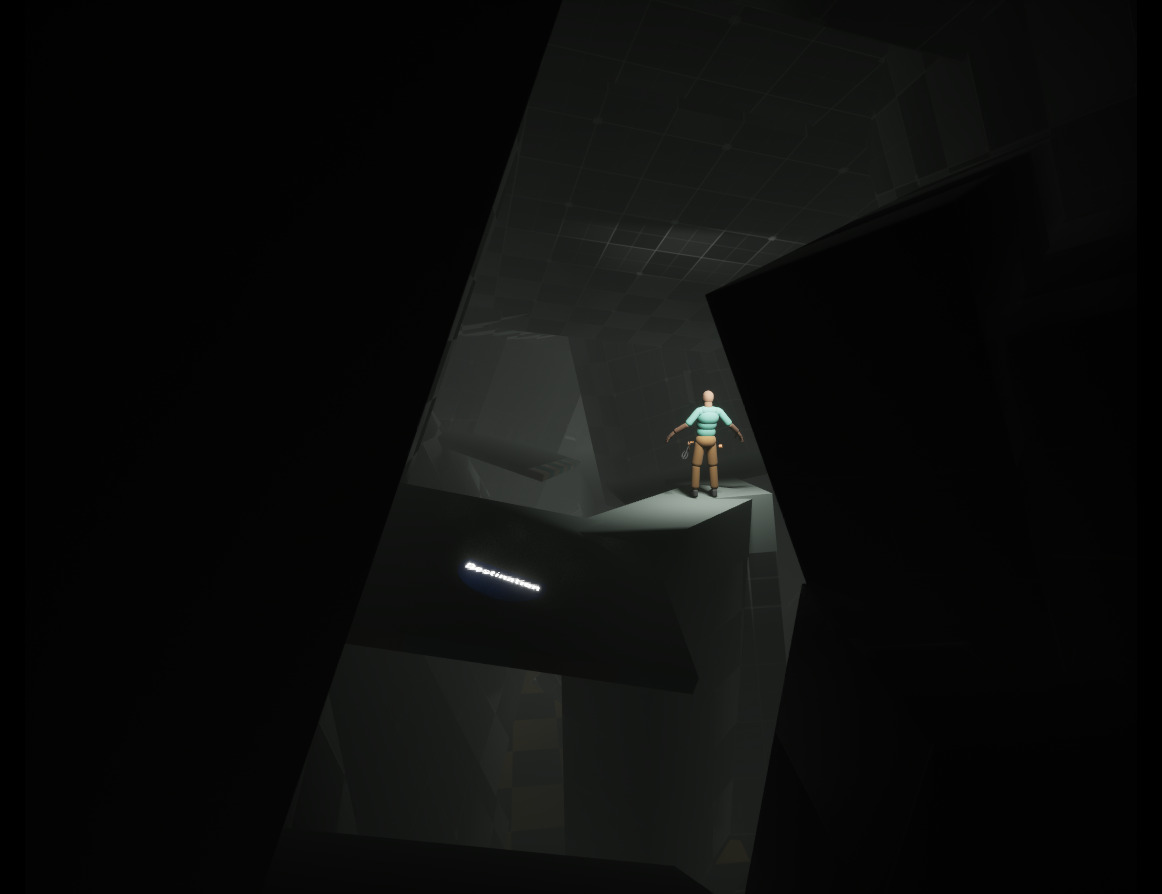
Artifact Room: Puzzle & Traversal Area
  • The puzzle room challenges the player to:

    • Navigate using familiar mechanics
    • Solve puzzles that test their skills
    • Retrieve the artifact, rewarding their progress

Walkthrough

Gameplay video highlighting level beats:

  • Beat 1: Entrance (Traversal) 0:00
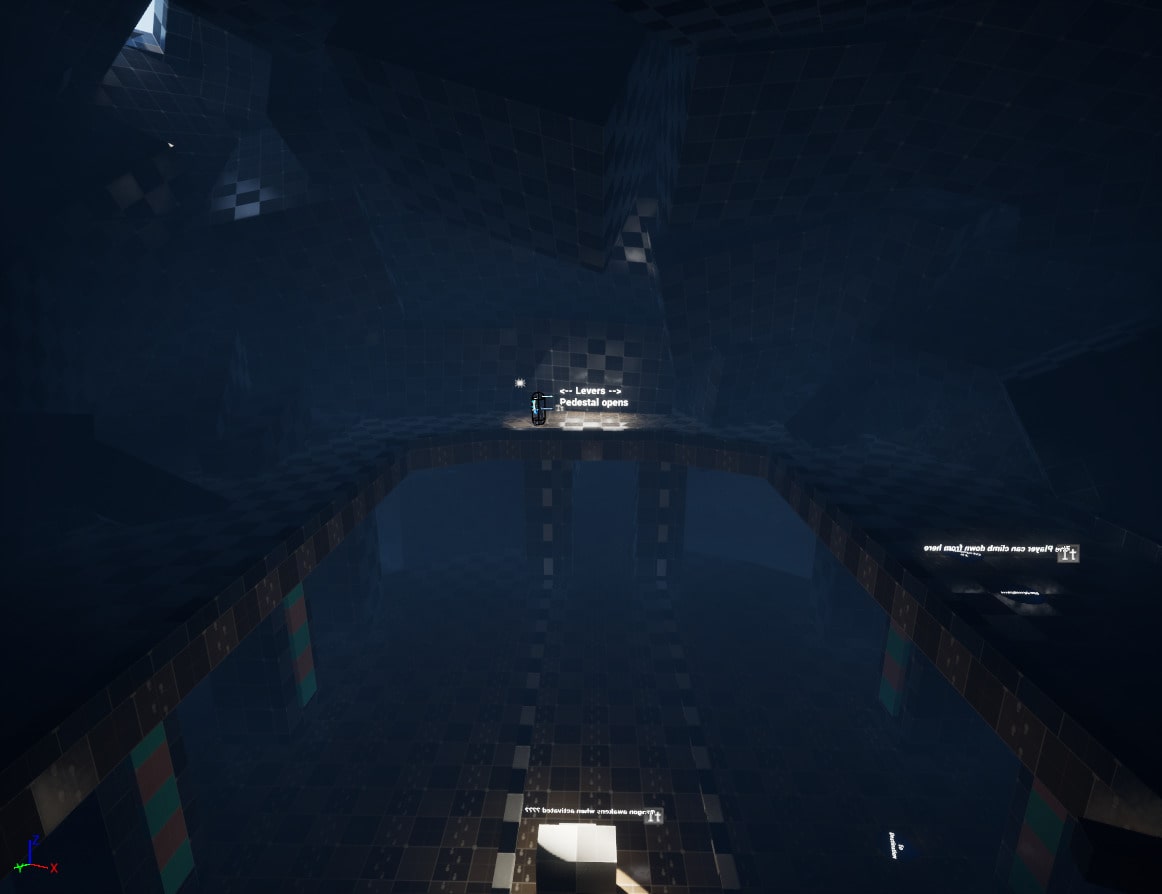
  • Beat 2: Bridge (Traversal + Puzzle) 2:13
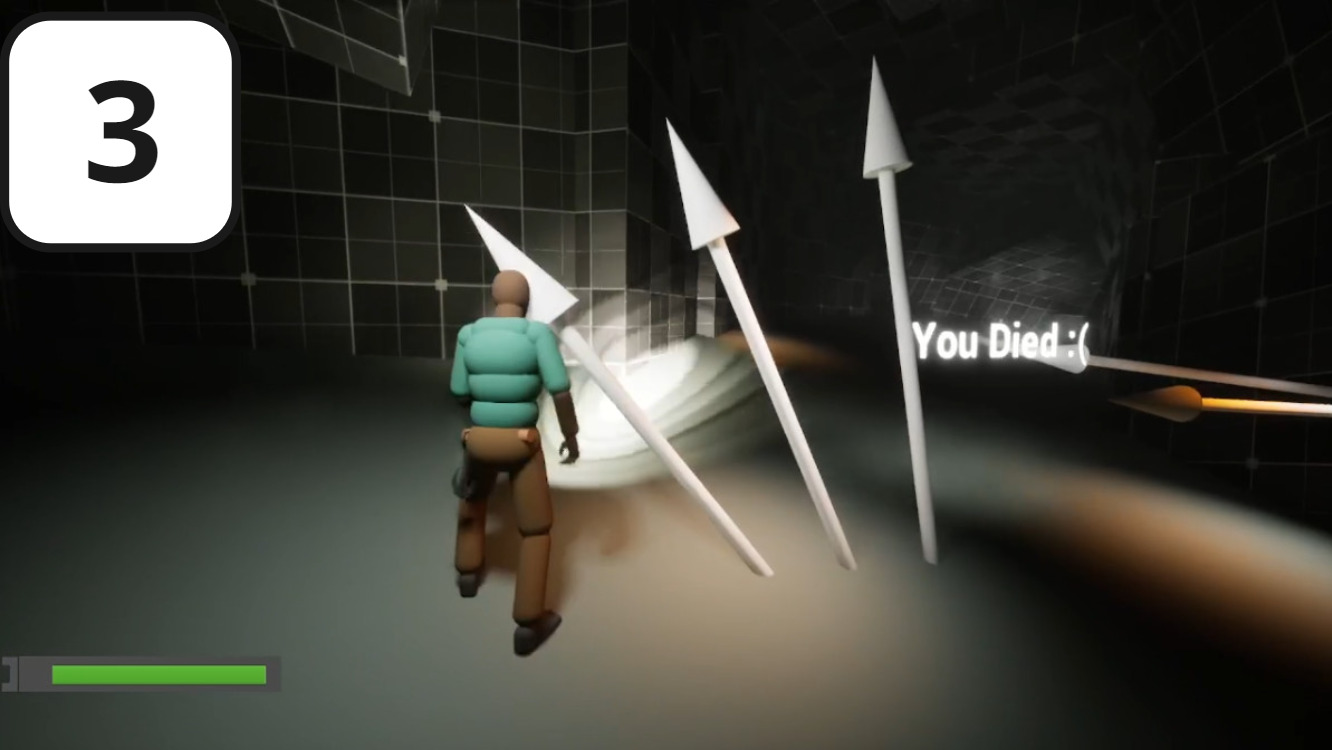
  • Beat 3: Spikes (Hazard) 5:00
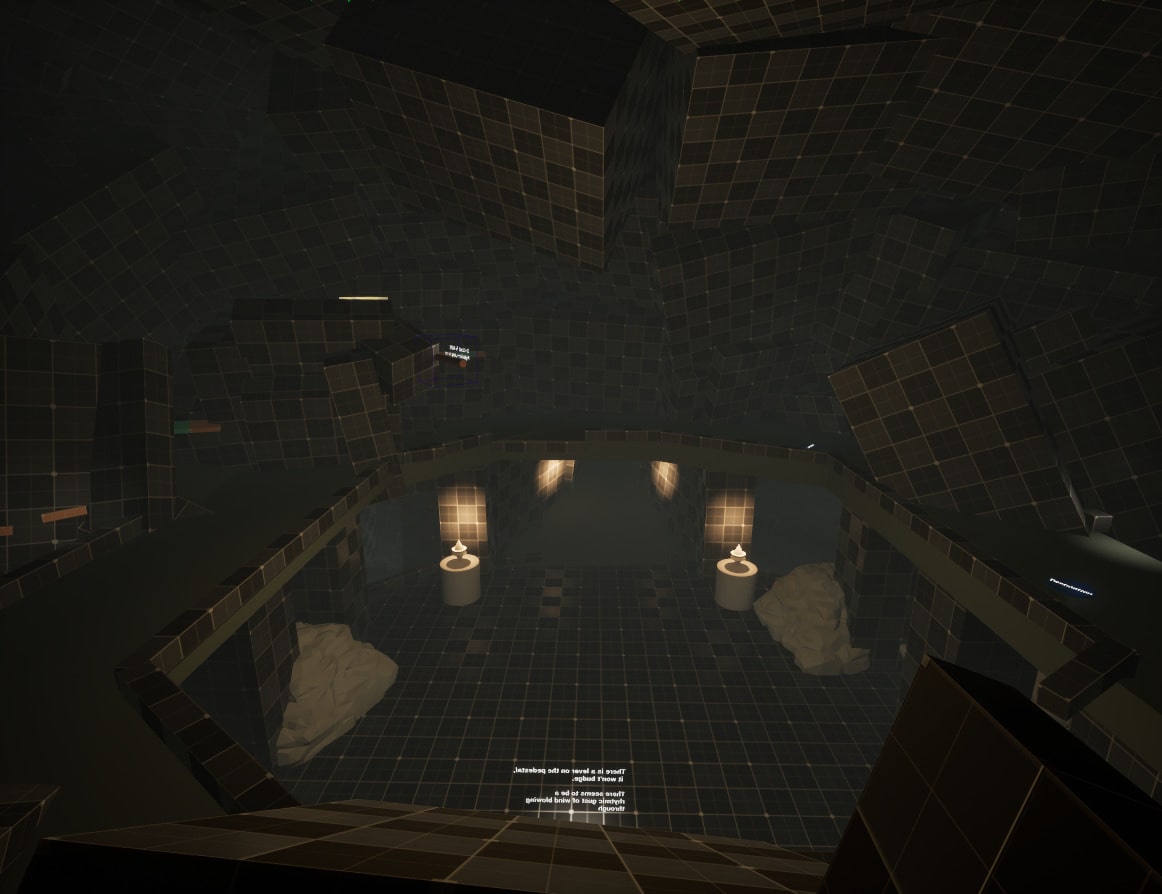
  • Beat 4: Artifact (Puzzle + Narrative + Traversal) 5:37
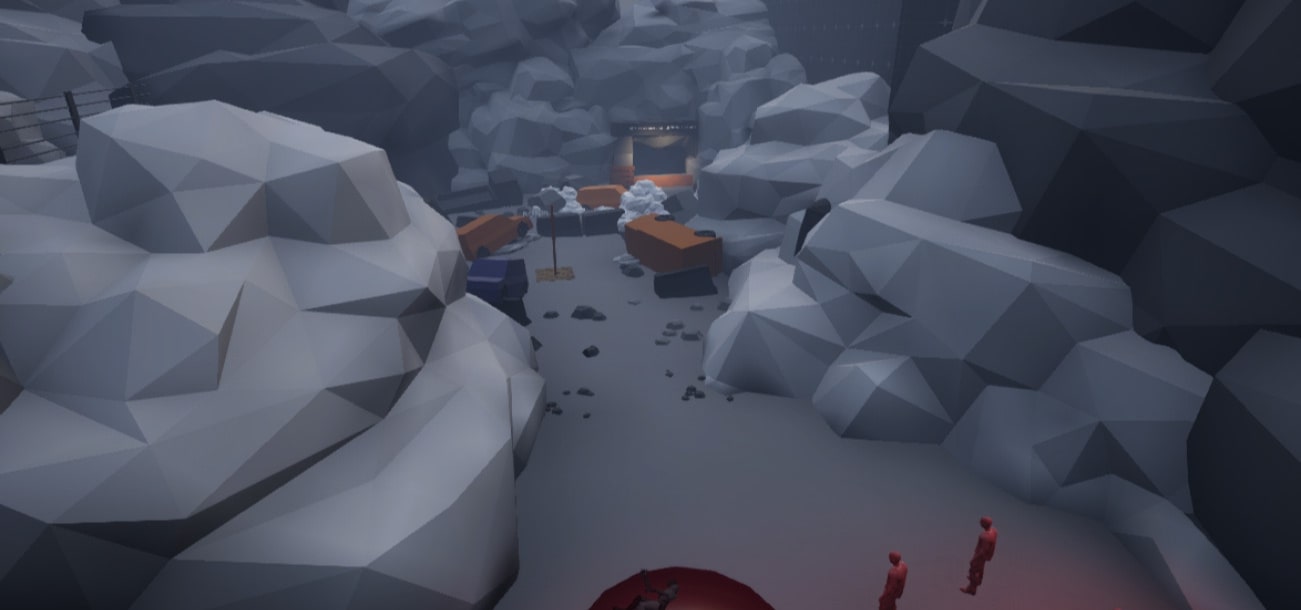
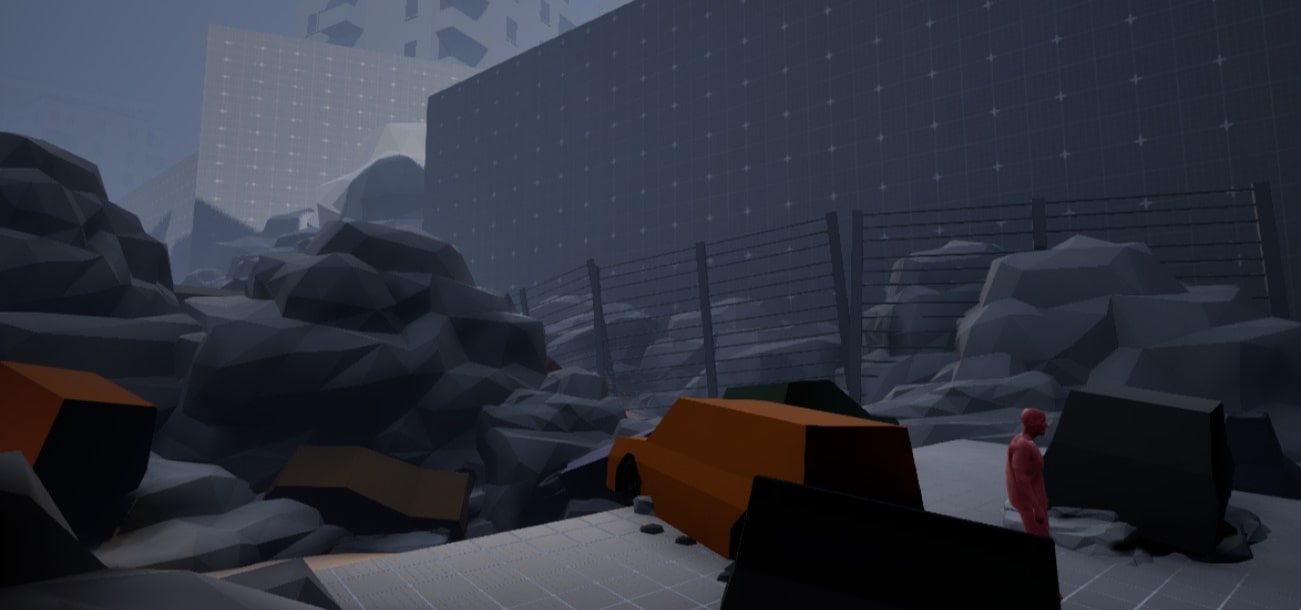
  • Beat 5: Chase (Traversal + Hazard) 8:41
  • Beat 6: Escape (Narrative) 9:52
Visual overview of level flow:
(☝️Note: skip to the timestamp in the video above to see the overview)
Visual Level Beats

Process

❗This is a full step-by-step breakdown of my raw process when building this level.❗

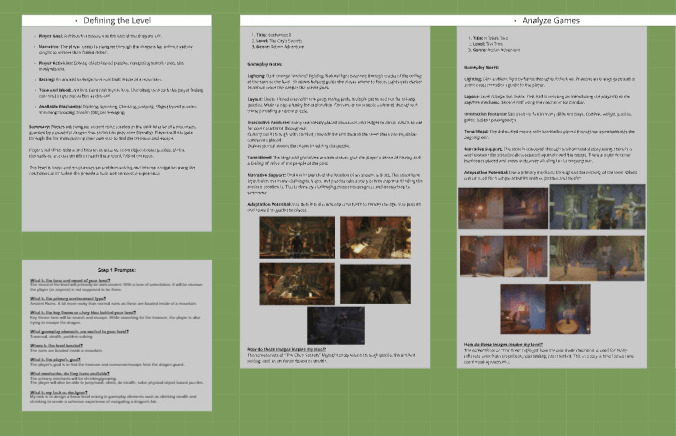
1: Research, ideation and planning

I start with a full preproduction process where the level is planned, and research is done.

  • Research the video game inspiration; Uncharted 2
  • Research other media; The Hobbit, Indiana Jones
  • Concept level overview with theme, setting, and narrative.
  • Choose gameplay mechanics
  • Research for real world references

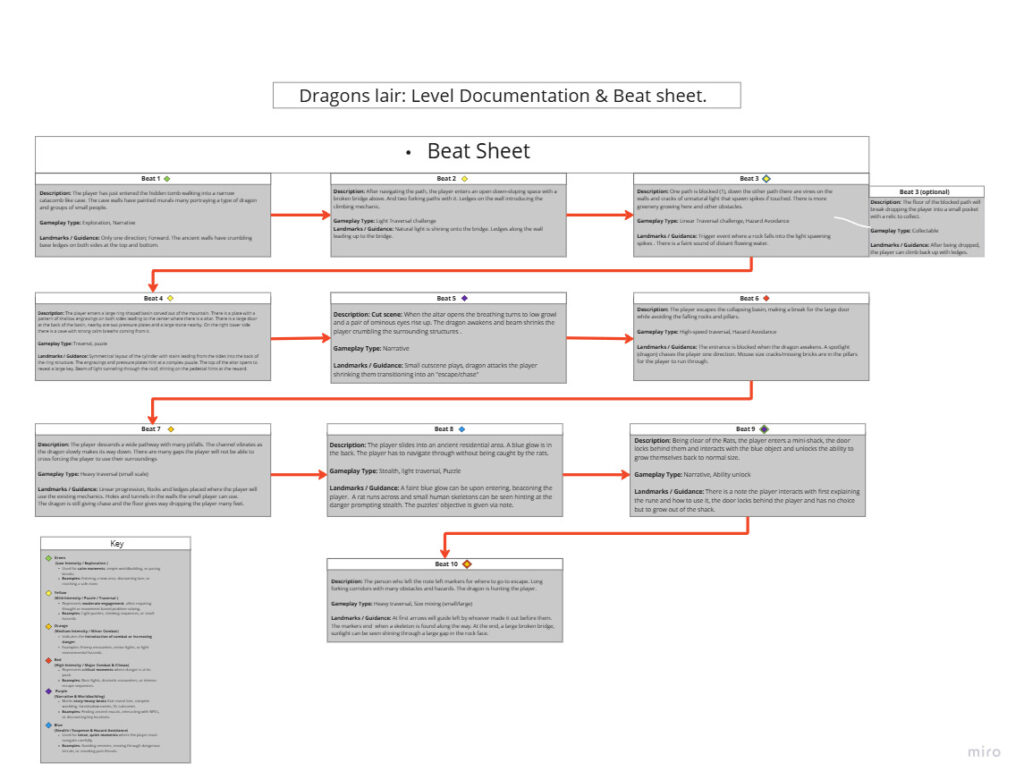
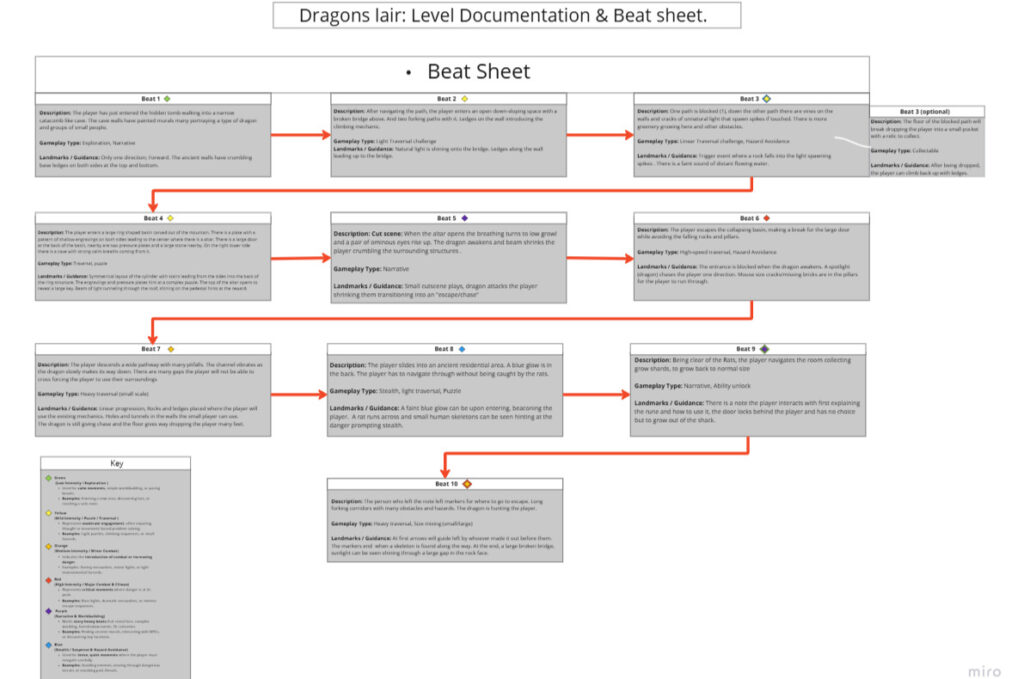
2: Mapped out beats

I created a beat sheet which changed upon receiving feedback on the flow of the level within my constraints.

Here is the first version:

  1. Player arrives at the mountain caves entrance.
  2. Player approaches the ancient bridge and solves the crossroads.
  3. Player proceeds through a narrow passage with light triggered spikes.
  4. Player arrives in the artifact room.
  5. Player wakes the dragon by claiming the artifact, dragon shrinks the player.
  6. Player escapes artifact room.
  7. Player traverses cave very small.
  8. Player (small) avoids rat enemies and collects growth gems.
  9. Player grows to normal size.
  10. Player is chased out of the cave by the dragon.

 Received feedback from:

  1. Gracie Sanabria – Colleague
  2. Eric Bey – Colleague
  3. Daniel Conde – Colleague


 Feedback:

    • Great concern for over scoping (gameplay/mechanics)
    • The level may be too long in length


     Update:

  1. Cut ambitious gameplay mechanics.
  2. Reduces level playtime to adhere within constraints.

The updated beat sheet allows me to focus on existing early mechanics and intuitively build on them.

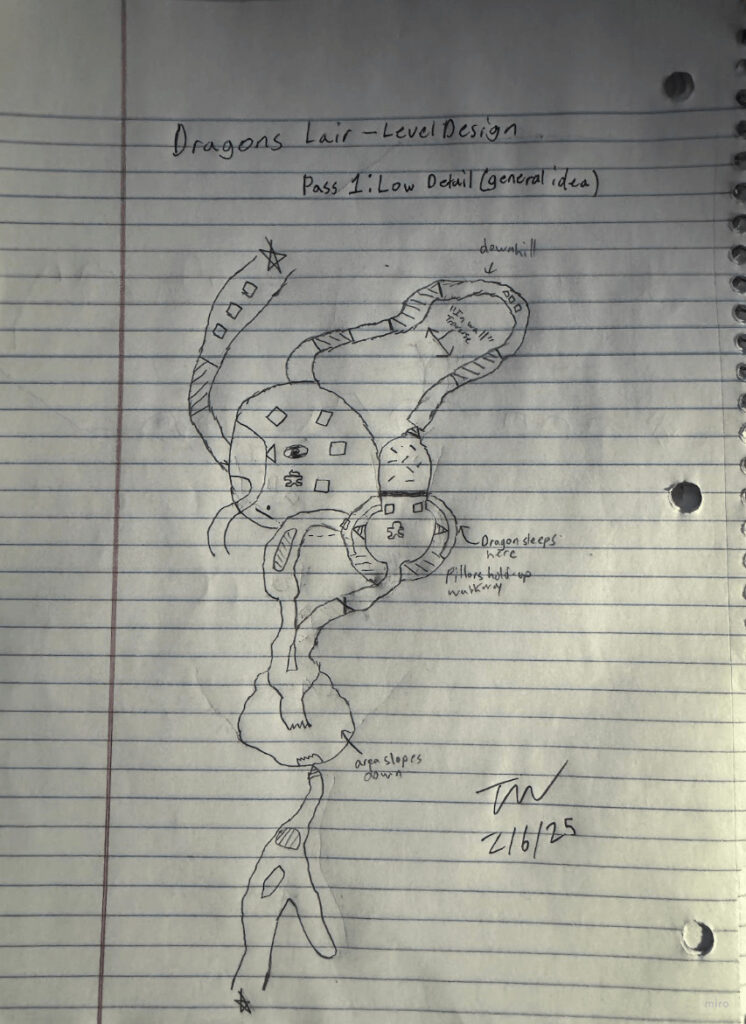
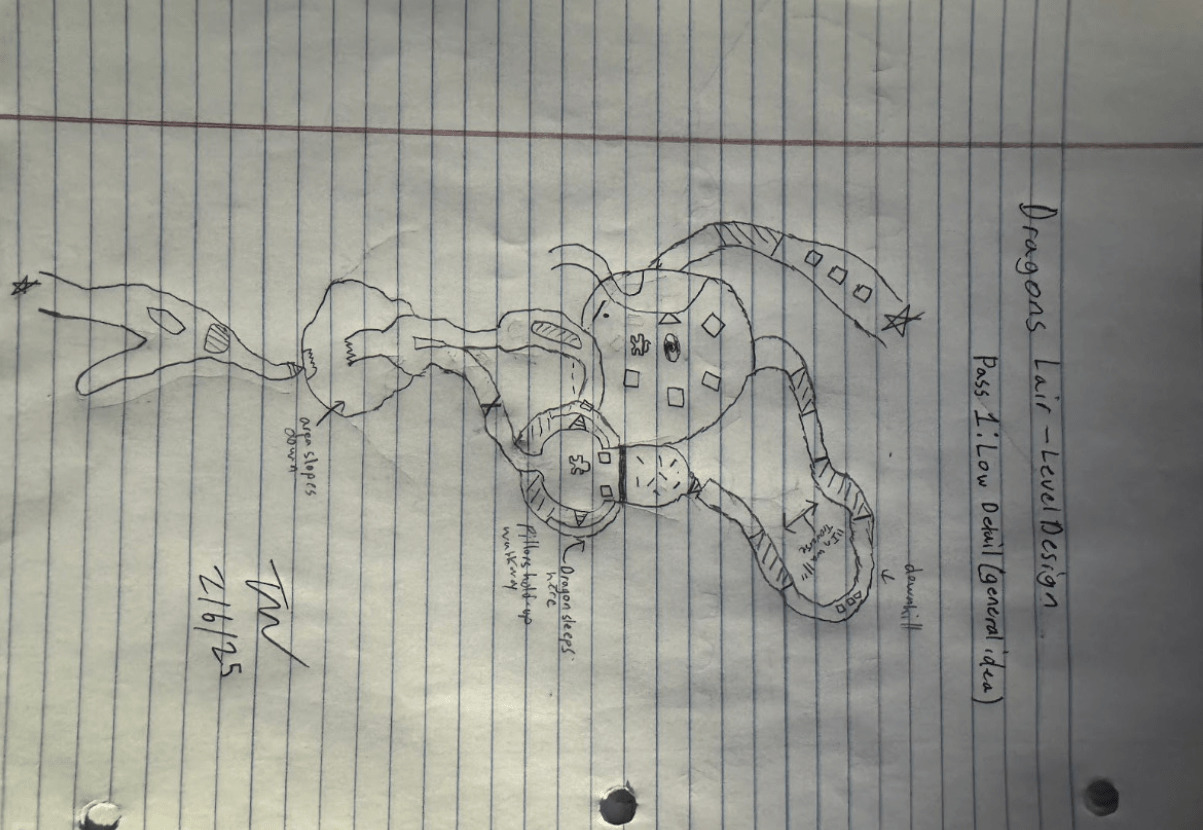
3: 2D Map

Using a simple paper sketch and beat map, I prototyped a 2D layout to:

  • Clarify level flow and structure

  • Refine pacing and key player moments

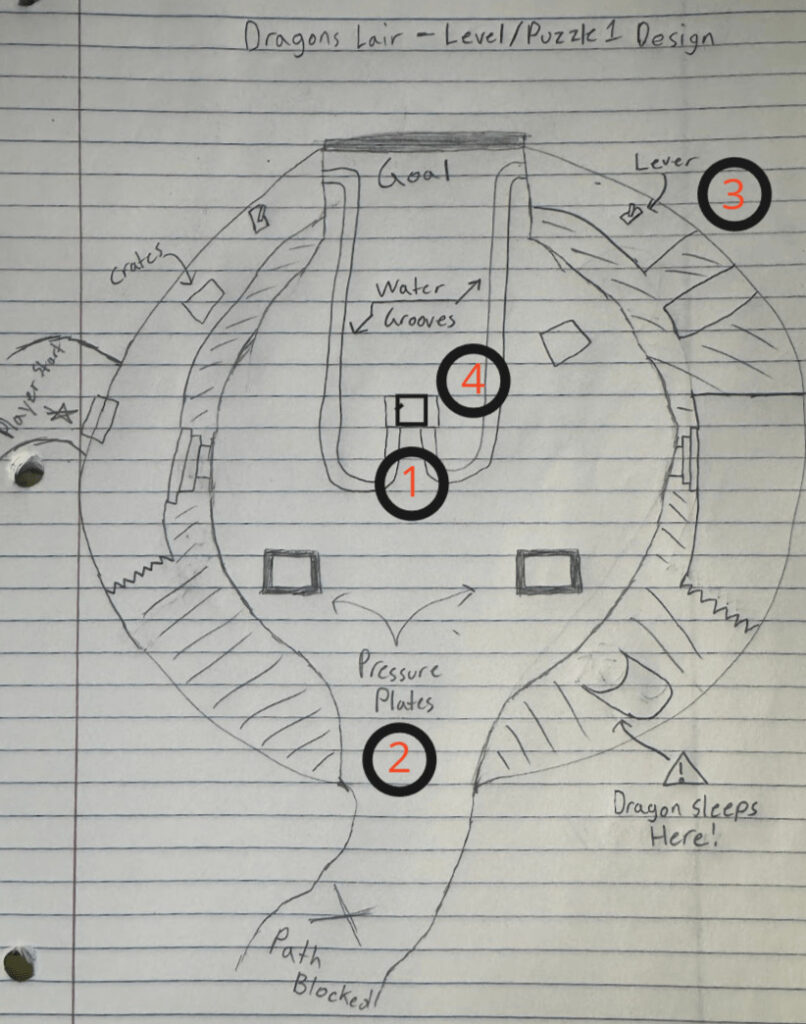
I created detailed sketches of key areas, like the puzzle room, to:

  • Design the layout around the player’s goal

  • Map out puzzle steps by working backward from the objective

4: Document the details (via LDD)

I created a level design document to record my decisions I made during preproduction.

The document includes the following:

  • Project Overview
  • Level Objectives
  • Design Principals
  • Level Beats
  • Level Layout and Structure

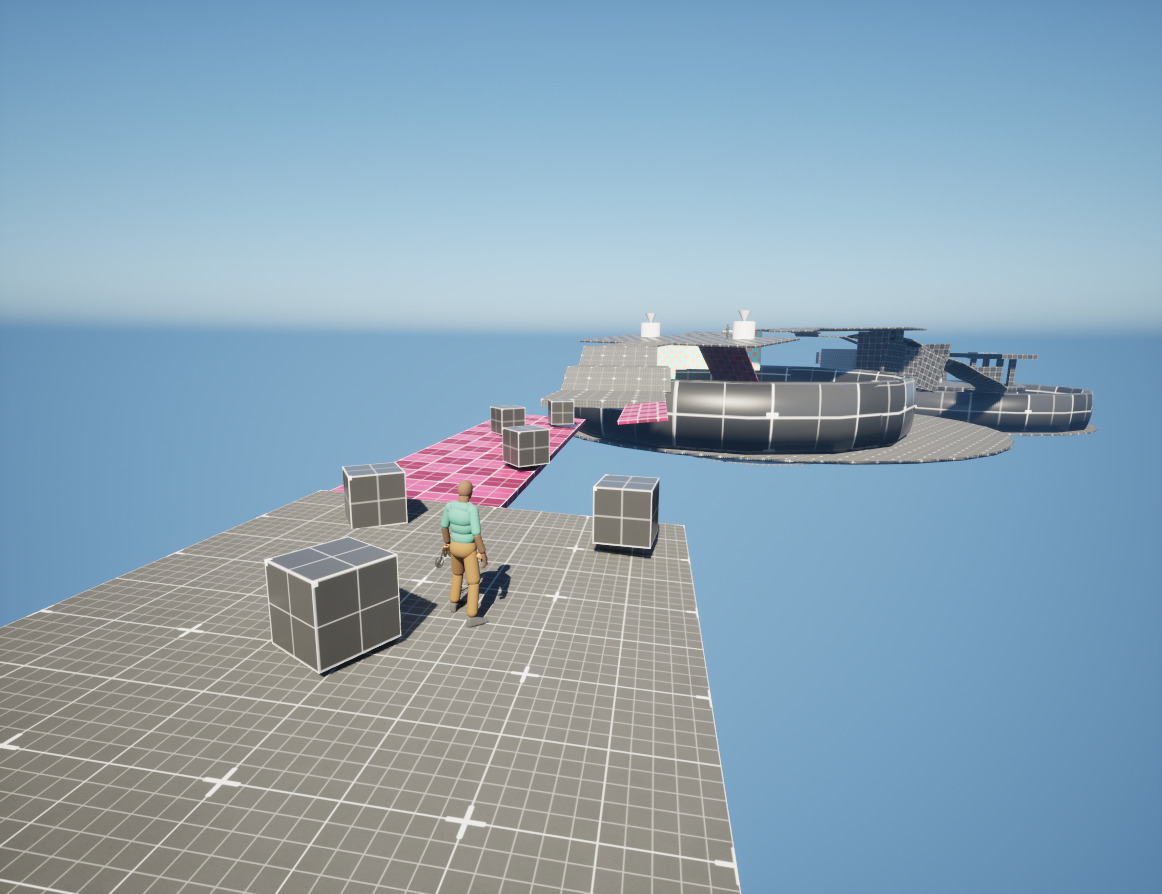
5: Create first rough layout

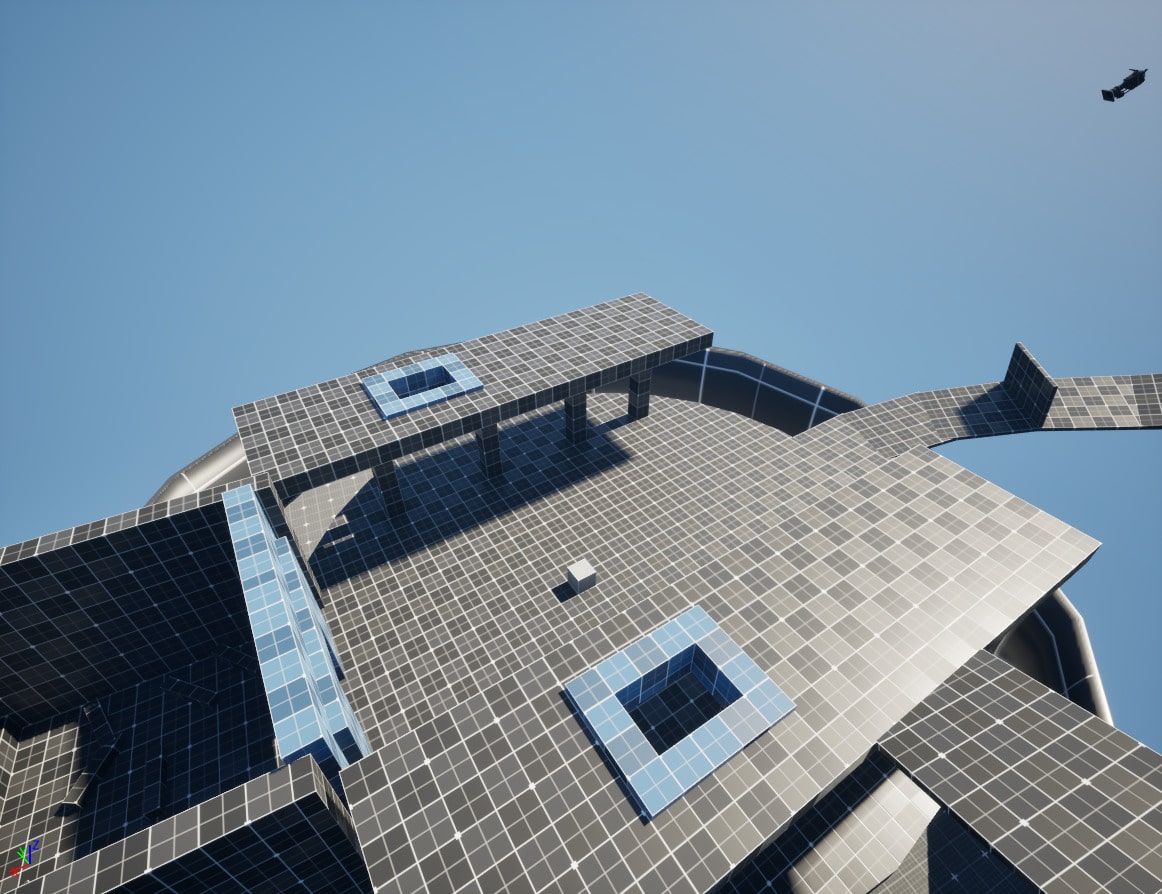
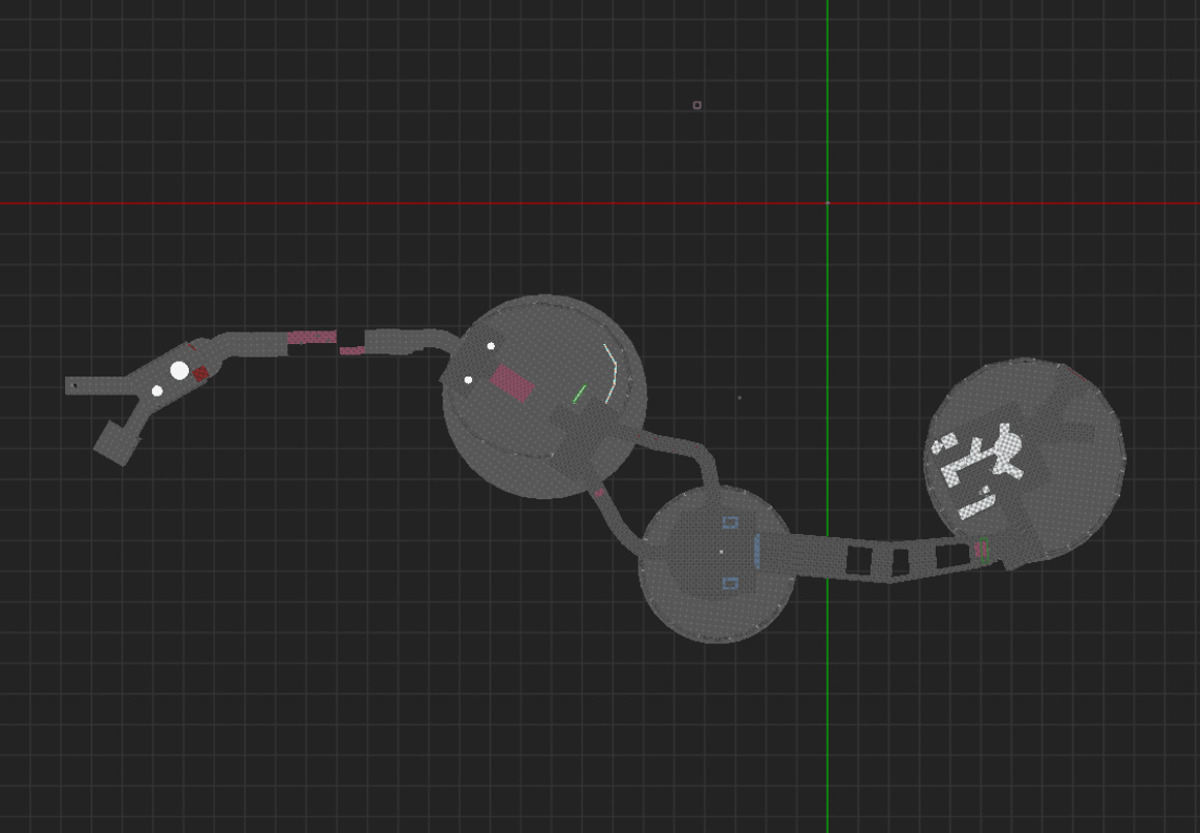
After preproduction, I start in Unreal Engine with the first step of the linear blockout to lay the groundwork translating my 2D map into the engine.

  • Quick and rough technique to overcome blank canvas at the start.
  • Helped roughly inform the walking length of the level
  • No walls/ceilings to keep simplicity
  • Pathed at desired length but not scale.

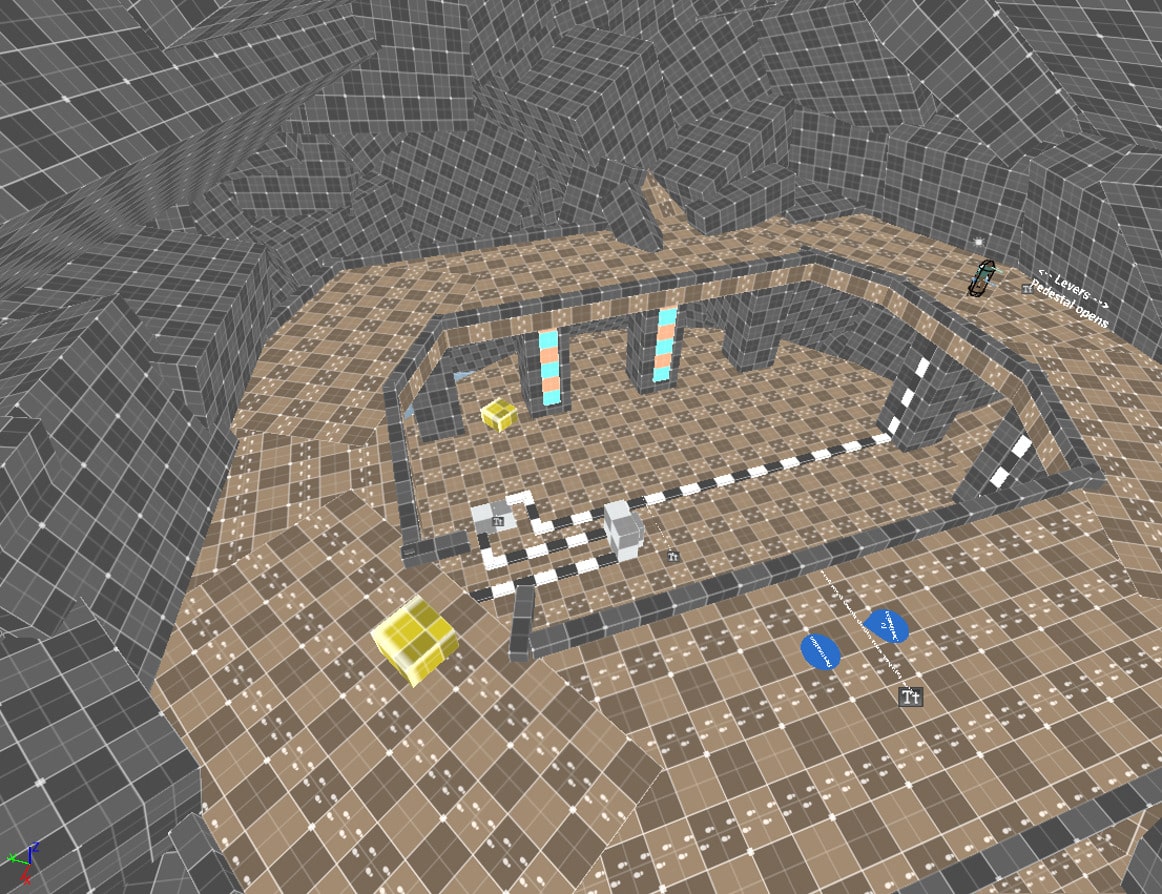
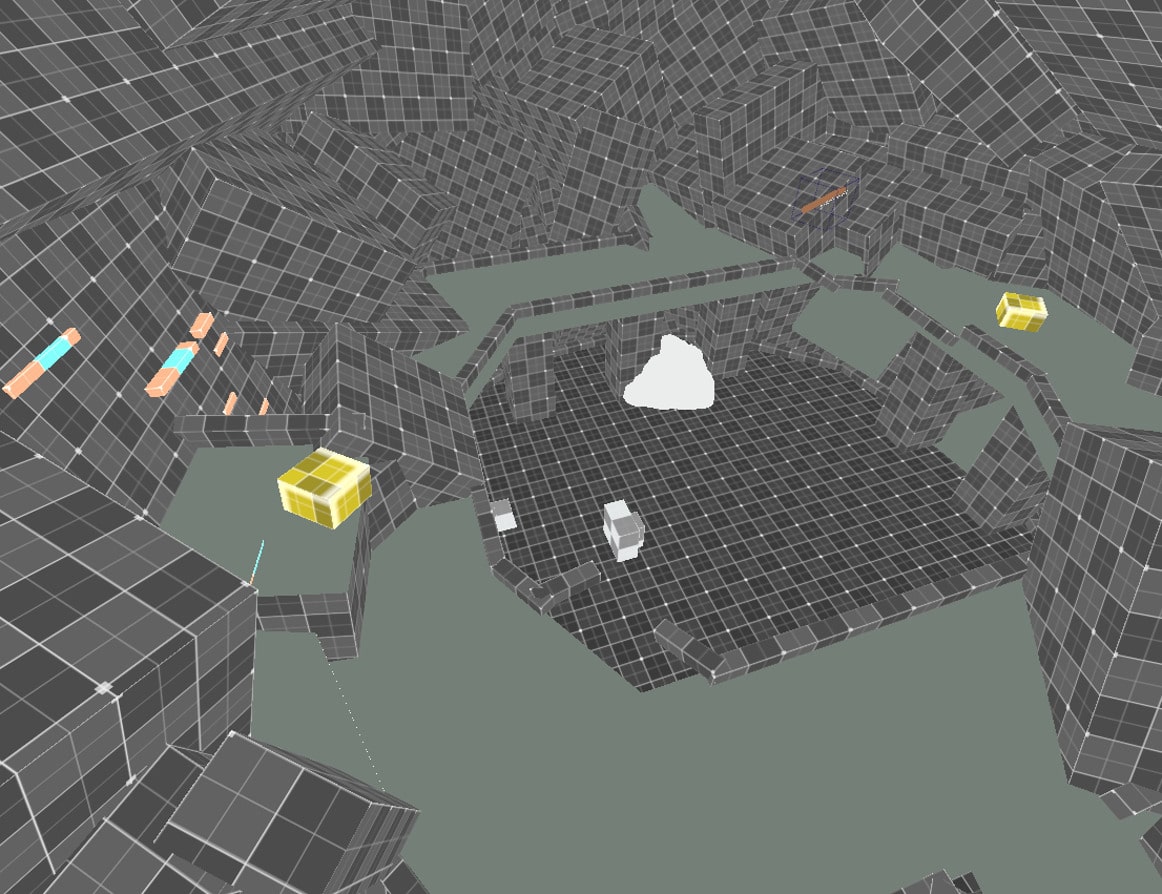
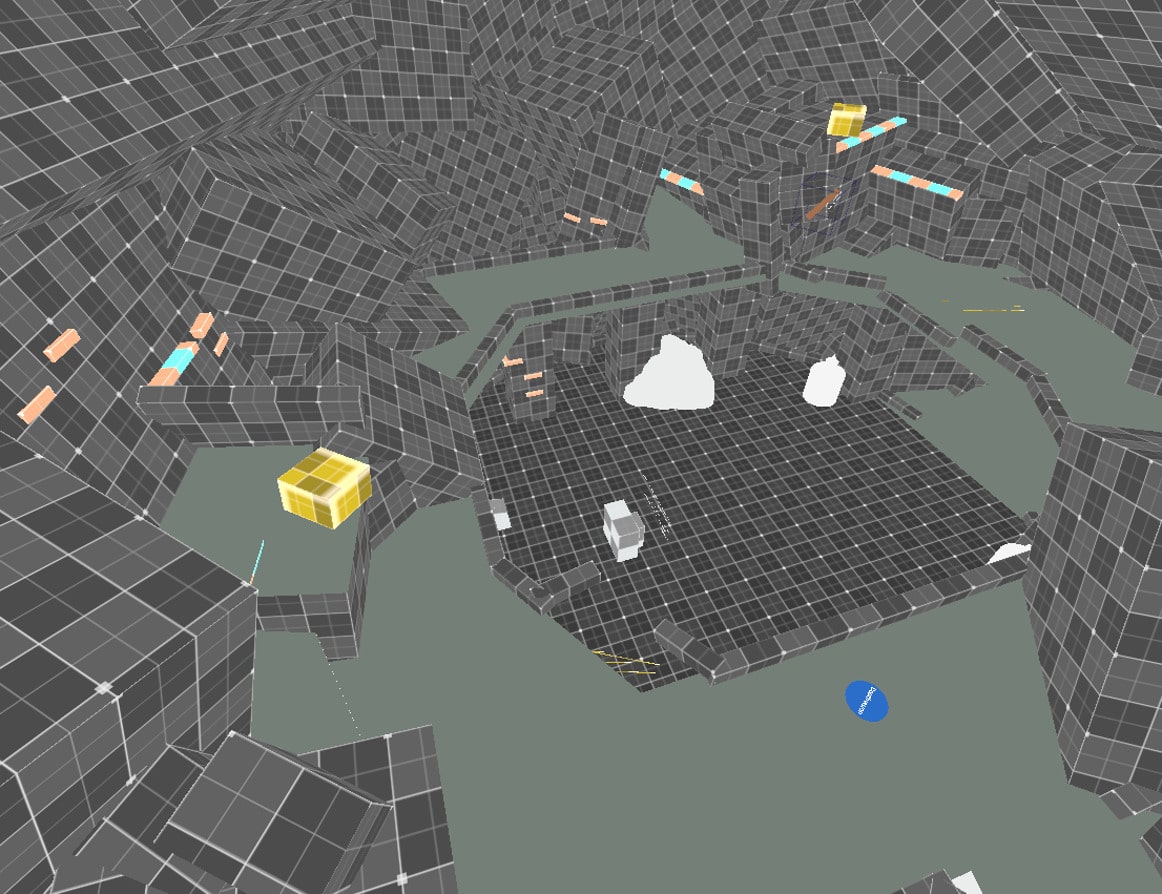
Next, I begin a gameplay layout pass keeping my design principals in mind.
  • Implemented first pass of basic gameplay spaces.
  • Added walls and ceilings to understand the cave setting.
  • Used TP pads for advanced gameplay spaces.

6: Create first rough layout

Next, I begin a gameplay layout pass keeping my design principals in mind.
  • Implemented first pass of basic gameplay spaces.
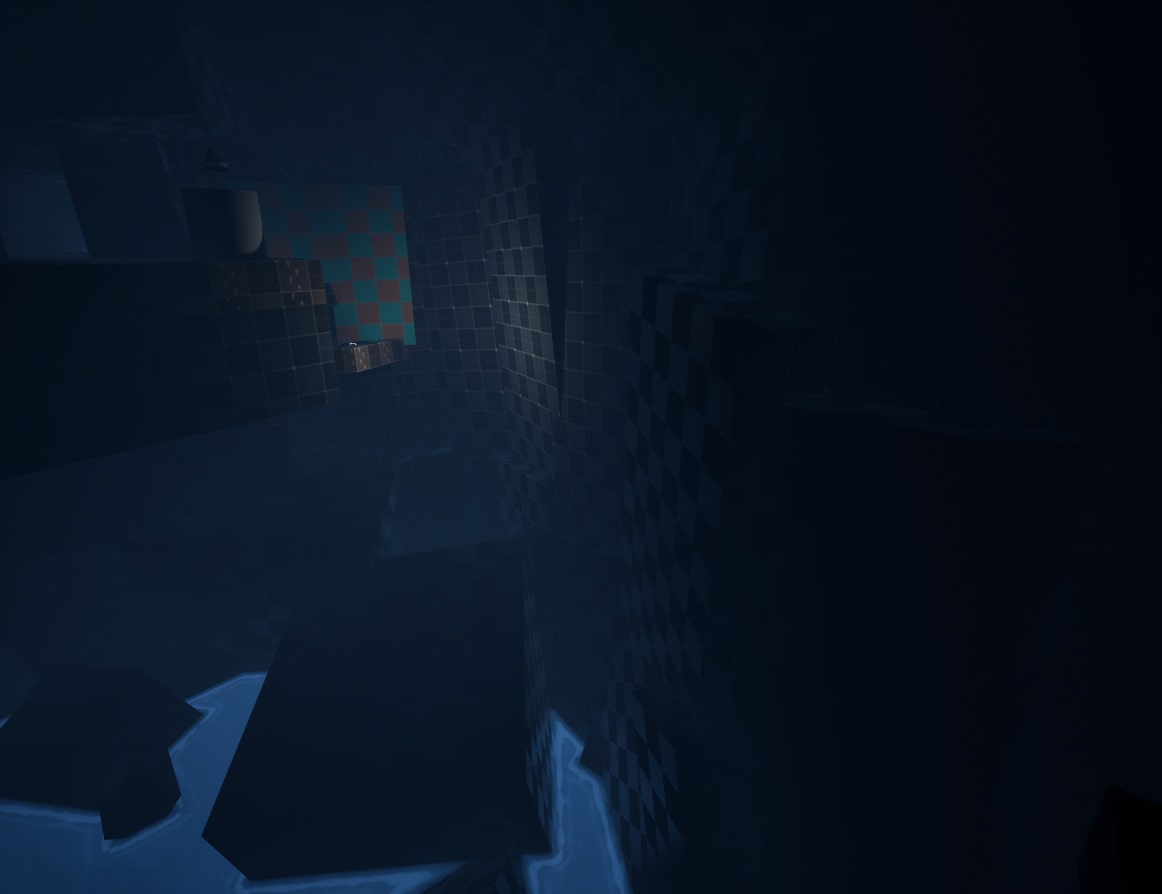
  • Added walls and ceilings to understand the cave setting.
  • Used TP pads for advanced gameplay spaces.

After preproduction, I start in Unreal Engine with the first step of the linear blockout to lay the groundwork translating my 2D map into the engine.

  • Quick and rough technique to overcome blank canvas at the start.
  • Helped roughly inform the walking length of the level
  • No walls/ceilings to keep simplicity
  • Pathed at desired length but not scale.